Agoura Hills Home Buying Guide: Neighborhoods, Prices, and Pro Tips for 2026
Navigating home buying assistance problems in Agoura Hills can be tricky. This guide breaks down the programs, costs, and pitfalls every buyer should know before making an offer.
Why Do Home Buying Assistance Problems Happen in the First Place?
Home buying assistance problems almost always trace back to three root causes: eligibility mismatches, program funding gaps, and incomplete documentation submitted at the wrong time. California offers dozens of first-time home buyer programs, but each one has its own income ceiling, purchase price limit, and property type restriction. Buyers who apply without checking all three criteria first lose weeks — sometimes months — of momentum.
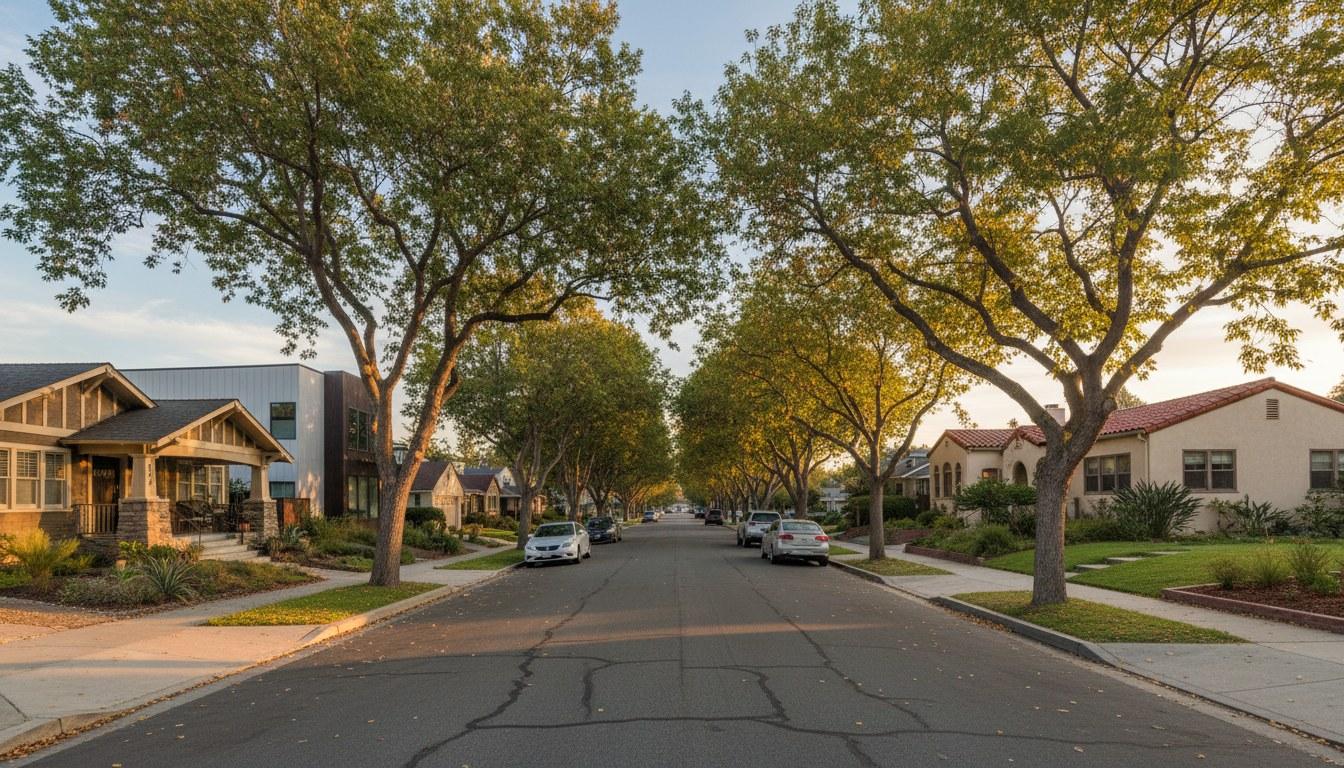
Agoura Hills sits in the western edge of Los Angeles County, adjacent to Calabasas and near the Liberty Canyon corridor. The area’s median household income and housing values place many properties right at or above the purchase price caps for entry-level state programs. That creates a specific version of the problem: buyers who qualify on income but not on price — or vice versa.
If you’re researching broader first-time buyer pitfalls across Southern California, the Home Buying Assistance Problems: What Every Buyer in Southern California Needs to Know guide covers the regional landscape in depth. This article goes deeper on the Agoura Hills market specifically and the program-matching issues unique to this price tier.
What Are the Warning Signs Your Assistance Application Is in Trouble?
Most assistance applications don’t fail all at once — they stall quietly through a series of small warning signs that buyers miss until it’s too late to fix them. Catching these early gives you time to pivot to a different program or correct the paperwork before a seller’s deadline passes.
- No written approval letter after 10 business days: Most programs issue a conditional approval or denial within 7 to 10 business days. Silence past that window usually means a document is missing or the file is stuck in review.
- Income recalculation request: If the program administrator asks you to resubmit pay stubs or tax returns, they likely found a discrepancy between your stated income and your filed returns. This can disqualify you if the recalculated number exceeds the Area Median Income (AMI) cap.
- Property type flag: Many down payment assistance programs exclude condos, townhomes, or properties on lots larger than a set acreage. Agoura Hills has a mix of single-family homes, hillside estates, and planned communities — not every property type qualifies.
- Funding exhausted notice: State programs like CalHFA’s MyHome Assistance Program pause when annual funding runs out, sometimes mid-year. A notice that the program is “temporarily unavailable” means you need a backup plan immediately.
- Purchase price over the county loan limit: For 2026, the FHA loan limit for Los Angeles County is set by HUD annually. Homes priced above that ceiling cannot use FHA-backed assistance without a jumbo loan structure, which changes the assistance math entirely.
- First-time buyer definition dispute: Many programs define “first-time buyer” as someone who has not owned a primary residence in the past 3 years. If you owned a home and sold it within that window, you may be disqualified even if you feel like a new buyer.
- Lender not approved for the program: Some assistance programs require you to use a specific list of approved lenders. If your preferred lender isn’t on that list, your application cannot proceed through that program — you must either switch lenders or switch programs.
Our team sees income recalculation flags come up in roughly 1 in 4 assistance applications we work through in this price range — almost always because the buyer used gross monthly income to estimate eligibility rather than the adjusted gross figure the program actually uses.
Income recalculation flags come up in roughly 1 in 4 assistance applications in this price range — almost always because the buyer used gross monthly income rather than the adjusted gross figure the program actually uses.
What Home Buying Assistance Programs Are Available to CA Buyers?
California buyers have access to at least 6 major assistance structures, ranging from forgivable second loans to outright grants, but each one has hard eligibility walls that vary by county, income, and profession. Understanding which structure fits your situation before you apply is the single most effective way to avoid home buying assistance problems.
CalHFA Programs
The California Housing Finance Agency (CalHFA) administers the MyHome Assistance Program, which provides a deferred-payment junior loan of up to 3.5% of the purchase price for down payment and closing costs. The loan is not forgiven — it is due when you sell, refinance, or pay off the first mortgage. Income limits apply and are set by county and household size.
CalHFA also runs the Dream For All Shared Appreciation Loan, which provides up to 20% of the purchase price. In exchange, CalHFA receives a share of the home’s appreciation when you sell. This program has historically been oversubscribed and has used a lottery system in prior years — so applying early matters.
Teacher and Public Employee Programs
California teacher home buying assistance is available through CalHFA’s School Teacher and Employee Assistance Program (CalHFA STEAP), which adds an additional junior loan on top of the base MyHome benefit. Teachers, classified school employees, and other public school workers in California can stack this with other CalHFA products. The combined assistance can reach up to 6% of the purchase price in some configurations.
Federal programs like HUD’s Good Neighbor Next Door offer 50% discounts on HUD-owned homes for teachers, law enforcement, firefighters, and EMTs — but eligible properties in the area are rare and sell quickly when listed.
Down Payment Assistance and Grants
Several Los Angeles County programs provide down payment assistance as a second loan or a grant. Grant-based programs do not require repayment, but they typically carry stricter income limits and lower purchase price caps. In high-cost markets like western Los Angeles County, grants often cover only a portion of the required down payment — buyers usually need to bring their own funds to close the gap.
| Program | Assistance Type | Max Benefit | Key Eligibility Note |
|---|---|---|---|
| CalHFA MyHome | Deferred junior loan | 3.5% of purchase price | Income limit by county AMI; first-time buyer required |
| CalHFA Dream For All | Shared appreciation loan | Up to 20% of purchase price | Lottery-based; income and first-time buyer limits apply |
| CalHFA STEAP | Deferred junior loan | Up to 3% of purchase price | Must be CA public school employee |
| HUD Good Neighbor Next Door | Purchase price discount | 50% off HUD-listed home | Teacher, law enforcement, firefighter, or EMT; HUD property required |
| LA County Down Payment Assistance | Deferred loan or grant | Varies by program cycle | Income and purchase price caps; approved lender required |
| Inflation Reduction Act Tax Credits | Federal tax credit | Varies by energy upgrade | Applies to energy improvements post-purchase; not a down payment tool |

What Does It Actually Cost to Buy a Home in Agoura Hills in 2026?
In 2026, homes in Agoura Hills typically list between $900,000 and $1.4 million for single-family properties, with entry-level condos and townhomes ranging from roughly $550,000 to $750,000. The Liberty Canyon area of Agoura Hills tends to carry prices at the higher end of that range due to larger lot sizes and proximity to open space.
At a $1 million purchase price with a conventional loan, a 5% down payment means $50,000 out of pocket before closing costs. Closing costs in California typically add another 2% to 3% of the purchase price — so a buyer should budget $70,000 to $80,000 in total upfront cash at that price point. That math is exactly why assistance programs are so sought after in this market, and why home buying assistance problems hit harder here than in lower-cost regions.
Factors That Move the Price
- Lot size and topography: Hillside lots in the Santa Monica Mountains foothills command premiums. Flat, usable lots are rarer and priced accordingly.
- School district boundary: Homes zoned to the Las Virgenes Unified School District consistently trade at a premium over comparable homes just outside the boundary.
- HOA and planned community fees: Several Agoura Hills neighborhoods carry monthly HOA fees between $200 and $600, which affects your debt-to-income ratio and therefore your loan qualification.
- Fire zone designation: Parts of Agoura Hills fall within Very High Fire Hazard Severity Zones as designated by CAL FIRE. This affects insurance costs, which lenders factor into affordability calculations.
- Property age and condition: Much of the housing stock was built between 1970 and 1995. Deferred maintenance on roofs, HVAC systems, or electrical panels can add $20,000 to $60,000 in post-purchase costs.
What a Seller Assist Means for Buyers
A seller assist — sometimes called a seller concession — is when the seller agrees to credit the buyer a set dollar amount at closing to cover part of the closing costs. In a competitive market, seller assists are harder to negotiate. In a slower market or on a property that has been sitting for 30 or more days, a seller assist of 1% to 2% of the purchase price is reasonable to request. This is not the same as a down payment assistance program — it reduces your cash-to-close but does not lower your loan amount.
What Can You Check Yourself Before Calling for Help?
Before spending time on the phone with a lender or program administrator, you can resolve many common home buying assistance problems in under an hour by working through a short checklist. These steps catch the most frequent eligibility and documentation errors before they become formal denials.
- Pull your credit reports from all three bureaus. Visit AnnualCreditReport.com and download your Equifax, Experian, and TransUnion reports. Most CalHFA programs require a minimum credit score of 660. Errors on your report can suppress your score by 20 to 50 points — dispute them before you apply.
- Calculate your debt-to-income (DTI) ratio. Add up all monthly minimum debt payments (car, student loans, credit cards) and divide by your gross monthly income. Most assistance programs cap DTI at 45%. If yours is above that, you need to pay down debt or increase income documentation before applying.
- Verify your income against the program’s AMI table. The California Department of Housing and Community Development publishes annual income limits by county and household size. Look up the current Los Angeles County table and confirm your household income falls below the program’s stated percentage of AMI — typically 80% to 120% depending on the program.
- Confirm you meet the first-time buyer definition. Check whether you have owned a primary residence at any point in the last 3 years. If you co-signed on a mortgage for someone else, verify whether that counts as ownership under the program’s rules — it sometimes does.
- Check the property address against program exclusions. Some programs exclude properties in certain zip codes, flood zones, or fire hazard zones. Run the address through the program’s property eligibility tool if one is available, or ask the lender to do it before you write an offer.
- Confirm your lender is on the approved list. Every CalHFA product requires a CalHFA-approved lender. Download the current approved lender list from CalHFA’s website and verify your lender’s name appears on it.

When Should You Call a Real Estate Professional?
Call a real estate professional when the problem involves negotiating with a seller, interpreting program rules, or coordinating multiple assistance layers at the same time — these are not tasks a buyer can safely handle alone in a competitive market. Mistakes at the offer or contract stage can cost you the home entirely, and no assistance program can fix a failed transaction.
Specific situations that require professional guidance include:
- You are trying to stack two or more assistance programs and need to confirm the layering is allowed by both programs.
- The home is in a fire hazard zone and you need help understanding how insurance costs affect your loan qualification.
- The seller has received multiple offers and you need to structure your assistance-backed offer to compete without waiving protections you need.
- You are a teacher or public employee trying to use CalHFA STEAP alongside a county program and need someone to coordinate the timeline between lenders and program administrators.
- The property is a short sale, probate sale, or REO — these transaction types have different timelines that can conflict with assistance program funding windows.
- You have been denied by one program and need to identify which alternative programs you still qualify for without restarting the entire process from scratch.
In our experience working with buyers in this price range, the most common recoverable mistake we see is a buyer who applied to a single program, got denied, and assumed no assistance was available — when in reality, 2 or 3 other programs still fit their profile. A professional familiar with the current program landscape can run that analysis in a single conversation.
Get Expert Help Buying a Home in the Region
Buying in Agoura Hills or anywhere across western Los Angeles County takes more than a pre-approval letter. You need someone who understands which assistance programs are currently funded, which lenders are approved, and how to write a competitive offer when you are working with layered financing.
Realtor David works with buyers across the region to navigate program eligibility, coordinate with lenders, and get offers accepted in a market where speed and precision matter. Whether you are a first-time buyer exploring down payment assistance, a teacher looking into California teacher home buying assistance programs, or a move-up buyer trying to understand how the numbers work at this price point, the process starts with a conversation.
Call (818) 421-2170 to schedule a no-pressure buyer consultation. Realtor David will review your situation, identify the programs you actually qualify for, and map out a realistic path to closing — without the guesswork.
Frequently Asked Questions
How do I get assistance buying a home in California if I make too much for most programs?
If your income exceeds the limits for standard CalHFA programs — which are typically capped at 80% to 120% of the Area Median Income — you may still qualify for the CalHFA Dream For All Shared Appreciation Loan, which has higher income thresholds in some counties. You can also explore seller concessions, gift funds from family, or down payment assistance offered by specific lenders outside of state programs. A buyer's agent familiar with the Agoura Hills market can help you identify which options are still open based on your actual numbers.
Is there home buying assistance specifically for teachers in California?
Yes. California teacher home buying assistance is available through CalHFA's School Teacher and Employee Assistance Program (CalHFA STEAP), which provides a deferred junior loan of up to 3% of the purchase price on top of other CalHFA benefits. Public school teachers, classified employees, and some other school staff qualify. The federal Good Neighbor Next Door program also offers 50% off HUD-owned homes for eligible teachers, though qualifying properties in the Agoura Hills area are uncommon. Realtor David can help you identify which programs are currently funded and accepting applications.
What does a seller assist mean when I'm buying a home?
A seller assist — also called a seller concession — is a credit the seller agrees to give you at closing to help cover part of your closing costs. It does not reduce your purchase price or your loan amount; it reduces the cash you need to bring to the closing table. In the Agoura Hills market, seller assists are more common on homes that have been listed for 30 or more days without offers. Your agent negotiates this as part of the purchase contract.
How do I know if a first-time home buyer grant will cover enough of my down payment in Agoura Hills?
Most grant and deferred-loan programs in California cover between 3% and 5% of the purchase price. At Agoura Hills prices — which typically range from $900,000 to $1.4 million for single-family homes — that translates to $27,000 to $70,000. Whether that covers enough depends on your loan type: FHA loans require 3.5% down, while conventional loans can require 3% to 20% depending on your credit and lender. In most cases, buyers in this market combine an assistance program with personal savings to reach the required down payment.
Why was my home buying assistance application denied even though I thought I qualified?
The most common reasons for denial are income calculated differently than the buyer expected, a purchase price above the program's cap, a property type that is excluded from the program, or a lender that is not on the program's approved list. Many buyers calculate their income using gross pay, but programs use adjusted gross income from tax returns, which is often lower — and sometimes lower enough to disqualify. If you were denied, it is worth having a real estate professional review your profile against other available programs before giving up on assistance entirely.