What Does a Home Inspection Actually Cover? What Sellers Need to Know
A home inspection examines dozens of systems and components throughout a property. This seller guide breaks down exactly what inspectors check, what they skip, and how to prepare so your sale stays on track.

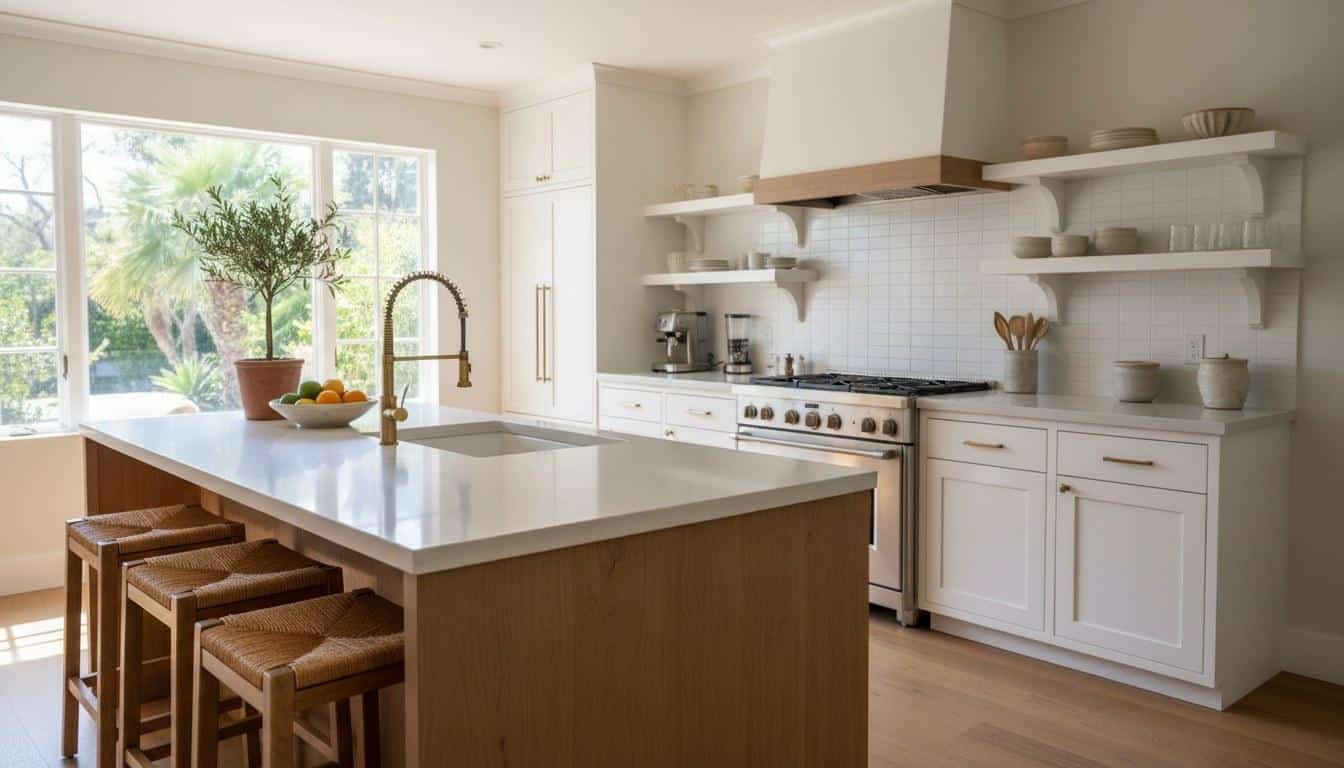
A standard home inspection covers the roof, foundation, electrical system, plumbing, HVAC, insulation, windows, and doors — essentially every major system and structural component of the home. This what does a home inspection cover seller guide is designed to help sellers across California understand exactly what an inspector will examine, what they will skip, and how to prepare your property so the process goes smoothly. Whether you are listing a gated estate in the Santa Monica Mountains or a family home in the San Fernando Valley, the same inspection standards apply.
What Does a Home Inspection Cover? The Core Systems Every Inspector Checks
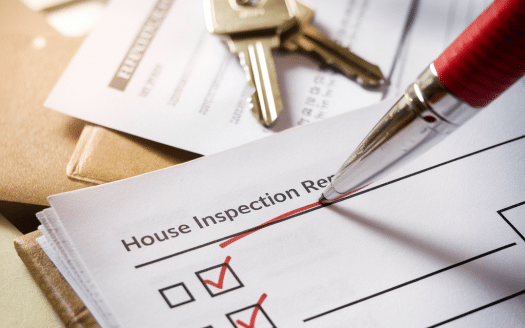
A licensed home inspector follows standards set by organizations like the American Society of Home Inspectors (ASHI) and typically examines more than 1,600 individual components across a standard single-family home. The inspection is a visual, non-invasive review — the inspector does not open walls or dig up the yard, but they will probe every accessible area.
Here is what a standard inspection covers:
- Roof: Shingles, flashing, gutters, downspouts, skylights, and visible signs of water intrusion. Inspectors note the estimated remaining life of the roofing material.
- Foundation and structure: Visible cracks, settling, water staining, and the condition of the crawl space or basement if present. In hillside or canyon properties, slope drainage is especially important.
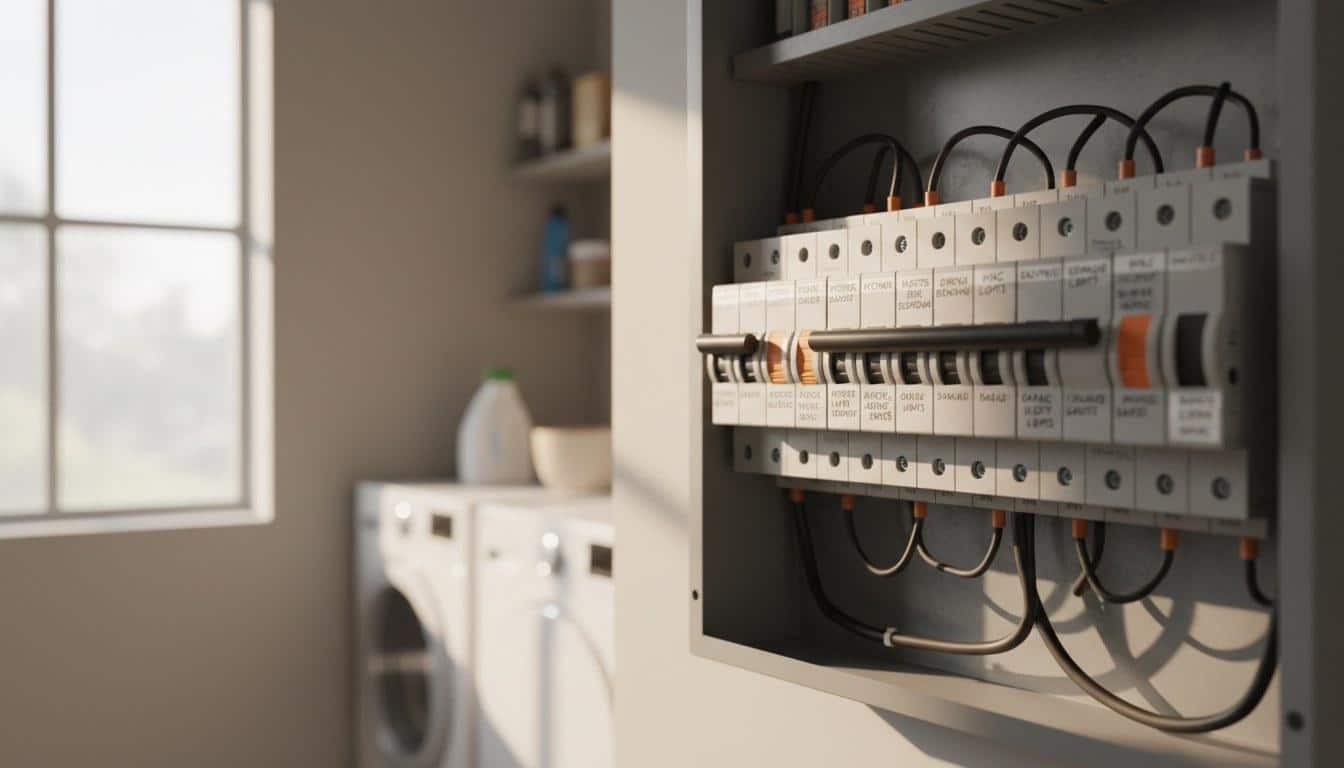
- Electrical system: Panel capacity, breaker labeling, grounding, GFCI outlets in wet areas, and visible wiring. Older homes with Federal Pacific or Zinsco panels often trigger immediate flags.
- Plumbing: Water pressure, supply lines, drain function, water heater age and condition, and visible pipe material. Galvanized or polybutylene pipes are noted as concerns.
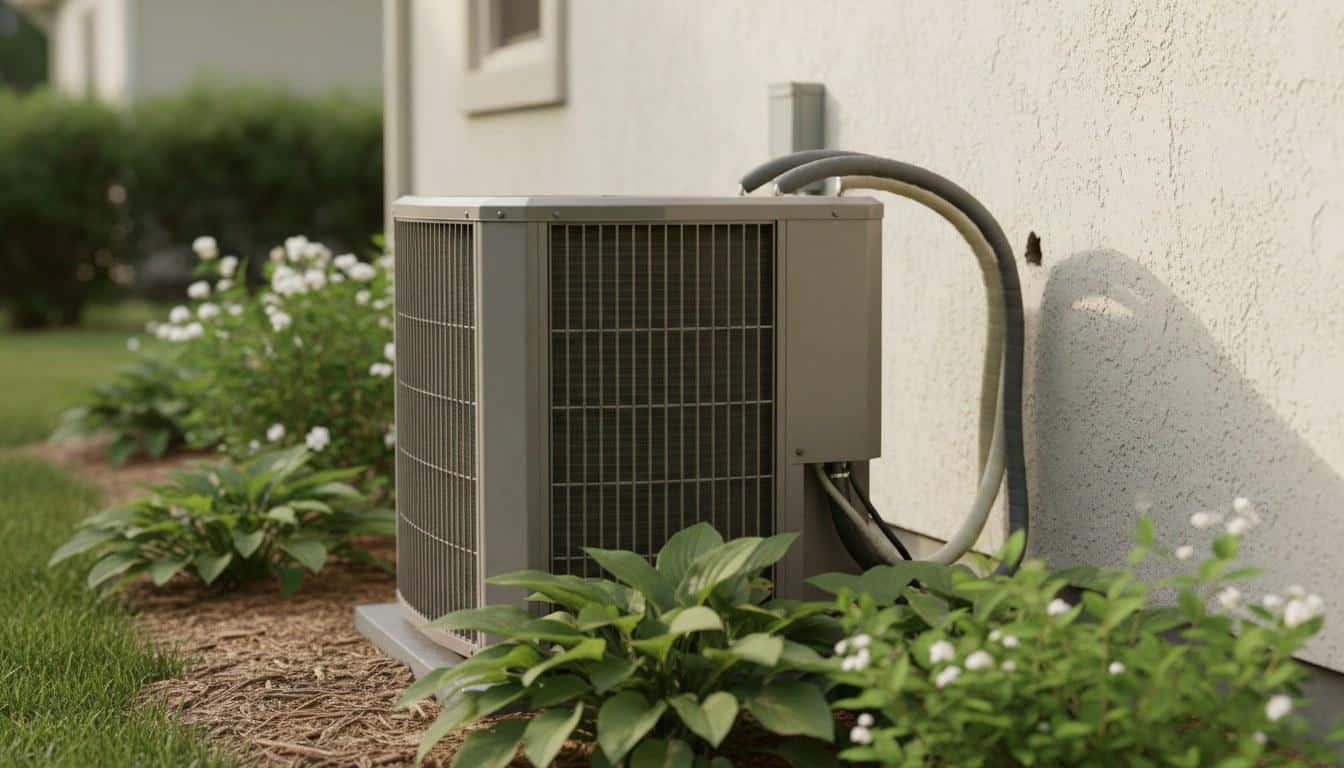
- HVAC: Heating and cooling equipment operation, filter condition, ductwork access points, thermostat function, and approximate equipment age. California’s Title 24 building energy standards require minimum efficiency levels, and inspectors often note when equipment falls below current thresholds.
- Insulation and ventilation: Attic insulation depth, soffit and ridge vent function, and signs of moisture or pest activity in the attic space.
- Windows and doors: Operation, sealing, broken seals in double-pane glass, and security hardware.
- Interior: Walls, ceilings, floors, stairs, railings, and visible signs of water damage or mold.
- Exterior: Siding, grading, retaining walls, driveways, decks, patios, and visible drainage patterns.
- Garage: Door operation, auto-reverse safety function, firewall integrity between garage and living space, and electrical outlets.
This what does a home inspection cover seller guide is most useful when you read it before you list — not after you are already in escrow.
What Do Home Inspectors NOT Inspect?
Home inspectors do not test for mold, asbestos, lead paint, radon, or underground oil tanks — those require separate specialty inspections by licensed professionals. Sellers in older homes built before 1978 should be especially aware that lead paint disclosure is required under federal law regardless of whether an inspector flags it.
Other items typically outside a standard inspection include:
- Swimming pools and spas (require a separate pool inspection)
- Septic systems (require a licensed septic company)
- Well water quality (requires lab testing)
- Chimneys beyond the visible firebox (require a Level 2 chimney inspection)
- Solar panel system performance (requires an electrical or solar specialist)
- Pest and termite activity (require a separate Wood Destroying Organism report, commonly called a WDO or termite report in California)
In California, sellers of residential property with 1 to 4 units are required to complete a Transfer Disclosure Statement (TDS), which covers known material defects. The buyer’s home inspection is separate from this legal disclosure requirement. Sellers sometimes confuse the two — they are not the same thing.
How Long Does a Home Inspection Take and What Does It Cost?
A standard home inspection on a single-family home typically takes 2 to 4 hours, depending on the size and age of the property. Larger homes — over 3,000 square feet — or properties with multiple structures, guest houses, or complex mechanical systems often run 4 to 6 hours.
In the Southern California regional market, home inspection fees generally range from $400 to $900 for a standard single-family residence. Several factors move that number:
| Factor | How It Affects Cost |
|---|---|
| Home size (square footage) | Larger homes require more inspection time and typically cost more |
| Age of the home | Older homes (pre-1980) have more systems to evaluate and may take longer |
| Number of structures | Guest houses, ADUs, or detached garages usually add to the base fee |
| Specialty add-ons | Pool inspection, sewer scope, or thermal imaging add $100–$300 each |
| Inspector experience and certification | ASHI- or InterNACHI-certified inspectors may charge a premium but provide more detailed reports |
Buyers typically pay for the inspection, but sellers who invest in a pre-listing inspection (discussed below) pay out of pocket — usually $450 to $700 in this market. Always request a custom quote from your inspector before booking, as scope and pricing vary.
What Should Sellers Do Before the Inspection?
Sellers should spend 1 to 2 weekends addressing deferred maintenance before the inspection — small fixes like replacing burned-out bulbs, tightening loose railings, and clearing attic access can prevent a long list of minor findings that make the report look worse than the home actually is.
Our team sees inspection reports across the Los Angeles County and Ventura County markets regularly, and the most common minor items that pile up on seller reports are dripping faucets, missing GFCI outlets, and HVAC filters that have not been changed in over 6 months. Each one costs under $50 to fix but looks significant when listed in a formal report.
Here is a practical pre-inspection checklist for sellers:
- Replace all burned-out light bulbs so inspectors do not flag them as electrical issues.
- Change HVAC filters and confirm the system heats and cools on command.
- Clear a 3-foot path around the water heater, electrical panel, and HVAC equipment for inspector access.
- Test all smoke detectors and carbon monoxide alarms — California requires working detectors in every sleeping area.
- Fix dripping faucets and running toilets.
- Ensure attic and crawl space access hatches are unobstructed.
- Trim vegetation away from the foundation and roof line by at least 6 inches.
- Have documentation ready for any recent repairs, permits pulled, or roof replacement dates.
Sellers in high-value communities across Los Angeles County — including gated neighborhoods and hillside properties — often have additional systems like private gates, elevators, or whole-home generators. Make sure operating instructions and service records for those systems are accessible on inspection day.
How Do Inspection Findings Affect the Sale Price?
Inspection findings can trigger renegotiation, repair requests, or buyer credits that reduce your net proceeds — typically by 1% to 3% of the sale price when significant issues are uncovered. On a $1.5 million home, that is $15,000 to $45,000 in potential renegotiation exposure.
Findings fall into three categories that affect the deal differently:
- Safety items: Electrical hazards, gas leaks, or structural failures. Buyers almost always require these to be fixed before closing. Lenders will often require it too.
- Major systems in poor condition: A roof with less than 3 years of remaining life or an HVAC system older than 20 years. These typically result in a price reduction or seller credit.
- Deferred maintenance: Peeling paint, minor drainage issues, worn caulking. These rarely kill a deal but give buyers leverage to ask for credits.
According to the National Association of Realtors, inspection issues are among the top reasons real estate contracts fall through. Sellers who know what inspectors find — and address the most critical items first — close more reliably and with fewer surprises.
Across our review of transaction records in the Southern California market, we consistently see that sellers who disclose known issues upfront and price accordingly spend less time in escrow than those who wait for the buyer’s inspector to surface problems.
Sellers who disclose known issues upfront and price accordingly spend less time in escrow than those who wait for the buyer's inspector to surface problems.
Should Sellers Get a Pre-Listing Inspection?
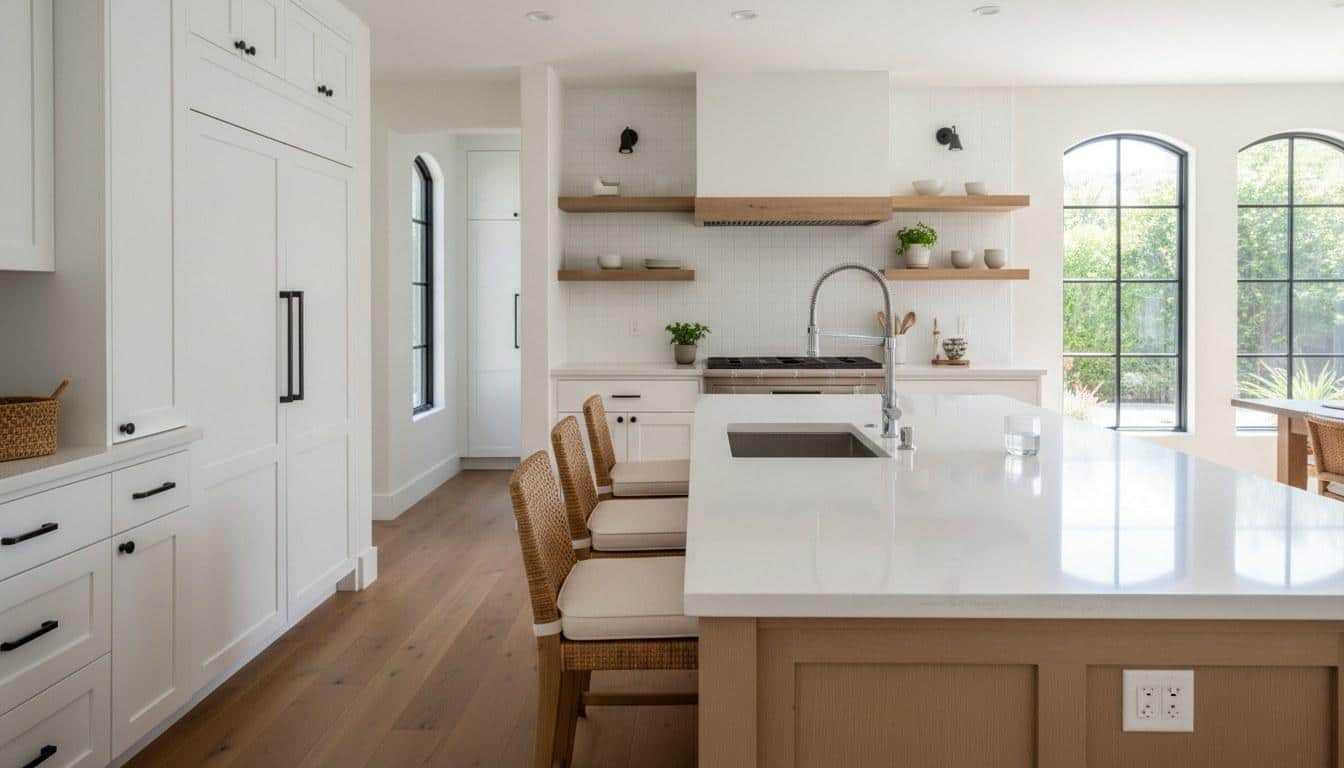
A pre-listing inspection is a smart move for most sellers, especially on homes older than 20 years or properties that have not been updated in a decade or more. You hire an inspector before you list, review the findings privately, and decide what to fix, disclose, or price around — all on your own timeline instead of under escrow pressure.
The advantages for sellers are real:
- You control the repair process and can get competitive bids instead of accepting a buyer’s inflated credit demand.
- You avoid the shock of a bad inspection report surfacing mid-escrow when buyers have maximum leverage.
- A clean or well-documented pre-listing report can be a marketing asset — it signals transparency and confidence in the property.
- You reduce the chance of a deal falling apart after 30+ days in escrow, which can stigmatize a listing in the eyes of future buyers.
One important note: in California, if a seller conducts a pre-listing inspection, the findings become part of what the seller knows about the property. Known material defects must be disclosed on the Transfer Disclosure Statement. A pre-listing inspection is not a way to hide problems — it is a way to get ahead of them strategically.
A pre-listing inspection is not a way to hide problems — it is a way to get ahead of them strategically.
This is especially relevant for distinctive properties — think large estates, hillside homes, or older custom builds — where deferred maintenance on complex systems can surface as a long list of findings that overwhelms buyers who are not prepared for it.
Work With a Realtor Who Understands Property Inspection Oversight
Sellers who have an experienced agent guiding them through the inspection process close faster and with fewer concessions. Property inspection oversight means more than just scheduling the appointment — it means knowing which findings are deal-breakers, which are negotiating points, and which can be safely disclosed and priced around.
Realtor David works with sellers across Los Angeles County and surrounding communities in California, helping clients prepare their homes before listing, interpret inspection reports, and negotiate repair requests without losing buyers or leaving money on the table. Call (818) 421-2170 to schedule a consultation and get a clear plan for your sale from the start.
Frequently Asked Questions
What does a home inspection cover that sellers should worry about most?
Sellers should focus most on the roof, electrical panel, HVAC system, and foundation — these are the four areas that most often trigger buyer repair requests or price renegotiations. Safety-related findings, like faulty wiring or gas issues, are the most likely to stall or kill a deal entirely. Addressing these before listing puts sellers in a much stronger position.
Does a seller have to fix everything the home inspector finds?
No — sellers are not legally required to fix every item on an inspection report. What matters is proper disclosure of known material defects under California law. Sellers can choose to repair items, offer a buyer credit, or adjust the price to reflect the home's condition. Your agent can help you decide which approach makes the most financial sense.
How do I prepare my house for a home inspection as a seller?
Replace burned-out bulbs, change HVAC filters, fix dripping faucets, and clear access to the electrical panel, water heater, attic, and crawl space. Test smoke and carbon monoxide detectors — California requires working detectors in every sleeping area. These small steps prevent a long list of minor findings that can make a report look worse than the home actually is.
Is a pre-listing home inspection worth it for sellers in California?
For most sellers, especially on homes older than 20 years, a pre-listing inspection is worth the $450 to $700 cost. It lets you find and fix problems on your own timeline, avoid mid-escrow surprises, and negotiate from a position of strength. Keep in mind that in California, findings from a pre-listing inspection must be disclosed to buyers as part of the Transfer Disclosure Statement.
Can a home inspection kill a sale in California?
Yes — inspection issues are among the most common reasons California real estate contracts fall through, particularly when major structural, electrical, or safety problems surface unexpectedly. Sellers who prepare ahead of time, disclose known issues, and work with an experienced agent to manage the inspection process significantly reduce this risk.