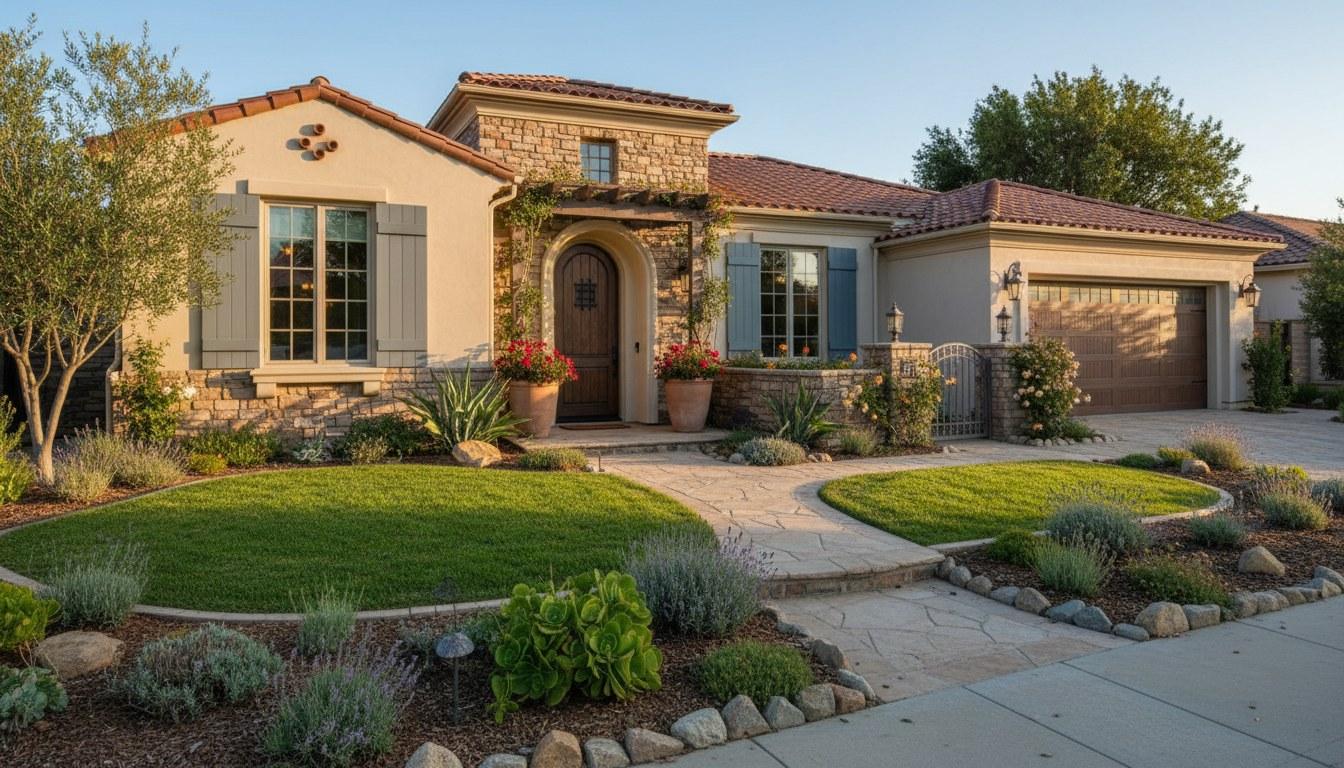
How to Prepare for a Home Inspection as a Seller: A 2026 Guide
Knowing how to prepare for a home inspection as a seller can protect your deal and your bottom line. This 2026 guide covers every room, system, and common mistake to avoid.

Why Does Seller Preparation Matter for a Home Inspection?
A well-prepared home inspection gives buyers confidence and keeps your deal from unraveling at the finish line. Sellers who skip preparation often face repair credits, price reductions, or buyers walking away entirely. In California’s active summer market, where multiple-offer situations are common, a clean inspection report is one of the strongest signals a seller can send.
Sellers who skip preparation often face repair credits, price reductions, or buyers walking away entirely.
Home inspections are a standard contingency in almost every residential purchase contract in CA. The buyer hires an inspector — typically a California Real Estate Inspection Association (CREIA)-certified professional — who spends 2 to 4 hours walking every accessible area of the property. Their written report goes directly to the buyer and their agent. Anything flagged can become a renegotiation point.
Preparation does not mean hiding problems. It means fixing the small, inexpensive issues that make a home look poorly maintained, and giving the inspector clear, unobstructed access to every system. That combination consistently produces shorter, cleaner reports.
How to Prepare for a Home Inspection as a Seller in 2026: A Room-by-Room Checklist
Knowing how to prepare for a home inspection as a seller in 2026 starts with a systematic walkthrough of every room and every major system before the inspector arrives. Use the checklist below as your pre-inspection to-do list.

Exterior and Roof
- Gutters and downspouts: Clear debris and make sure downspouts direct water away from the foundation — at least 6 feet is the general standard.
- Roof visible damage: Replace missing or curled shingles. Inspectors flag these as potential leak sources, and buyers treat roof items as high-cost concerns.
- Grading and drainage: Soil should slope away from the foundation. Negative grading is one of the most commonly cited exterior defects in CA inspection reports.
- Deck and patio: Tighten loose railings, replace rotted boards, and confirm that deck ledger bolts are present and secure.
- Garage door: Test the auto-reverse safety feature. California building codes require this safety mechanism, and inspectors check it on every visit.
Electrical
- Panel labeling: Every breaker should be labeled. An unlabeled panel is a common inspection flag.
- GFCI outlets: Ground-fault circuit interrupter outlets are required within 6 feet of water sources — kitchens, bathrooms, garages, and outdoor receptacles. Test each one with the test/reset button.
- Exposed wiring: Cover any open junction boxes and secure loose wiring in the attic or crawl space.
- Smoke and CO detectors: California law requires working smoke detectors in every bedroom and on every level. Carbon monoxide detectors are required within 15 feet of sleeping areas under California Health and Safety Code Section 17926.
Plumbing
- Leaks under sinks: Check every cabinet under a sink for moisture, staining, or active drips and repair before inspection day.
- Water heater: Confirm the temperature-pressure relief (TPR) valve has a drain line that terminates near the floor, and that the unit is strapped for seismic safety — a California requirement for all water heaters.
- Slow drains: Clear hair and debris from all bathroom drains. Inspectors run every faucet and will note slow drainage.
- Toilet stability: A rocking toilet suggests a failing wax ring. This is a simple, inexpensive fix that looks far worse in a report than it is.
HVAC
- Filter replacement: Install a fresh air filter. A clogged filter signals poor maintenance and can affect system performance during the inspection.
- Service records: Leave HVAC service records on the unit or in a visible folder. Systems with documented annual service consistently receive fewer flags.
- Thermostat function: Test heating and cooling modes before inspection day. Inspectors run both cycles.
Interior and Attic
- Attic access: Clear any storage blocking the attic hatch. Inspectors must be able to enter and photograph the space.
- Crawl space access: Remove stored items from crawl space entry points and ensure adequate lighting if possible.
- Windows and doors: Repair broken seals (fogged double-pane glass), sticky doors, and windows that do not lock. These are minor but add up in a report.
- Water stains: Address the source of any ceiling or wall stains and repaint. Unexplained stains raise moisture concerns that buyers amplify in their minds.
What Do Home Inspectors Actually Look For?
Home inspectors evaluate the condition of every visible, accessible system and structural component — not cosmetic finishes. Their scope is defined by the American Society of Home Inspectors (ASHI) Standards of Practice, which covers roofing, foundation, electrical, plumbing, HVAC, insulation, and interior components.
Inspectors do not move furniture, cut into walls, or operate systems that are shut off. This is why sellers must have all utilities — gas, water, and electricity — fully active on inspection day. A system that cannot be tested gets flagged as “unable to evaluate,” which creates uncertainty for buyers.
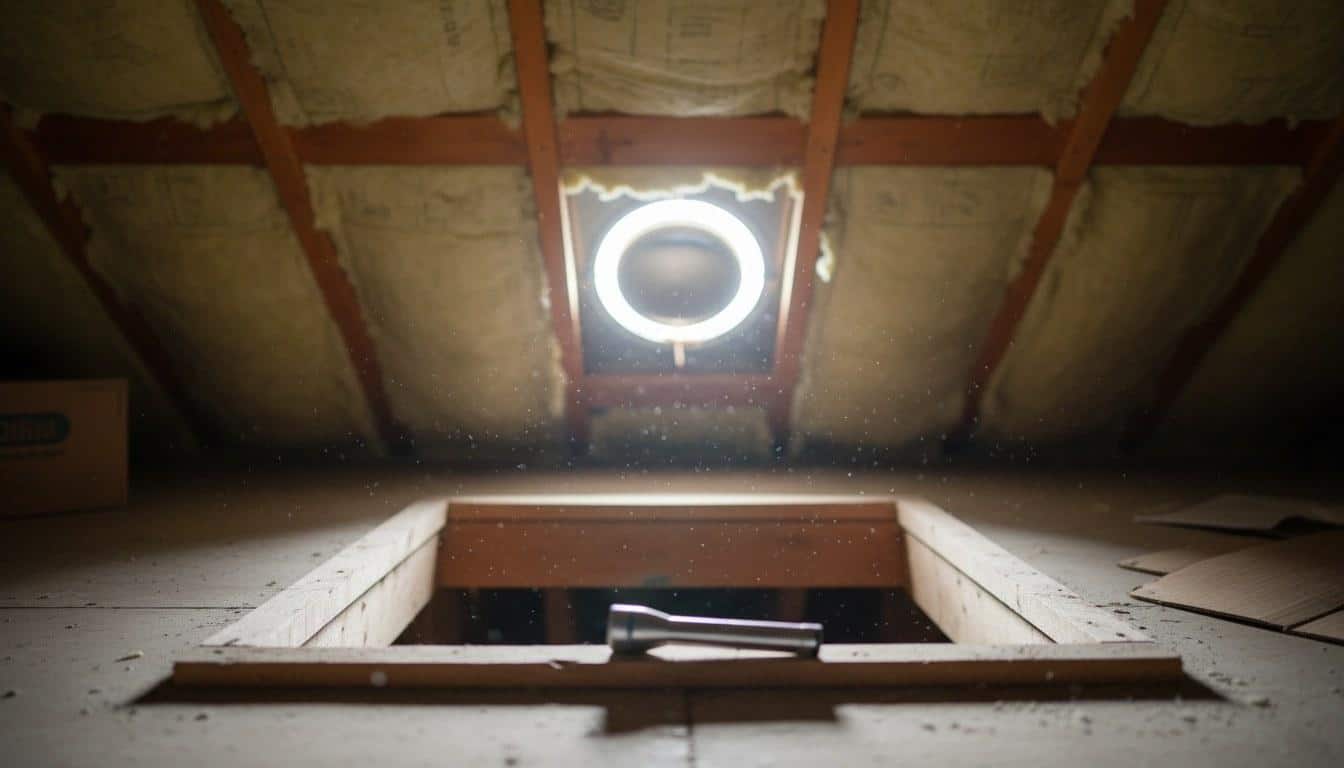
Our team works with sellers across Southern California who are surprised to learn that inspectors spend roughly 30 to 40 minutes on the electrical panel and HVAC systems alone — we consistently see those two categories generate the most buyer repair requests on homes that skipped pre-inspection prep.
| System | What Inspectors Check | Common Flags |
|---|---|---|
| Roof | Shingles, flashing, gutters, vents | Missing shingles, improper flashing, clogged gutters |
| Electrical | Panel, outlets, GFCI, grounding | Double-tapped breakers, missing GFCI, exposed wiring |
| Plumbing | Fixtures, water heater, supply/drain lines | Leaks, slow drains, unsealed TPR valve |
| HVAC | Furnace, AC, ducts, filters, thermostat | Dirty filters, inoperable modes, missing service records |
| Foundation/Structure | Visible cracks, moisture intrusion, framing | Efflorescence, settlement cracks, wood-to-soil contact |
| Attic/Insulation | Ventilation, insulation depth, signs of pests | Inadequate ventilation, missing insulation, rodent evidence |
How Much Does a Pre-Listing Inspection Cost — and Is It Worth It?
A pre-listing inspection by a certified inspector typically costs between $350 and $650 in the California market, depending on the home’s size, age, and complexity. Homes over 3,000 square feet or those with multiple structures, pools, or older systems generally land at the higher end of that range.
The strategic case for spending that money upfront is strong. A buyer-ordered inspection that uncovers a $4,000 repair item often results in a buyer requesting a $6,000 to $8,000 price reduction — because buyers assume the worst about items they discover themselves. A seller who already knows about the issue, discloses it, and gets a licensed contractor quote controls the narrative.
A buyer-ordered inspection that uncovers a $4,000 repair item often results in a buyer requesting a $6,000 to $8,000 price reduction.
As of 2026, California sellers are also required to complete a Transfer Disclosure Statement (TDS) and, for most properties, a Natural Hazard Disclosure (NHD). A pre-listing inspection gives you the documentation to fill those forms accurately and confidently, reducing your legal exposure after closing.
For any repairs identified, always get at least 2 licensed contractor bids before agreeing to a buyer’s credit demand. Buyers and their agents frequently overestimate repair costs during negotiations.
What Are the Most Common Seller Mistakes That Hurt Inspection Results?
The single most damaging mistake sellers make is leaving the home inaccessible — locked gates, blocked panels, and stored items in front of the water heater or electrical panel all generate automatic flags. Inspectors document anything they cannot reach, and those entries read as red flags to buyers even when the underlying system is fine.
Across our listing consultations in the Southern California market, we see sellers lose an average of $5,000 to $12,000 in post-inspection concessions on homes where simple, sub-$500 repairs were skipped before the buyer’s inspector arrived.
Other common mistakes include:
- Leaving utilities off: Gas, water, and electricity must all be active. An inspector who cannot test the furnace or water heater will flag it as non-functional.
- Being present during the inspection: Sellers who follow the inspector and offer explanations create an uncomfortable dynamic. Leave the home for the full 2 to 4 hours.
- Skipping the water heater straps: Seismic strapping is a California legal requirement and one of the most common flags in LA County and surrounding areas. The fix costs under $50 in parts.
- Ignoring deferred maintenance signals: Peeling caulk around tubs, missing cover plates on outlets, and broken window locks are cheap fixes. Left unaddressed, they signal to buyers that bigger maintenance has also been deferred.
- Not disclosing known issues: Attempting to conceal a known defect creates serious legal liability under California Civil Code Section 1102. Disclose, repair, or price accordingly.

How Do You Handle Inspection Findings Without Losing the Deal?
When a buyer’s inspection report comes back with findings, sellers have three options: repair the item, offer a credit at closing, or adjust the purchase price. Each approach has different implications for your net proceeds and deal timeline.
Repairs completed before closing give buyers the most confidence — they see the issue resolved rather than receiving cash and wondering if they’ll have enough to cover the actual cost. Credits are faster and simpler but invite buyers to inflate their estimates. Price reductions affect your net proceeds dollar-for-dollar and also reset the comparable sales data for your neighborhood.
| Response Option | Best For | Seller Risk |
|---|---|---|
| Complete the repair | High-visibility items (roof, HVAC, plumbing leaks) | Low — buyer sees resolution, less room to renegotiate |
| Offer a closing credit | Cosmetic or low-urgency items | Medium — buyer may request more than actual repair cost |
| Price reduction | Structural or large-scope issues | High — affects net proceeds and neighborhood comps |
| Decline and hold firm | Items already disclosed and priced in | Variable — depends on market conditions and buyer motivation |
California sellers should also be aware that as of 2024, California’s Title 24 building energy standards have raised the bar on what buyers expect from home systems. HVAC systems, insulation levels, and window glazing are increasingly scrutinized — especially in warmer inland communities across Los Angeles County and the San Fernando Valley. Buyers in the current market are more energy-aware than at any prior point, and inspection findings related to energy performance carry more weight in negotiations than they did even 3 years ago.
For federally backed loans (FHA, VA), certain inspection findings are not optional — lenders require repairs before they will fund the loan. Peeling paint on homes built before 1978, missing handrails, and inoperable HVAC systems are common examples. If your buyer is using government-backed financing, these items must be resolved before closing, not credited.
Ready to List? Work With an Experienced CA Listing Agent
Preparing your home for inspection is one of the highest-return investments you can make before listing. The steps above are straightforward, but knowing which repairs to prioritize, how to respond to findings, and how to negotiate without losing your buyer requires real-market experience.
Realtor David works with sellers across Southern California, helping homeowners navigate every stage of the listing process — from pre-inspection prep to closing. Whether you’re selling a single-family home, a condo, or a larger estate property, a strategic approach to the inspection process protects your equity and keeps your deal on track.
Call Realtor David at (818) 421-2170 to schedule a pre-listing consultation. Get a clear plan for your home before the buyer’s inspector ever sets foot on the property.
Frequently Asked Questions
How far in advance should I prepare my home for an inspection?
Start your preparation at least 2 to 3 weeks before the scheduled inspection. This gives you enough time to get contractor bids, complete minor repairs, and address any surprises you find during your own walkthrough. Rushing repairs in the final 48 hours often results in work that looks incomplete to the inspector.
Do I need to fix everything before a home inspection?
No — you are not required to fix every defect before the inspection. Focus on safety items (smoke detectors, GFCI outlets, water heater straps), access issues (clearing panels and attic hatches), and high-visibility maintenance signals like leaky faucets and broken window locks. Major structural or system issues may be better handled through disclosure and pricing strategy rather than rushed repairs.
Should I get a pre-listing inspection before my buyer does?
A pre-listing inspection is one of the smartest moves a seller can make in the current California market. It costs between $350 and $650 for most homes, and it gives you the chance to find and address issues on your own terms — before a buyer uses them as negotiation leverage. It also helps you complete your Transfer Disclosure Statement accurately.
Do I have to be home during the inspection?
Sellers should not be present during the buyer's home inspection. Your presence can make the inspector and buyer uncomfortable, and it opens the door to conversations that should go through your agent. Leave the property for the full inspection window, typically 2 to 4 hours, and make sure your agent is available by phone if questions arise.
What happens if the buyer's inspection finds something major?
If the inspection uncovers a significant defect, you have three main options: complete the repair with a licensed contractor, offer the buyer a closing credit, or reduce the purchase price. For federally backed loans like FHA or VA, certain safety and habitability repairs are non-negotiable — lenders require them before funding. A good listing agent can help you evaluate which response protects your net proceeds best.