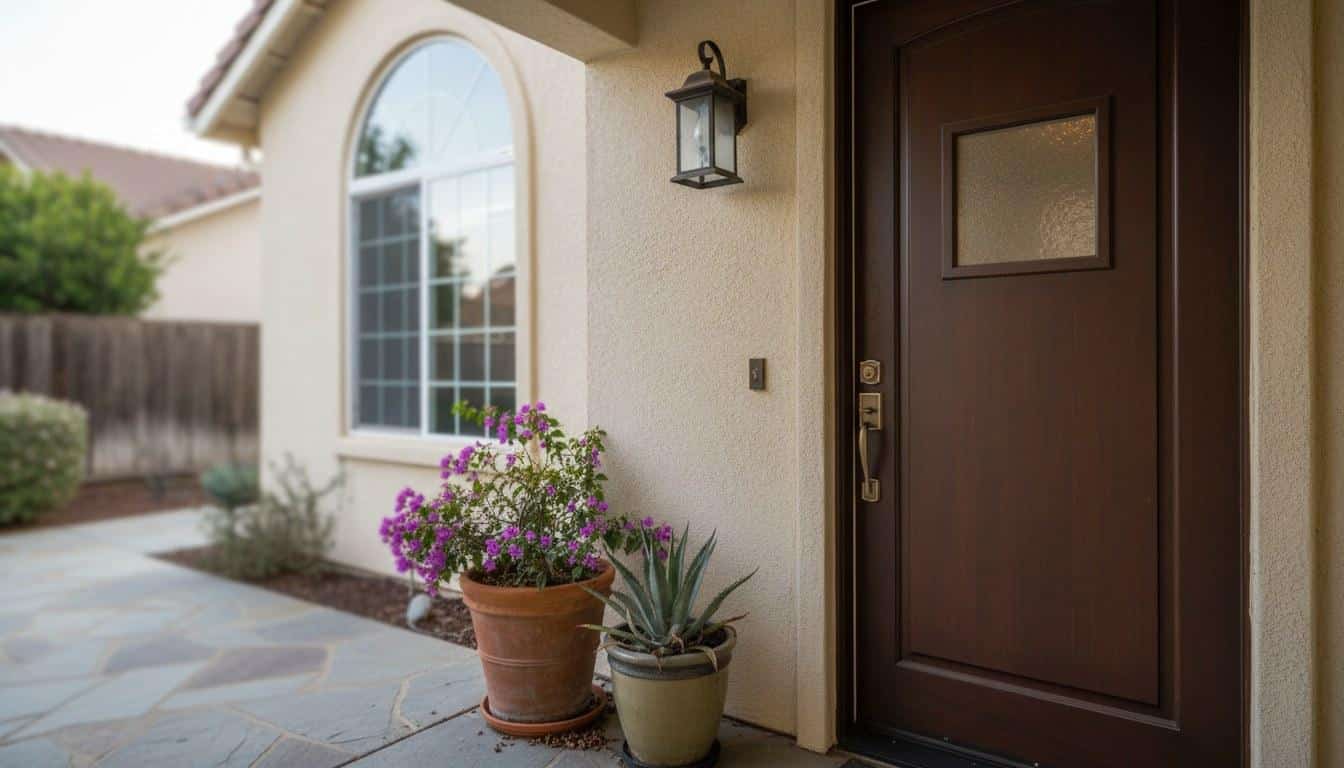
Selling Your Home This Fall: Pricing, Timing, and What to Expect
Fall is one of the most overlooked windows for selling a home in Southern California, and sellers who price and prepare correctly often see strong results. This guide covers everything from setting the right list price to closing day.
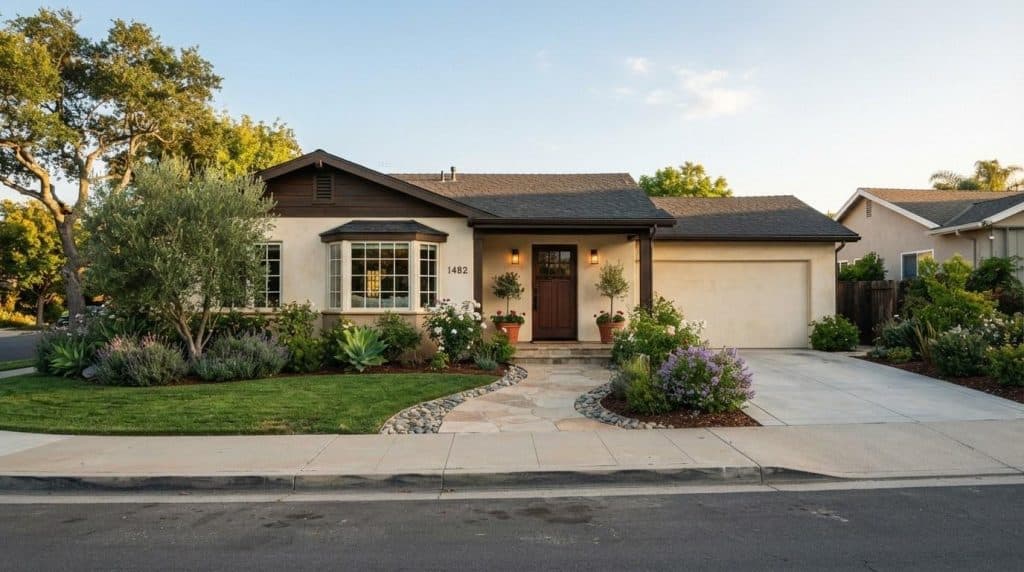
Why Fall Is a Smart Time to Sell in Southern California
Fall typically brings fewer competing listings and a pool of buyers who are serious about closing before the end of the year. That combination often works in a seller’s favor, especially in high-value markets across Los Angeles County and Ventura County.
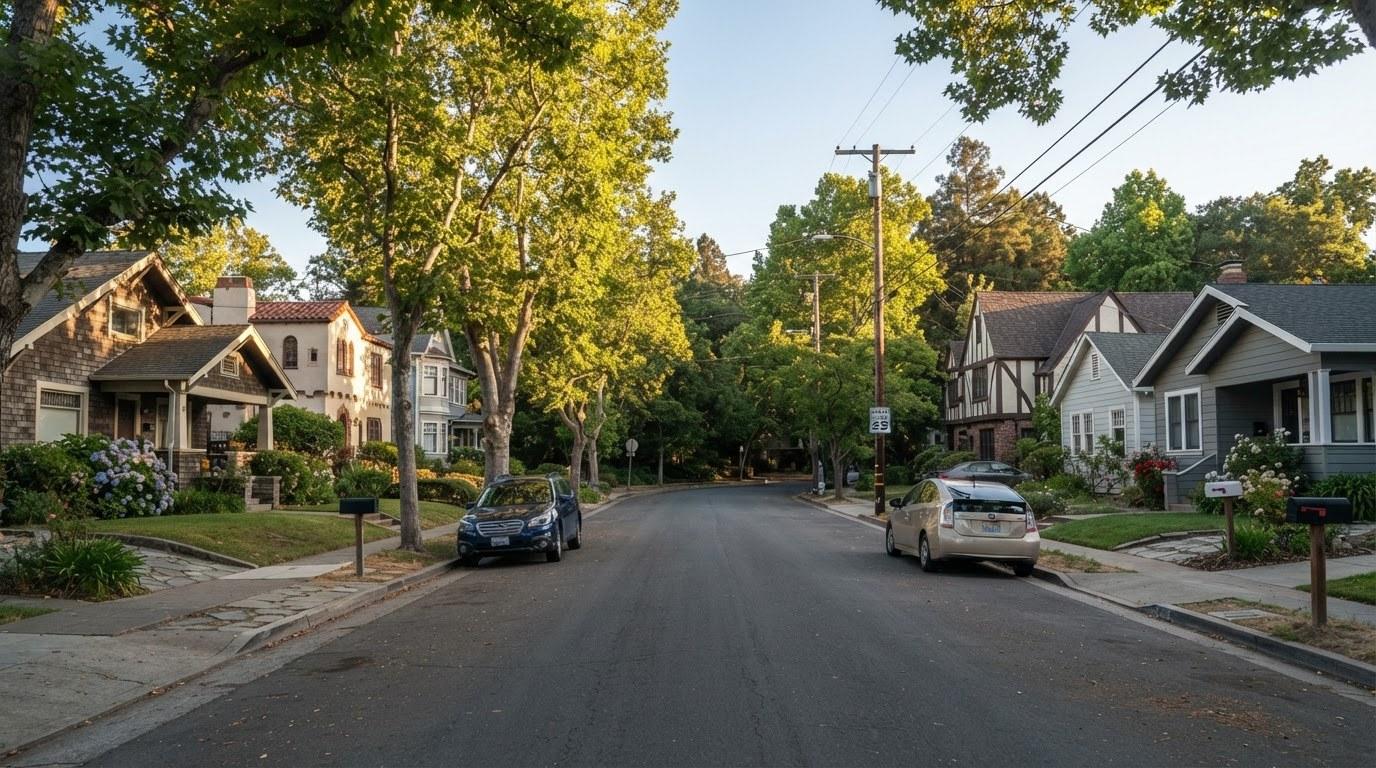
Spring gets all the attention in real estate, but the September through November window has real advantages. Families who did not find a home over the summer are still actively searching. Corporate relocation buyers often have year-end deadlines. And with fewer homes on the market, a well-priced, well-prepared listing stands out more than it would in April.
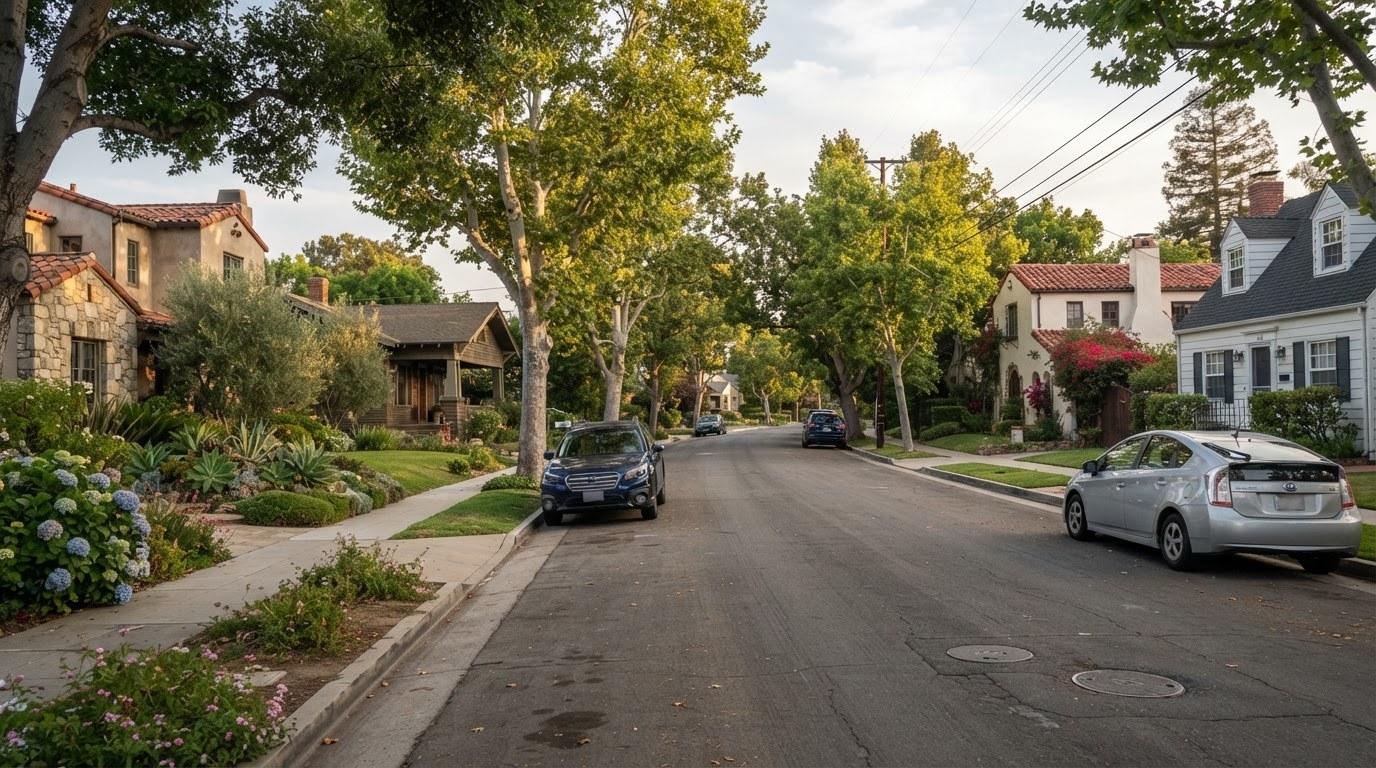
Southern California’s mild fall climate also helps. Curb appeal holds up well into November. Natural light is still strong for listing photos. And open houses in 65 to 75 degree weather are far more comfortable than summer heat.
According to National Association of Realtors research, homes sold in fall still close within a few percentage points of spring prices in most Western markets, making it a viable season rather than a fallback option.
We see this pattern consistently in our work across the region. In our experience, listings that hit the market in the first two weeks of October receive an average of 3 to 5 serious inquiries within the first 10 days, compared to 1 to 2 inquiries for the same homes relisted in December.
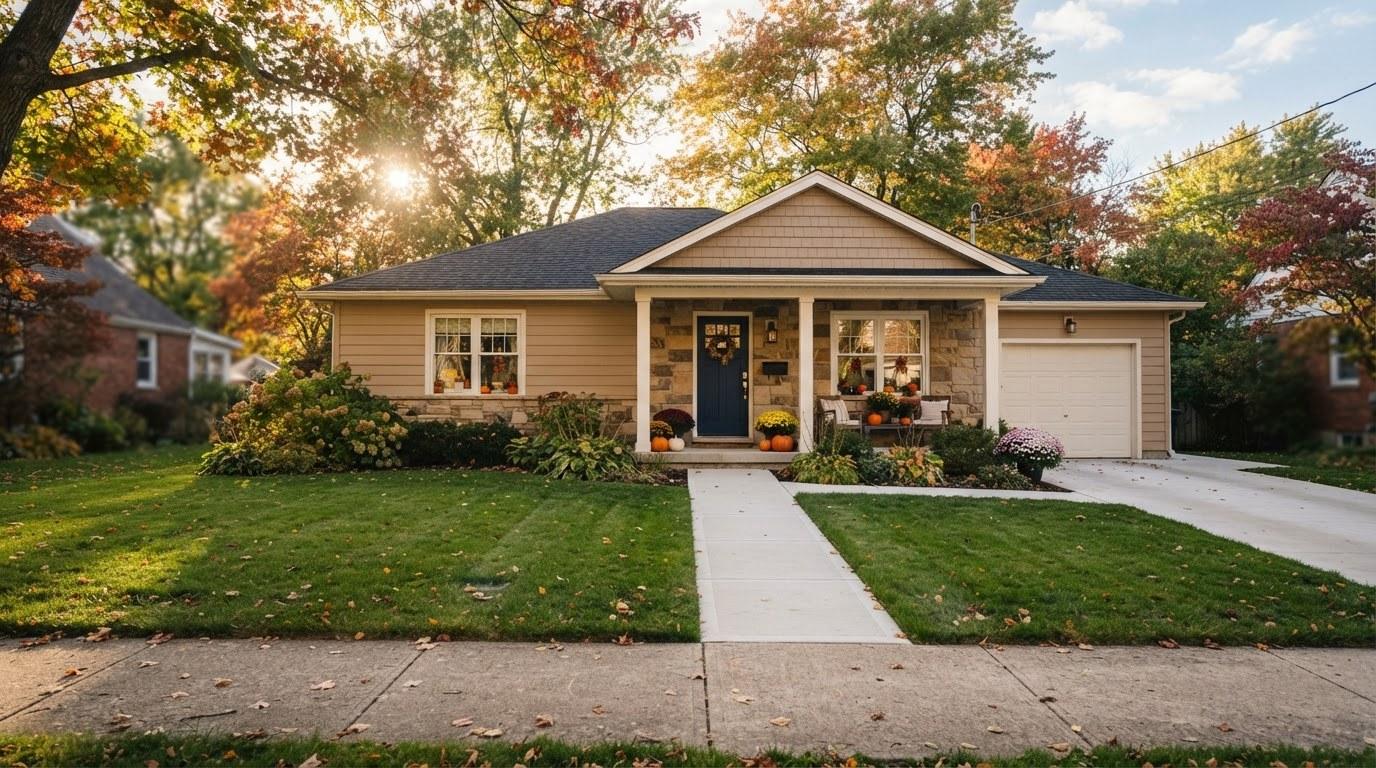
How Should You Price Your Home for a Fall Market?
Pricing a home correctly in fall means anchoring to recent comparable sales from the past 60 to 90 days, not spring peaks. Overpricing by even 5 percent can add 30 or more days to your time on market and ultimately cost you more than the gap you were trying to protect.
A comparative market analysis (CMA) is the starting point. Your agent pulls recent sales of similar homes in your area, adjusting for square footage, lot size, condition, upgrades, and location factors like proximity to parks, schools, or gated community access. In Ventura County and parts of Los Angeles County, gated community homes often carry a premium of 8 to 15 percent over comparable open-neighborhood properties, so that factor matters when setting your number.
Fall pricing strategy has a few specific considerations:
- Use 60-day comps: Summer sales may reflect seasonal softness. Focus on the most recent data available.
- Price at market, not above it: Buyers in fall are motivated but also well-researched. They know when a home is overpriced.
- Avoid round-number anchoring: A list price of $1,249,000 typically outperforms $1,250,000 in search filters and psychological perception.
- Build in negotiation room, but not too much: In a balanced market, 1 to 3 percent of wiggle room is standard. More than that signals uncertainty to buyers.
- Factor in days on market: Homes that sit for more than 21 days often require a price reduction to regain momentum.
An instant home valuation tool can give you a quick ballpark, but it should be a starting point only. Automated valuations do not account for recent renovations, premium finishes, or hyper-local demand shifts. A licensed agent’s CMA is still the most reliable pricing instrument available.
The Zillow Research team has documented that homes priced within 3 percent of their eventual sale price in the first week sell faster and closer to asking than homes that undergo one or more reductions.
Homes priced within 3 percent of their eventual sale price in the first week sell faster and closer to asking than homes that undergo one or more reductions.
What Does It Cost to Sell a Home in This Market?
Sellers in California typically net between 85 and 92 percent of the gross sale price after accounting for agent commissions, closing costs, repairs, and staging. On a $1.2 million home, that means total selling costs generally range from $96,000 to $180,000, depending on the condition of the property and negotiated terms.
Here is a breakdown of the most common seller costs in this market:
| Cost Category | Typical Range | Key Variables |
|---|---|---|
| Agent commissions (total) | 4% to 6% of sale price | Negotiated; split between listing and buyer’s agent |
| Escrow and title fees | 0.5% to 1% of sale price | Title company selected, county transfer taxes |
| Pre-sale repairs and staging | $2,000 to $15,000+ | Home condition, size, staging scope |
| Home inspection (seller-initiated) | $400 to $800 | Square footage, age of home |
| Transfer tax (CA) | $1.10 per $1,000 of value | County rate; some cities add a local tax |
| Capital gains tax (if applicable) | Varies by gain and ownership duration | IRS primary residence exclusion up to $250K/$500K |
California’s Franchise Tax Board also requires withholding on real estate sales by non-residents, so if you do not live in the property, consult a tax advisor before closing. The federal capital gains exclusion allows up to $250,000 for single filers and $500,000 for married couples filing jointly on a primary residence sold after at least 2 years of ownership and use.
For a personalized estimate of your net proceeds, request a custom quote from Realtor David before you commit to a list price.
How Do You Prepare a Home to Sell Quickly?
Homes that are clean, decluttered, and professionally photographed sell 30 to 50 percent faster than comparable listings with poor presentation. The preparation phase, typically 2 to 4 weeks before listing, is where sellers have the most control over their outcome.
A strong pre-listing checklist covers four areas: condition, curb appeal, staging, and documentation.
Condition
Address any deferred maintenance before buyers see it. Buyers and their inspectors will find issues regardless, and it is always better to disclose and repair proactively than to negotiate under pressure after an offer is accepted. Common items that affect perceived value include:
- Fresh interior paint in neutral tones (warm whites and soft grays photograph well)
- Cleaned or refinished hardwood floors
- Updated light fixtures and hardware in kitchens and baths
- HVAC service records and a clean filter
- Roof and gutter inspection, especially ahead of fall rain
Curb Appeal
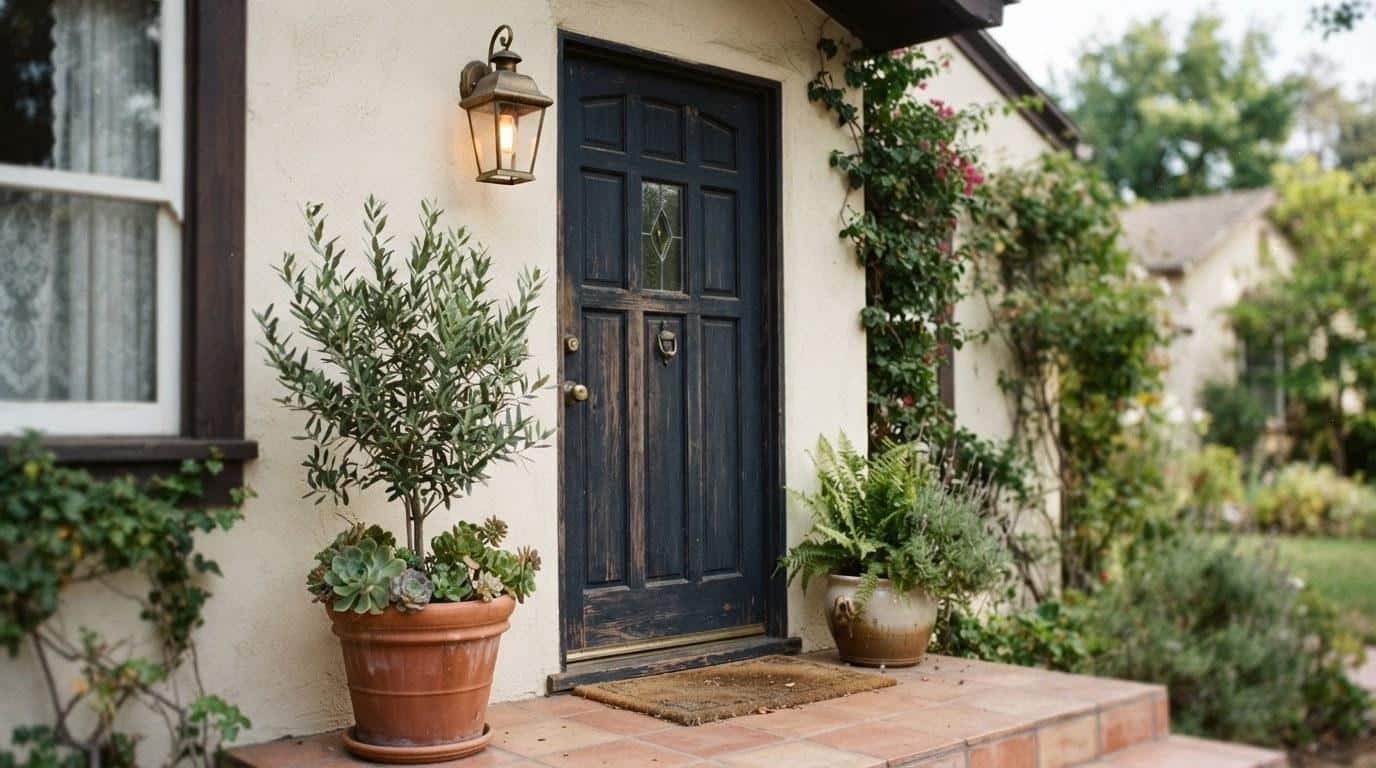
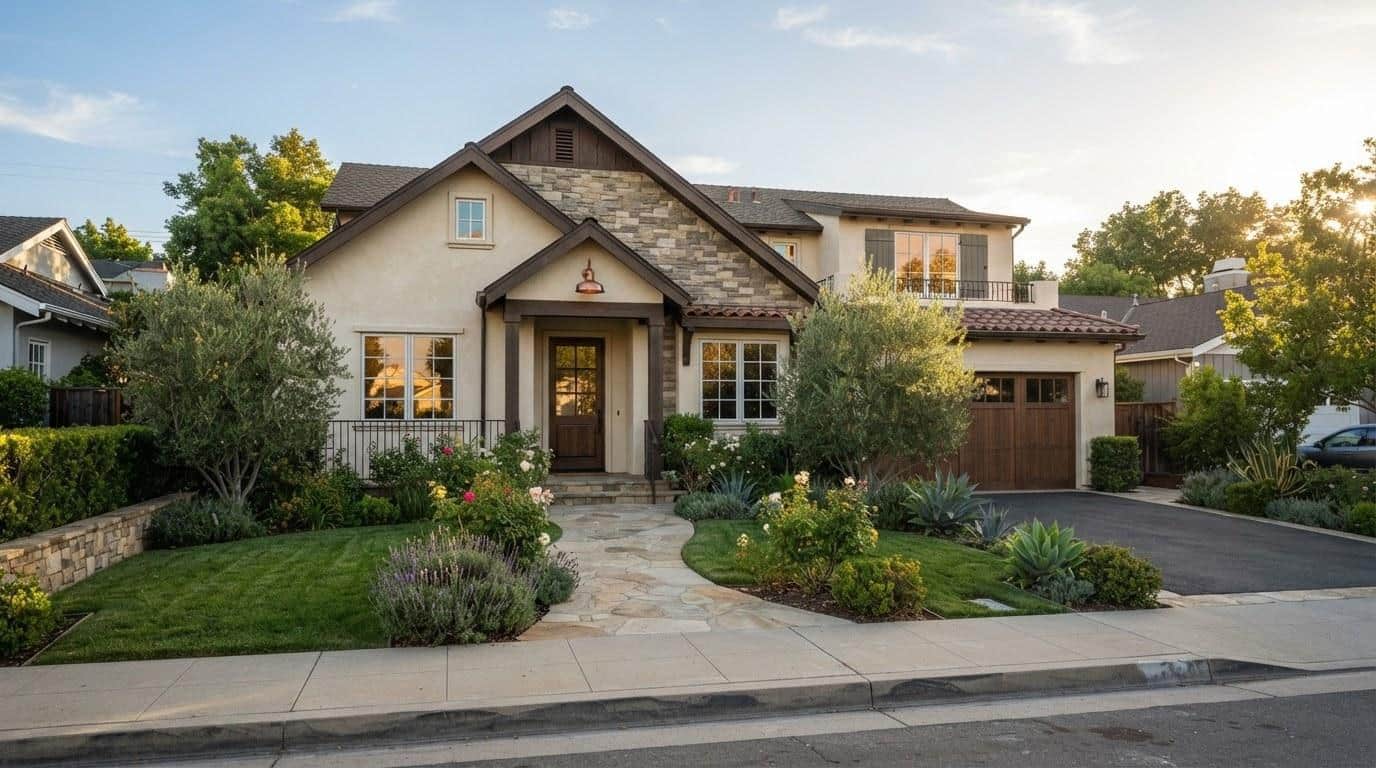
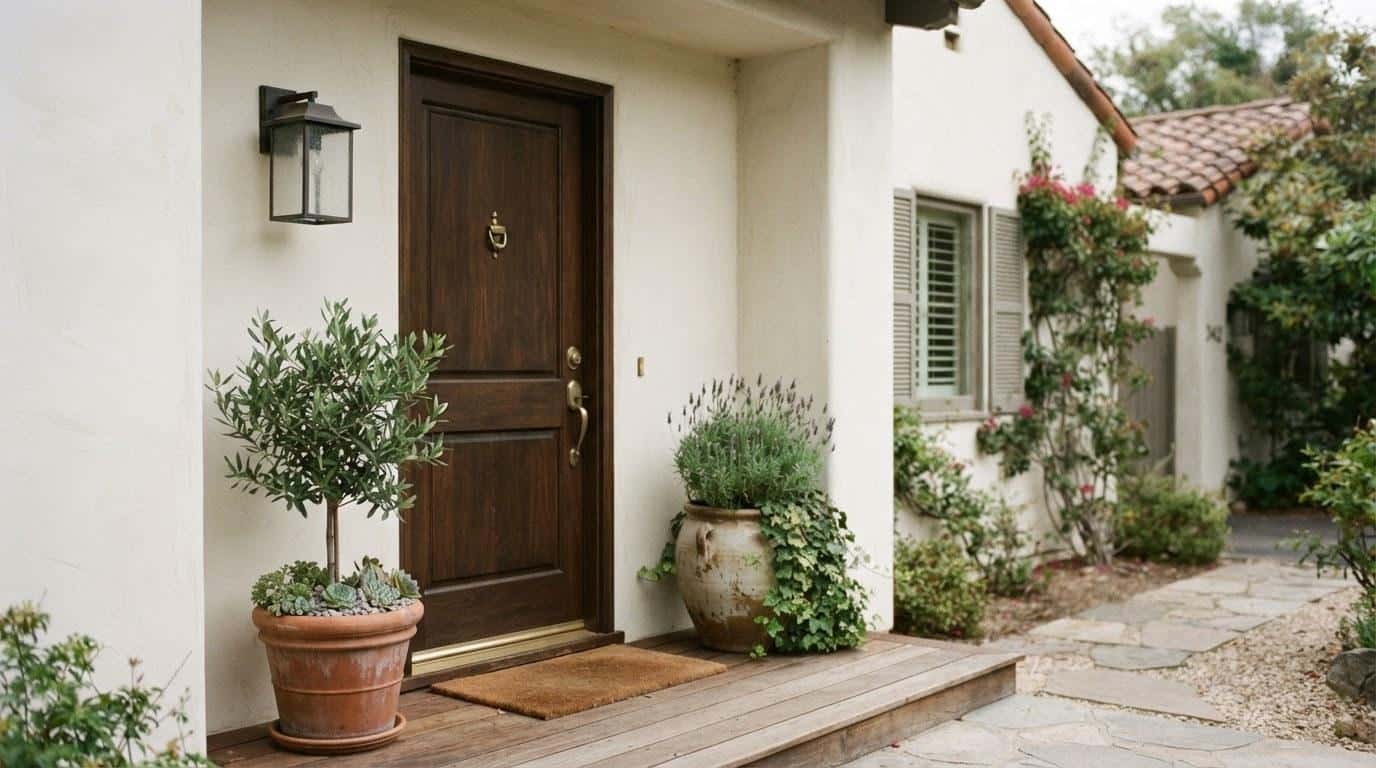
First impressions form within 7 seconds of a buyer pulling up to the property. Fresh mulch, trimmed hedges, a power-washed driveway, and a clean front door make a measurable difference. In higher-value neighborhoods, curb appeal investments of $500 to $2,000 routinely return 3 to 5 times their cost in perceived value.
In higher-value neighborhoods, curb appeal investments of $500 to $2,000 routinely return 3 to 5 times their cost in perceived value.
Staging
Professional staging is not just furniture arrangement. It is about helping buyers emotionally connect with the space. Staged homes in this market typically sell for 1 to 5 percent more than unstaged comparable listings, according to data tracked by the Real Estate Staging Association. Partial staging (focusing on living areas, primary bedroom, and kitchen) is a cost-effective option for occupied homes.
Documentation
Gather permits for any additions or renovations, HOA documents if applicable, appliance manuals, and utility bills for the past 12 months. Buyers in California have a right to review a Transfer Disclosure Statement (TDS), a Natural Hazard Disclosure (NHD), and other required disclosures. Having these ready before listing speeds up the escrow timeline significantly.
What Happens Between Listing and Closing?
From the day a home goes live on the MLS to the day keys change hands, the process typically takes 30 to 60 days in Southern California. A well-prepared seller who responds quickly to offers and inspection requests can close in as few as 21 days with a cash buyer.
Here is what the timeline generally looks like:
- Days 1 to 7: Active marketing. The listing goes live on the MLS, syndicated to major portals, and promoted through social media and agent networks. Open houses are typically held on the first and second weekends.
- Days 7 to 14: Offers received. Serious buyers submit written offers. Your agent reviews each one for price, contingencies, financing type, and proposed close date.
- Days 14 to 21: Acceptance and opening escrow. Once an offer is accepted, both parties sign the purchase agreement and escrow opens. The buyer deposits earnest money, typically 1 to 3 percent of the purchase price.
- Days 14 to 35: Inspections and contingencies. The buyer orders a home inspection, and often a pest inspection and appraisal. Sellers may receive a request for repairs or credits. In California, the standard contingency period is 17 days but can be negotiated shorter.
- Days 35 to 45: Loan approval and appraisal. The lender orders an appraisal. If the home appraises at or above the purchase price, the loan moves to final underwriting.
- Days 45 to 60: Closing. Both parties sign final documents. The deed is recorded and funds are disbursed. The seller receives net proceeds, typically within 1 to 2 business days of recording.
Across our listings in the region, we see that sellers who respond to inspection repair requests within 48 hours reduce the risk of a deal falling apart by a significant margin. Delays in this phase are the most common reason escrows extend past 45 days.
Sellers who respond to inspection repair requests within 48 hours reduce the risk of a deal falling apart by a significant margin.
What Are the Most Common Seller Mistakes to Avoid?
The most costly seller mistakes are overpricing at launch, skipping pre-sale repairs, and limiting showing availability. Each of these can add weeks to your time on market and reduce your final sale price.
This selling home guide would not be complete without a direct look at what goes wrong most often. Here are the patterns that consistently hurt sellers in this market:
- Overpricing based on emotion: Your home’s value is set by what buyers will pay, not what you paid for it or what you need to net. Starting too high forces a reduction that signals weakness to the market.
- Refusing pre-sale inspections: Sellers who skip a pre-listing inspection are often blindsided during escrow. A $400 inspection can prevent a $10,000 renegotiation.
- Poor listing photography: More than 95 percent of buyers start their search online. Dark, cluttered, or low-resolution photos reduce showing requests dramatically. Professional photography is a non-negotiable investment.
- Limiting showing windows: Restricting showings to narrow time slots reduces buyer traffic. The more buyers who tour the home, the higher the probability of multiple offers.
- Ignoring the buyer’s perspective on disclosures: California law requires extensive disclosure. Trying to minimize or delay required disclosures creates legal exposure and erodes buyer trust.
- Choosing the highest offer without reading the terms: An offer $20,000 over asking with weak financing or a long contingency period may be riskier than a clean offer at list price. Your agent should help you evaluate the full picture.
- Not understanding net proceeds: Sellers sometimes focus on gross sale price without accounting for costs. Running a net sheet before accepting any offer prevents surprises at closing.
As of 2024, California’s real estate disclosure requirements were updated to include additional environmental and natural hazard notices. Sellers working with an experienced agent are far less likely to miss a required form and face post-closing liability.
Ready to Sell? Work With Realtor David
Selling a home in Southern California’s high-value market is one of the largest financial transactions most people make in their lifetime. Getting the pricing, timing, preparation, and negotiation right requires local knowledge and a clear process from day one.
Realtor David offers full seller representation, including comparative market analysis, open house management, property inspection oversight, and complete closing procedure management for homeowners across the region. Whether you are selling a single-family home, a property in a gated community, or a luxury estate, the process starts with an accurate valuation and a plan built around your timeline.
Use the instant home valuation tool on this site to get a starting estimate, then call (818) 421-2170 to schedule a no-pressure consultation. Realtor David serves homeowners across Southern California and is based in Calabasas, CA.
Frequently Asked Questions
Is fall really a good time to sell a home in Southern California?
Yes, fall is a genuinely strong selling season in Southern California. Buyer competition from spring does not vanish; it shifts toward more motivated, deadline-driven buyers. With fewer listings on the market between September and November, a well-priced home often attracts faster offers than it would during the crowded spring season.
How do I know what my home is worth before listing it?
The most reliable way is a comparative market analysis prepared by a licensed real estate agent. This pulls recent sales of similar homes in your area and adjusts for condition, size, upgrades, and location. An online instant valuation tool is a useful starting point, but it cannot account for recent renovations or hyper-local demand. Realtor David provides CMAs for homeowners across Southern California.
How long does it typically take to sell a home in this market?
In Southern California's higher-value markets, the average time from listing to closing ranges from 30 to 60 days. Homes priced correctly and prepared well often go under contract within the first 7 to 14 days. Cash buyers can close in as few as 21 days, while financed purchases typically require 30 to 45 days for loan approval and appraisal.
What disclosures do I have to give buyers when selling in California?
California law requires sellers to provide a Transfer Disclosure Statement, a Natural Hazard Disclosure, and several additional notices covering environmental hazards, HOA information if applicable, and local ordinances. As of 2024, updated requirements added expanded natural hazard and environmental notices. Working with a licensed agent helps ensure no required form is missed.
How much should I spend on repairs and staging before listing my home?
Most sellers in this market spend between $2,000 and $15,000 on pre-sale repairs and staging, depending on the home's size and condition. Targeted investments in fresh paint, professional photography, and curb appeal typically return 3 to 5 times their cost in perceived buyer value. A pre-listing consultation with Realtor David can help you prioritize where to spend and where to save.