New Homeowner’s Year-Round Maintenance Schedule
Why Your First 12 Months Set the Stage for Long-Term Home Value
Your first year as a homeowner in Canoga Park isn’t just about enjoying your new space—it’s about establishing maintenance habits that protect your investment. Missing critical seasonal tasks during this initial period can trigger cascading failures: skip fall gutter cleaning and you risk water damage by spring; delay HVAC filter changes and you’re looking at costly compressor repairs within two years. The houses throughout Canoga Park’s 91303, 91304, and 91305 ZIP codes—many built in the 1950s through 1970s—require proactive upkeep to maintain their value in today’s competitive West Valley market.
📋 In This Guide
First-time buyers typically underestimate ongoing costs. Financial experts recommend setting aside 1% to 4% of your home’s value annually for maintenance, which translates to roughly $4,000–$16,000 per year for a typical $400,000 Canoga Park home. This guide breaks down exactly what to do each month, what you can handle yourself, and when to hire a professional. Working with a Real Estate services in Canoga Park expert during your purchase gives you a foundation, but the real work begins once you hold the keys.
1. January–March: Post-Purchase System Checks and Winter Prep
Your first three months demand immediate attention to critical systems. Start by locating your main water shutoff valve, electrical panel, and gas shutoff—knowing where these are prevents panic during emergencies. Test all smoke detectors and carbon monoxide alarms (replace batteries if needed), and inspect your water heater’s temperature setting (120°F is optimal for safety and efficiency). HVAC maintenance typically costs $75 to $250 per visit in Southern California, so schedule your first professional furnace inspection now if the seller didn’t provide recent maintenance records.
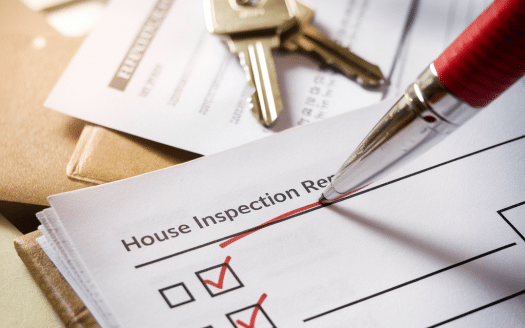
Walk your property’s perimeter and document its condition with photos—gutters, downspouts, foundation cracks, exterior paint. This baseline helps you track deterioration over time. Inside, change your HVAC filter (a task you’ll repeat every 1–3 months depending on air quality and pets). Check all faucets for leaks, test your garage door auto-reverse feature, and inspect attic insulation. Many Canoga Park homes have original single-pane windows; note any drafts for future weatherstripping projects. Budget $200–$400 for this initial round of inspections and minor fixes. The David Salmanson Realtor — Homepage team often reminds buyers that documentation matters—both for resale and for tracking warranty claims.
DIY vs. Professional: What to Tackle Yourself
Replace smoke detector batteries, swap HVAC filters, and caulk minor window drafts yourself (under $50 in materials). Hire licensed pros for furnace inspections, electrical panel checks, and any plumbing beyond basic leak tightening. A general home inspection costs $300–$500 and catches issues you might miss.
2. April–June: Spring Systems Tune-Up and Outdoor Prep
Spring in the West Valley means preparing for summer heat. Schedule your annual air conditioning tune-up in April or May—before June temperatures hit 90°F and every HVAC tech is booked solid. Most technicians recommend servicing HVAC systems at least twice annually, ideally in spring and fall, or at minimum once per year. This visit includes refrigerant level checks, coil cleaning, and drain line flushing. Expect to pay $100–$200 for routine maintenance; neglect this and a mid-July breakdown could cost $500–$1,200 in emergency repairs.
Outside, clean gutters and downspouts thoroughly (a ladder, gloves, and two hours of your time, or $150–$250 for professional service). Inspect your roof from the ground using binoculars—look for missing shingles, moss growth, or sagging. Test your sprinkler system zone by zone, checking for broken heads or uneven coverage. Canoga Park’s Mediterranean climate stresses irrigation systems; replace leaking sprinkler heads immediately (each head costs $5–$15). Trim trees and shrubs away from your home’s exterior—branches touching siding invite pests and moisture damage. For pest prevention, seal cracks around windows and doors with weatherstripping ($20–$50 in materials). Consider a termite inspection ($75–$150), especially critical in California where subterranean termites thrive.
Creating Your Maintenance Budget
Budget 1% to 4% of your home’s value per year for maintenance costs, including repairs and replacements. For a newer Canoga Park home valued at $400,000, aim for $4,000 annually (1%); for older properties, lean toward $12,000–$16,000 (3–4%). Open a dedicated savings account and deposit $300–$1,300 monthly.
3. July–September: Summer Monitoring and Fall Prevention
July and August test your cooling system. Change HVAC filters monthly if you’re running AC constantly—dirty filters spike energy bills by 15% and strain the compressor. Monitor your water bill for unexpected increases (signs of hidden leaks). Check attic ventilation; inadequate airflow in 100°F heat accelerates shingle deterioration. If your attic exceeds 150°F, consider adding ridge vents or powered attic fans (professional installation runs $300–$800). Inspect caulking around bathtubs and sinks—reapply as needed to prevent water intrusion ($8 tube of caulk, 30 minutes).
By late August, start fall prep. September is ideal for servicing your heating system before winter (another $100–$200 tune-up). Drain and flush your water heater to remove sediment buildup—a DIY task if you’re comfortable with gas/electric shutoffs, or hire a plumber for $150–$250. Test your sump pump if you have one (pour water into the pit to trigger the float). Clean or replace bathroom exhaust fan filters. Walk your yard and note areas of poor drainage; heavy winter rains can flood basements or erode foundations if water pools near your home. Many properties in the Canoga Park Condos complexes share drainage systems—coordinate with your HOA on shared maintenance.
Seasonal Cost Summary
| Task | Frequency | DIY Cost | Pro Cost |
|---|---|---|---|
| HVAC Filter Change | Monthly (summer/winter) | $15–$30 | N/A |
| Gutter Cleaning | Spring & Fall | $0 (DIY) | $150–$250 |
| HVAC Tune-Up | Twice yearly | N/A | $100–$200 each |
| Water Heater Flush | Annual | $0 (DIY) | $150–$250 |
| Pest Control | Quarterly | N/A | $75–$150 quarterly |
4. October–December: Winterization and Year-End Review
October begins California’s rainy season. Clean gutters again if you have trees overhead—leaf buildup clogs downspouts and causes overflow that damages fascia boards and foundations. Test your sump pump monthly through winter. Reverse ceiling fan direction to clockwise (pushes warm air down). Check weatherstripping on all exterior doors; replace worn strips to prevent drafts ($30–$60 in materials for an average home). Inspect your roof after the first heavy rain—look for leaks in attics and on ceilings. Canoga Park’s older housing stock often has original roofs reaching end-of-life; Selling a Canoga Park Pool Home? Full Cost Breakdown resources note that roof replacement is a major negotiation point for sellers.
By November, drain outdoor faucets and disconnect garden hoses to prevent frozen pipe damage. Inspect your fireplace chimney—if you use it regularly, hire a chimney sweep ($150–$300 for inspection and cleaning). December is ideal for scheduling your annual home insurance review; ensure your policy reflects current replacement costs and any improvements you’ve made. Review your year-one maintenance spending against your budget. Did you hit the 1% rule, or did unexpected repairs push you toward 3%? Adjust next year’s savings target accordingly.
Establish service contracts with reliable vendors now. Finding a trustworthy HVAC tech, plumber, and handyman before an emergency strikes saves stress and often money—many contractors offer annual maintenance plans ($200–$500/year) that include priority service and discounted rates. When you’re ready to upgrade or sell, consulting with the calabasas best realtor or a Canoga Park Best Realtor ensures you understand which improvements yield the best return.
5. Emergency Fund and Record-Keeping for First-Year Owners
Beyond your annual maintenance budget, maintain a separate emergency fund covering 3–6 months of housing expenses (mortgage, taxes, insurance, and utilities). Over 33% of homeowners can’t cover emergency repairs over $1,000, and 15% struggle with repairs over $500—don’t let unexpected failures derail your finances. A water heater replacement costs $1,200–$2,500; a new HVAC system runs $5,000–$10,000. Having cash reserves means you can address problems immediately rather than letting them worsen.
Create a home maintenance binder or digital file. Document every repair, service call, and warranty. Include photos, receipts, contractor contact info, and paint colors. This record proves invaluable when selling—buyers appreciate detailed maintenance histories. Track monthly utility bills to spot anomalies (a sudden spike in water use flags leaks; increased electric bills suggest HVAC inefficiency). Note seasonal patterns so you budget accurately for next year.
Subscribe to local services that simplify upkeep. Many Canoga Park homeowners use quarterly pest control (cockroaches and ants thrive year-round here), monthly pool service if applicable, and annual landscaping contracts for tree trimming. These subscriptions average $100–$300 monthly combined but prevent neglect. For properties in Gated Condo Community in Canoga Park developments, your HOA covers some exterior maintenance—review your CC&Rs to understand what’s your responsibility versus shared costs. When questions arise about home systems or local contractors, experienced agents provide referrals; reach out through Contact Us for trusted vendor recommendations.
Your first year establishes patterns that protect your home’s value for decades. Consistent monthly tasks—filter changes, visual inspections, cleaning—prevent the expensive surprises that catch unprepared owners off guard. Seasonal deep dives ensure major systems receive professional attention before they fail. And disciplined budgeting means you’re never choosing between a necessary repair and other financial obligations. Canoga Park’s affordable housing market rewards owners who maintain their properties; when you’re ready to sell or refinance, a well-documented maintenance history demonstrates pride of ownership that appraisers and buyers notice.

David Salmanson is a dedicated Realtor known for his professionalism, strong negotiation skills, and deep understanding of the real estate market. Committed to putting his clients’ interests first, David guides buyers and sellers through every step of the process with clear communication and expert strategy. His ability to simplify complex transactions and handle challenges with confidence helps ensure smooth closings and successful outcomes, earning the trust of clients who value experience, reliability, and results.
❓ Frequently Asked Questions
How much should I budget monthly for home maintenance as a first-time buyer in Canoga Park?
Budget 1–4% of your home's value annually, or $300–$1,300 monthly for a typical $400,000 Canoga Park home. Newer homes lean toward 1%, while older properties (common in the 91303–91305 ZIP codes) often require 3–4% due to aging systems. Open a dedicated savings account and automate monthly deposits to build your reserve.
What maintenance tasks can I do myself versus hiring professionals?
Handle HVAC filter changes ($15–$30 monthly), smoke detector battery swaps, basic caulking, and gutter cleaning if you're comfortable on a ladder. Always hire licensed pros for furnace/AC tune-ups ($100–$200 each visit), water heater work, electrical panel inspections, and roof repairs—mistakes on these systems cost thousands to fix.
When should I schedule HVAC maintenance for my Canoga Park home?
Schedule AC tune-ups in April or May before summer heat, and furnace service in September before winter. Most techs recommend twice-yearly service; waiting until June or December means emergency pricing and long wait times. Annual maintenance extends system life from 8–12 years (neglected) to 15–20 years (maintained), saving you thousands on premature replacement.
Should I work with David Salmanson Realtor for maintenance vendor referrals?
Yes—experienced realtors maintain networks of vetted contractors who serve the Canoga Park area. David Salmanson Realtor provides referrals to trusted HVAC techs, plumbers, roofers, and handymen who understand local building codes and the specific challenges of West Valley's older housing stock. Contact the team for reliable vendor recommendations.
📖 More Tips for Canoga Park
-
 First-Time Buyer Timing Mistakes: Canoga Park Guide
First-time buyers in Canoga Park often launch their search at the worst possible time—facing brutal competition and peak…
-
 Selling a Canoga Park Pool Home? Full Cost Breakdown
Discover the true cost of selling a pool home in Canoga Park, from real estate commission and transfer…
-
 Pool Home Sold in West Hills
8200 Kentland Ave, Canoga Park, CA 91304 Just sold for $850,000
-
 David Salmanson Supports the community
As part of his community outreach, for years your best local realtor David Salmanson has been donating food…