First-Time Buyers: Complete Budget Calculator Guide
What First-Time Homebuyers Actually Pay Beyond the Down Payment
The sticker price of a home tells only half the story. First-time homebuyers in Calabasas often focus exclusively on saving for a down payment—typically 3% to 20% of the purchase price—only to discover dozens of additional costs that can add $15,000 to $40,000 to their total cash requirement. On an $800,000 starter home in neighborhoods like Calabasas Park or Las Virgenes, that gap between expectation and reality derails many purchases before escrow even closes.

📋 In This Guide
💰 Typical First-Time Buyer Cash Requirements (Calabasas Market)
- Down Payment (3–20%): $24,000–$160,000 (on $800K home)
- Closing Costs (2–5%): $16,000–$40,000
- Earnest Money Deposit: $8,000–$24,000 (1–3% of purchase price)
- Inspections & Appraisal: $800–$1,500
- First-Year Maintenance Reserve: $8,000–$16,000 (1–2% of home value)
This guide breaks down every dollar you’ll need from offer to move-in, using current Calabasas market data to build a realistic first-time home buyer budget. Whether you’re eyeing a condo near Calabasas Commons or a single-family home in Malibu Canyon, understanding the complete financial picture prevents surprises and positions you to negotiate confidently.
Breaking Down Closing Costs: The Hidden 2–5% You Didn’t Budget For
Closing costs represent the single largest surprise expense for first-time buyers. These fees—distinct from your down payment—typically run 2% to 5% of the purchase price in Southern California. On an $800,000 home, that’s $16,000 to $40,000 due at closing, and many buyers learn about this requirement only weeks before they’re scheduled to take possession.
What Closing Costs Actually Cover
The closing cost umbrella includes loan origination fees (typically 0.5–1% of loan amount), title insurance ($1,500–$3,500 for an $800K property), escrow fees (roughly $2–$3 per $1,000 of sale price plus a $250 base), county transfer tax ($1.10 per $1,000 of purchase price), recording fees ($50–$150), and prepaid items like homeowners insurance and property tax reserves.
For an $800,000 purchase in Calabasas with a 10% down payment ($80,000), here’s a realistic breakdown: loan origination on a $720,000 mortgage costs approximately $3,600–$7,200; title insurance runs $2,800–$3,200; escrow fees total roughly $2,200–$2,650; county transfer tax equals $880; and prepaid insurance and property tax reserves add another $3,000–$5,000. Total: $12,480–$19,130 before factoring in appraisal, inspection, or other buyer-paid fees.
Negotiating Seller Credits
In a balanced or buyer-friendly market, requesting 2–3% in seller credits toward closing costs is common practice. A skilled Calabasas realtor structures these requests strategically: rather than asking for a blanket “$20,000 credit,” successful offers specify the credit as a percentage and tie it to verifiable closing costs shown on the Closing Disclosure. This approach increases seller acceptance rates while preserving your cash reserves for moving expenses and immediate home improvements.
The Pre-Closing Cash Outflow Timeline
Understanding when money leaves your account prevents cash-flow crunches. First-time buyers often assume all expenses hit at closing, but several significant payments occur weeks or even months earlier.
| Expense | When Due | Amount Range |
|---|---|---|
| Earnest Money Deposit | Within 3 days of accepted offer | $8,000–$24,000 (1–3%) |
| Home Inspection | During inspection period (days 5–17) | $400–$600 |
| Specialty Inspections (if needed) | During inspection period | $150–$500 each |
| Appraisal Fee | Ordered within 7–10 days of acceptance | $500–$800 |
| Remaining Down Payment + Closing Costs | 3 days before closing (wire deadline) | Balance of total cash requirement |
The earnest money deposit—often 1% to 3% of the purchase price—demonstrates serious intent and protects the seller if you back out without a valid contingency. This check or wire transfer must clear within three business days of offer acceptance. While it ultimately applies toward your down payment or closing costs, it represents immediate liquidity you’ll need in your bank account the week your offer is accepted.
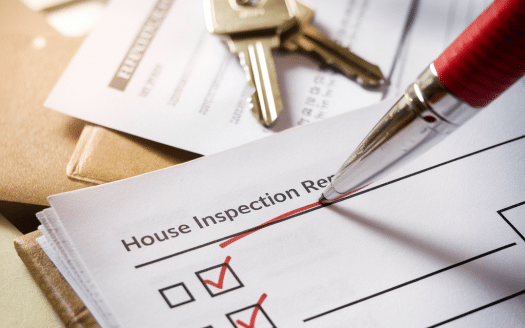
Inspection and appraisal fees follow quickly. Most purchase agreements in Calabasas include a 17-day inspection period. You’ll pay the inspector directly (typically $400–$600 for a standard single-family home) within the first two weeks. If the general inspection reveals concerns—foundation questions, roof issues, HVAC problems—you may order specialty inspections costing $150–$500 each. Simultaneously, your lender orders the appraisal, which you pay upfront: $500–$800 for most properties, though larger homes or those in gated communities like Las Virgenes occasionally cost more.
Loan Programs and Down Payment Requirements: Matching Your Budget to Reality
The down payment percentage you choose dramatically impacts both your upfront cash requirement and monthly housing costs. First-time buyers often fixate on minimizing the down payment without calculating the long-term cost of that decision.
Comparing Loan Options for Calabasas Buyers
Conventional loans with 20% down avoid private mortgage insurance (PMI) and typically secure the lowest interest rates, but require $160,000 upfront on an $800,000 home. Conventional loans with 3–10% down reduce the initial cash requirement to $24,000–$80,000 but add monthly PMI ($200–$600 depending on down payment percentage) until you reach 20% equity. FHA loans require just 3.5% down ($28,000 on an $800,000 purchase) but carry both upfront mortgage insurance (1.75% of loan amount, typically rolled into the loan) and monthly mortgage insurance premiums for the life of the loan unless you refinance. VA loans, available to eligible veterans and service members, offer 0% down with no PMI, making them the strongest option for qualified buyers in this price range.
For high-cost areas like Calabasas, note that the 2024 conforming loan limit is $1,089,300. Purchases above this threshold require jumbo loans, which typically demand 10–20% down and stricter credit requirements. Working with a local real estate professional helps you identify properties within conforming limits if avoiding jumbo financing is a priority.
Down Payment Assistance Programs
California offers several programs that reduce upfront cash requirements. The CalHFA MyHome Assistance Program provides 3.5% down payment assistance (as a deferred-payment junior loan with 0% interest) for qualified first-time buyers. Income limits apply—for Los Angeles County, the 2024 limit is typically around $166,000 for a household of two—and the property must be your primary residence. Other programs, including the California Dream For All Shared Appreciation Loan, offer down payment help in exchange for sharing a portion of future appreciation when you sell.
Research these options early. Many have funding caps that exhaust quickly when the fiscal year begins, and lender approval processes can add 2–3 weeks to your timeline.
Property Taxes and Insurance: The Ongoing Monthly Reality Check
Beyond the upfront costs, first-time buyers must budget for monthly property taxes and homeowners insurance—expenses that lenders require even if you’d prefer to skip them.
California’s Proposition 13 caps the base property tax rate at 1% of assessed value, with local bonds and assessments typically adding another 0.1–0.25%. In Calabasas, the effective property tax rate averages approximately 1.16%. On an $800,000 assessed value, that’s $9,280 annually or roughly $773 monthly. Your lender collects this amount (plus homeowners insurance) through an impound/escrow account, increasing your monthly payment beyond principal and interest.
Homeowners insurance in Calabasas ranges widely based on home age, construction type, and wildfire risk. Expect $1,200–$3,000 annually ($100–$250 monthly) for a standard single-family home. Properties in high fire-severity zones or those with older roofs pay premiums at the higher end of that range or beyond. Some buyers in Malibu Canyon or areas near open space pay $3,500–$5,000+ annually, particularly if they’ve been non-renewed by traditional carriers and must seek coverage through the California FAIR Plan.
First-Year Maintenance and Emergency Reserves
The most overlooked budget item: the maintenance reserve. Renters accustomed to calling a landlord for repairs face sticker shock when the water heater fails ($1,200–$2,500 installed), the HVAC system needs service ($150–$800 per visit), or the garage door opener dies ($300–$600 for replacement and installation).
Building a Maintenance Reserve
Financial planners recommend reserving 1% to 2% of home value annually for maintenance and repairs. For an $800,000 home, that’s $8,000–$16,000 per year or $665–$1,330 monthly. First-year buyers should target the higher end of this range because immediate needs often surface: painting, landscaping upgrades to meet HOA standards, window treatments, and appliance replacements if the seller left older units.
Even homes that pass inspection develop issues. The inspection identifies major defects, but it doesn’t predict when the 12-year-old dishwasher will leak or the landscape irrigation system will need new valves. Entering homeownership with $5,000–$10,000 in liquid reserves beyond your closing costs provides crucial peace of mind.
HOA Fees and Special Assessments
Many Calabasas condos and gated communities carry monthly HOA fees ranging from $200 to $800+. These fees cover common area maintenance, landscaping, sometimes exterior insurance, and amenities like pools or fitness centers. Critically, HOAs can levy special assessments—one-time charges for major projects like roof replacement or elevator upgrades. Budget-conscious buyers should review the HOA’s reserve study during the inspection period to assess the likelihood of upcoming special assessments.
Moving and Immediate Occupancy Costs
Once you close escrow, expenses continue. Professional movers in the Los Angeles area charge $800–$2,500 for local moves, depending on home size and whether you need packing services. DIY moves using rental trucks cost $200–$600 but demand significant time and physical effort.
Utility deposits and connection fees add another layer. Electric service typically requires a $150–$300 deposit for new customers. Gas service may require an additional $100–$200. Water service in Calabasas, provided by Las Virgenes Municipal Water District, generally doesn’t require a deposit for homeowners but charges a one-time connection fee if service has been disconnected. Internet and cable installation can run $100–$200 including equipment and first-month service.
Immediate home improvements—changing locks ($150–$400), installing window coverings ($500–$2,000 depending on home size), adding garage door openers or upgrading security systems ($300–$1,500)—quickly total $1,000–$4,000. First-time buyers should budget $3,000–$6,000 for moving and immediate occupancy expenses.
Month-by-Month Budget Timeline: From Offer to Move-In
A realistic savings plan starts 6–12 months before you intend to buy. Here’s how to structure your budget:
Months 1–3 (Pre-Approval Phase): Focus on credit score optimization and debt reduction. Avoid opening new credit accounts. Save aggressively—target $1,500–$3,000 monthly depending on your timeline. Meet with lenders to understand exactly how much you can borrow and what documentation you’ll need. Research Calabasas neighborhoods to refine your target price range.
Months 4–6 (Active Search Phase): Continue saving. Accumulate earnest money deposit funds ($8,000–$24,000) in a liquid account—savings or money market, not tied up in certificates of deposit you can’t access quickly. Attend open houses, refine your wish list, and build a relationship with a buyer’s agent who knows the local market.
Months 7–9 (Offer and Escrow Phase): Once your offer is accepted, wire the earnest money deposit within three days. Pay inspection and appraisal fees ($900–$1,400 total) during weeks two and three of escrow. Finalize your loan approximately 30 days into escrow; your lender will issue a Closing Disclosure itemizing all final costs. Review this document carefully—if closing costs exceed estimates, negotiate with your lender or request a seller credit if your contract allows.
Months 10–12 (Closing and Move-In Phase): Wire your down payment and remaining closing costs three business days before closing (typically $40,000–$180,000 depending on down payment percentage and negotiated credits). Schedule movers, order utilities, purchase immediate necessities like window coverings and lock changes. Reserve $5,000–$10,000 in your bank account post-closing for unexpected repairs and first-month expenses.
Common Budget Mistakes First-Time Buyers Make
The most frequent error: depleting savings entirely to maximize the down payment. Buyers who put every available dollar into the purchase leave themselves vulnerable to the first emergency. A $1,500 plumbing repair or $800 appliance replacement becomes a credit card crisis when no reserves remain.
Another pitfall: underestimating monthly carrying costs. First-time buyers calculate principal and interest but forget property taxes, insurance, HOA fees, and the 1–2% annual maintenance reserve. A $720,000 loan at 7% interest generates a $4,790 monthly principal and interest payment. Add $773 property taxes, $200 insurance, $300 HOA fee, and $665 maintenance reserve, and the true monthly cost is $6,728—40% higher than the loan payment alone.
Overlooking inspection and appraisal contingencies costs buyers thousands. Some waive inspections to strengthen offers in competitive markets, only to discover $15,000 in necessary repairs after closing. A California residential purchase agreement includes standard contingencies for a reason—use them. A calabasas best realtor structures competitive offers that protect your interests while remaining attractive to sellers.
Building Your First-Time Buyer Budget: Practical Steps
Start with your target purchase price. Multiply by your chosen down payment percentage to calculate upfront cash for the down payment. Add 2–5% for closing costs (use 3.5% as a realistic middle estimate). Add $1,200–$1,500 for inspections and appraisal. Add $3,000–$6,000 for moving and immediate occupancy costs. Finally, add $5,000–$10,000 for a post-closing reserve.
For an $800,000 Calabasas home with 10% down: $80,000 down payment + $28,000 closing costs (3.5%) + $1,300 inspections/appraisal + $4,500 moving/occupancy + $7,500 reserve = $121,300 total cash required. Subtract any earnest money deposit already paid and any negotiated seller credits to arrive at your final wire amount.
Track this budget in a spreadsheet. Update it as you receive actual quotes from lenders, inspectors, and insurers. First-time buyers who budget conservatively avoid surprises and negotiate from a position of strength.
Ready to Build Your Calabasas Homebuying Budget?
First-time homebuying in Calabasas requires more than a down payment—it demands a comprehensive budget that accounts for closing costs, inspections, moving expenses, and ongoing reserves. Armed with realistic cost expectations and a month-by-month savings timeline, you’ll approach offers with confidence and avoid the cash-flow crises that derail unprepared buyers.
Whether you’re exploring condos near Calabasas Commons, single-family homes in Calabasas Park, or properties in nearby Agoura Hills or Westlake Village, working with an experienced local agent ensures you understand every cost before you commit. David Salmanson Realtor specializes in guiding first-time buyers through the complexities of the Calabasas market, from budgeting and loan program selection to inspection negotiation and closing coordination. Get personalized guidance tailored to your financial situation and homeownership goals—contact us today to start building your path to homeownership.

David Salmanson is a dedicated Realtor known for his professionalism, strong negotiation skills, and deep understanding of the real estate market. Committed to putting his clients’ interests first, David guides buyers and sellers through every step of the process with clear communication and expert strategy. His ability to simplify complex transactions and handle challenges with confidence helps ensure smooth closings and successful outcomes, earning the trust of clients who value experience, reliability, and results.
❓ Frequently Asked Questions
How much cash do I actually need to buy a home in Calabasas as a first-time buyer?
Beyond your down payment (3–20% of purchase price), budget 2–5% for closing costs, $1,200–$1,500 for inspections and appraisal, $3,000–$6,000 for moving and immediate occupancy costs, and $5,000–$10,000 in post-closing reserves. On an $800,000 home with 10% down, total cash required typically ranges from $110,000 to $130,000 depending on negotiated seller credits and loan type.
What are closing costs and why are they so high for first-time buyers?
Closing costs include loan origination fees, title insurance, escrow fees, transfer taxes, recording fees, and prepaid property taxes and insurance. They typically run 2–5% of the purchase price because they cover services from multiple third parties—lender, title company, escrow company, county recorder—each charging separately. On an $800,000 Calabasas purchase, expect $16,000–$40,000 in closing costs.
Can I negotiate with the seller to cover some of my closing costs?
Yes. Requesting 2–3% in seller credits toward closing costs is common, especially in balanced or buyer-favorable markets. Structure the request as a percentage tied to verifiable closing costs on your Closing Disclosure rather than a flat dollar amount. Working with David Salmanson Realtor ensures your offer remains competitive while maximizing seller concessions that preserve your cash reserves.
Should I use a low down payment loan or save up for 20% down?
It depends on your cash position and monthly budget tolerance. Twenty percent down avoids private mortgage insurance (PMI) and secures better rates but requires significantly more upfront cash—$160,000 on an $800,000 home. Lower down payment options (3–10%) reduce initial cash needs but add $200–$600 monthly PMI until you reach 20% equity. Calculate both scenarios including PMI, interest rates, and opportunity cost of tying up larger cash reserves before deciding.
📖 More Tips for Calabasas
-
 Can First-Time Buyers in Calabasas Afford Homes in 2026?
With median home prices remaining elevated in Calabasas, first-time buyers face a critical question: can they actually afford…
-
 What Single-Family Homes Cost in Calabasas: 2026 Guide
Calabasas single-family homes range from $1.2M to $6M depending on neighborhood, lot size, and schools. This 2026 guide…
-
 Calabasas Home Sale Cost Breakdown: Hidden Fees Revealed
When a Calabasas seller closed on her $1.85M home, she was shocked to receive $108,000 less than expected.…
-
 Hidden Costs When Selling a Calabasas Home: Full Guide
Many Calabasas sellers underestimate closing costs and lose thousands at the table. This complete fee breakdown reveals every…