California Natural Hazard Disclosures: What Every Home Seller Must Provide
California law requires home sellers to deliver a Natural Hazard Disclosure Statement before closing, and missing even one required zone can delay or kill a sale. This guide walks you through every form, deadline, and common mistake to avoid.
What Is a Natural Hazard Disclosure Report and Why Does California Require It?
A Natural Hazard Disclosure (NHD) Statement is a legally required form that California home sellers must give to buyers before a purchase contract is signed. It tells buyers whether the property falls inside any of six state-designated hazard zones. The requirement comes from California Civil Code Section 1103, which has been in effect since 1998.
California’s geography makes this law especially important. The state sits on active fault lines, faces annual wildfire seasons that now burn more than a million acres in severe years, and has coastal and inland areas prone to flooding. Buyers have a right to know what risks come with a property before they commit.
The NHD form is separate from the Transfer Disclosure Statement (TDS), which covers the physical condition of the home. The NHD focuses strictly on government-mapped hazard zones. Sellers can complete the form themselves, but most hire a third-party NHD company to research official state and local maps and produce a certified report.
Which Six Hazard Zones Must California Sellers Disclose?
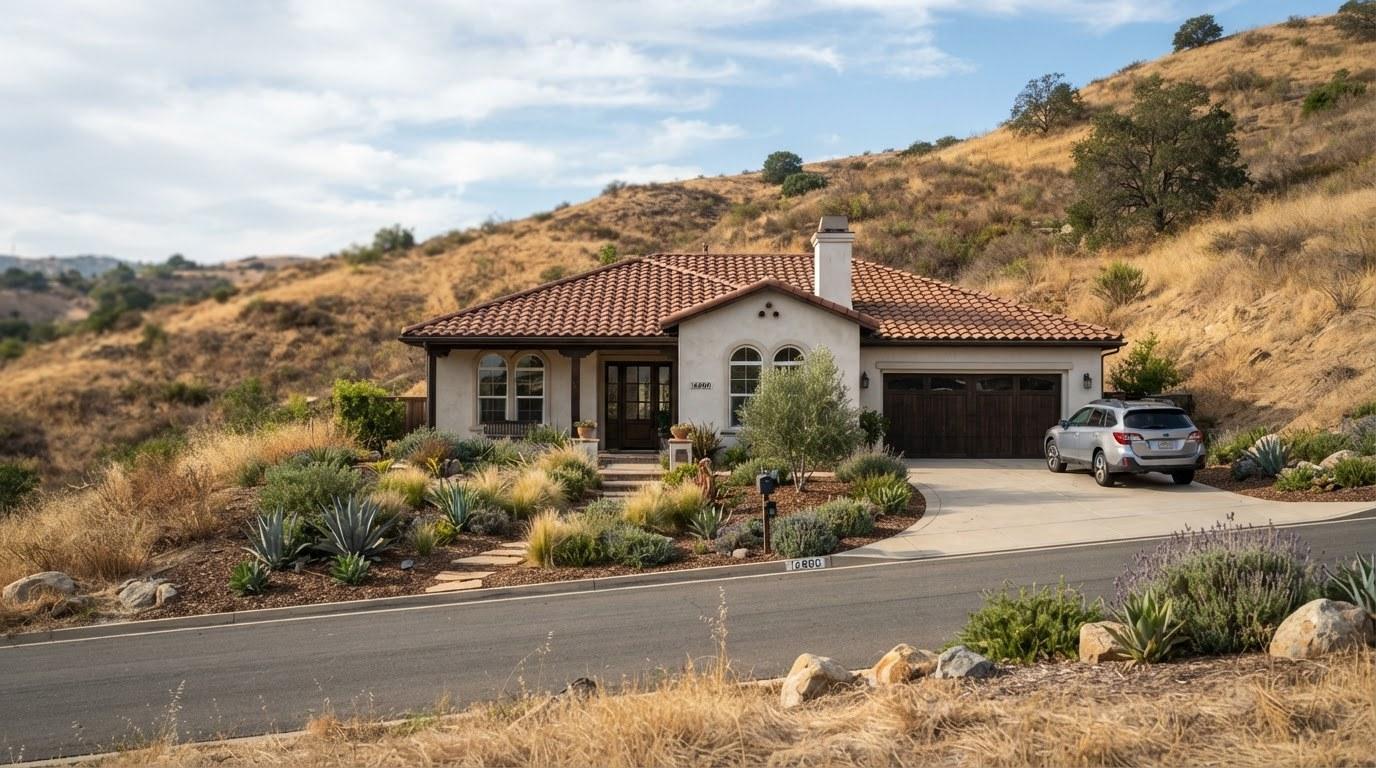
California Civil Code Section 1103 requires sellers to disclose whether a property is located in any of six specific natural hazard zones. Each zone is defined by a state or federal agency using official maps. If the property is in one of these zones, the seller must check “yes” on the NHD form, regardless of whether the hazard has ever directly affected the home.
- Special Flood Hazard Area (SFHA): Zones designated by FEMA on Flood Insurance Rate Maps (FIRMs). Properties here have at least a 1-in-100 annual chance of flooding. Buyers in these zones are typically required to carry flood insurance if they have a federally backed mortgage.
- Area of Potential Flooding (Inundation Zone): Areas that could flood if a dam or levee fails. These zones are mapped by the California Department of Water Resources.
- Very High Fire Hazard Severity Zone (VHFHSZ): Designated by CAL FIRE under California Government Code Section 51178. Sellers in these zones must also disclose specific fire safety requirements, including ember-resistant vents and defensible space rules.
- Wildland Fire Area (State Responsibility Area): Areas where the state, rather than a local agency, is responsible for fire prevention and suppression. Mapped by CAL FIRE.
- Earthquake Fault Zone: Areas within 50 feet of an active fault trace, mapped under the Alquist-Priolo Earthquake Fault Zone Act. New structures for human occupancy generally cannot be built within these zones.
- Seismic Hazard Zone: Areas at risk of liquefaction or landslide triggered by an earthquake, mapped by the California Geological Survey under the Seismic Hazards Mapping Act.
Some NHD reports also include additional local hazard disclosures, such as airport influence areas, radon zones, or methane overlay zones. These extras are not required by Civil Code 1103, but many NHD companies include them as a best practice. In our experience, listings that skip the supplemental local hazard pages sometimes face buyer objections late in escrow when those items surface in a separate inspection report.
How Does the NHD Report Process Work for Sellers?
The NHD report process typically takes two to five business days from order to delivery. Sellers order the report from a licensed NHD company, which cross-references the property’s assessor parcel number against official state and federal hazard maps. The completed report is then delivered to the buyer as part of the disclosure package.
Here is how the process works from start to finish:
- Seller (or agent) orders the report. The order requires the property address and assessor parcel number (APN). Most NHD companies accept orders online and turn reports around within two to three business days.
- The NHD company researches official maps. They check FEMA flood maps, CAL FIRE fire severity maps, California Geological Survey seismic maps, and dam inundation maps maintained by the Department of Water Resources.
- The report is generated and certified. The NHD company signs the report, taking on liability for the accuracy of the zone determinations. This is a key reason most sellers use a third party rather than completing the form themselves.
- The report is delivered to the buyer. California law requires delivery before the buyer removes contingencies or signs the purchase agreement. The buyer and seller both sign an acknowledgment page.
- The buyer has three days to review. Under California Civil Code Section 1103.3, the buyer has three calendar days after personal delivery (or five days after mailing) to rescind the offer based on NHD findings.
Sellers who list homes in communities across the Los Angeles region, including areas near the Santa Monica Mountains or in the foothills of the San Gabriel range, will almost always see a “yes” checked for the Very High Fire Hazard Severity Zone. This is not a deal-killer, but it does trigger additional buyer questions about insurance costs and defensible space compliance.
What Are the Legal Consequences of Missing or Incorrect Disclosures?
A seller who fails to deliver a complete and accurate NHD report can face a rescinded contract, civil lawsuits, and liability for the buyer’s damages. California courts have consistently upheld buyers’ rights to full disclosure, and post-closing claims are common when hazard zone status is discovered after the sale.
The legal exposure breaks down into three main categories:
| Risk Type | What It Means for the Seller | Typical Trigger |
|---|---|---|
| Contract Rescission | Buyer can cancel the purchase and recover their deposit | NHD not delivered before contingency removal |
| Civil Liability | Seller may owe buyer damages including repair costs, insurance premiums, and lost value | Known hazard zone omitted or misrepresented on the form |
| Agent Liability | Listing agent can face DRE disciplinary action and personal lawsuits | Agent knew of zone status and did not ensure disclosure |
California Civil Code Section 1103.4 states that a seller and their agent are not liable for errors in the NHD report if they relied in good faith on a report from a third-party NHD company. This is the strongest legal reason to use a certified NHD provider rather than completing the form yourself. The liability shield only applies when the third party is the one who made the zone determination.
Sellers should also know that hazard zone maps are updated regularly. A property that was outside a fire hazard zone five years ago may be inside one today. CAL FIRE updates its Fire Hazard Severity Zone maps on an ongoing basis, and a prior NHD report from a previous sale is not considered current disclosure.
Natural Hazard Disclosure Report California Seller Requirements Guide: Common Mistakes to Avoid
The most common seller mistake is treating the NHD as a formality and rushing through it. Errors or omissions on this form are among the top reasons California real estate transactions face legal disputes after closing. Knowing what to watch for can protect both your sale and your finances.
- Using an outdated report: NHD reports are property-specific and date-sensitive. A report ordered for a prior listing or a refinance is not valid for a new sale. Order a fresh report for every transaction.
- Not disclosing supplemental local hazards: Many California counties have additional hazard overlays, such as methane zones in parts of Los Angeles County or airport influence areas near regional airports. Skipping these can create buyer claims even if the six statutory zones are correctly disclosed.
- Delivering the report too late: The NHD must be delivered before the buyer signs the purchase contract or removes contingencies. Delivering it the day of closing is a serious legal error.
- Assuming a non-zone property needs no attention: Even if all six boxes are checked “no”, the seller still must sign and deliver the form. The signed acknowledgment is what creates the legal record.
- Confusing the NHD with the TDS: The Transfer Disclosure Statement covers the home’s physical condition. The NHD covers government-mapped hazard zones. Both are required, and one does not substitute for the other.
- Not reviewing the report before delivery: Sellers should read the completed report and flag any zone designations they were not aware of. Surprises are better handled before the buyer sees the form than after.
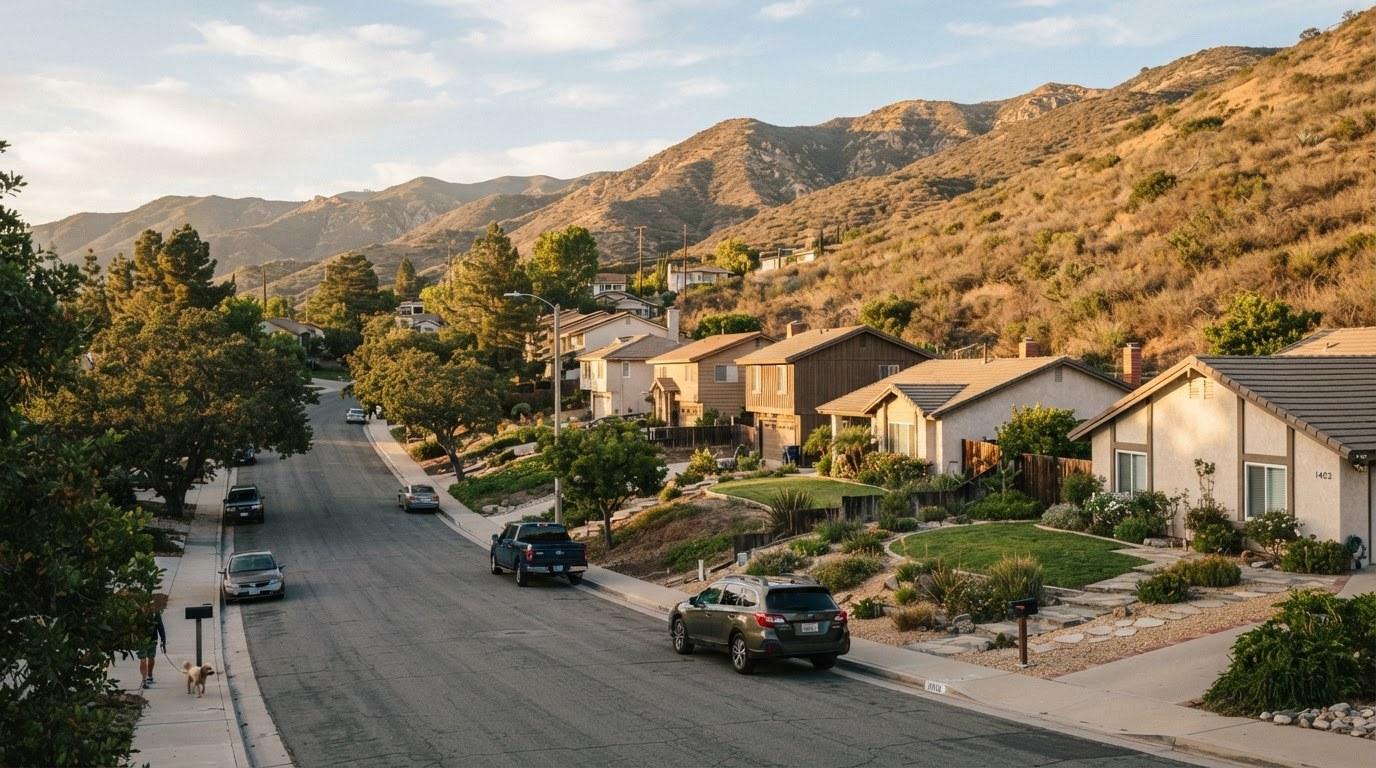
Properties in the western San Fernando Valley, the Santa Monica Mountains corridor, and foothill communities throughout Southern California frequently trigger multiple “yes” answers on the NHD form. Sellers in these areas should plan for buyer questions about wildfire insurance availability and costs, since the California FAIR Plan has become the primary insurer for many high-fire-risk properties as of 2024.
How Much Does an NHD Report Cost and What Affects the Price?
In the California market, NHD reports from third-party companies typically range from $75 to $175 for a standard residential property. The price varies based on the number of supplemental disclosures included, the county, and whether rush processing is requested. Some full-service disclosure packages bundled with other required reports can run from $150 to $300 or more.
Several factors move the price within that range:
- Supplemental local disclosures: Adding county-specific overlays, airport influence zones, or local ordinance disclosures increases the report cost but reduces seller liability exposure.
- Rush processing: Standard turnaround is two to five business days. Rush orders completed in 24 hours typically carry a surcharge of $25 to $50.
- Property type: Multi-unit or commercial properties may require more extensive mapping research and cost more than a single-family home report.
- NHD company selected: Pricing varies across providers. The most commonly used companies in California include Property I.D., First American Natural Hazard Disclosures, and Disclosure Source, though sellers should compare current pricing at time of order.
The NHD report cost is almost always paid by the seller and is typically a closing cost line item. It is a small expense relative to the legal protection it provides. For context, a post-closing lawsuit over an undisclosed flood zone can easily cost a seller tens of thousands of dollars in legal fees and damages. Request a custom quote from your listing agent or a licensed NHD company to get current pricing for your specific property and county.
A post-closing lawsuit over an undisclosed flood zone can easily cost a seller tens of thousands of dollars in legal fees and damages, making the typical $75 to $175 report cost one of the best investments in a transaction.
Sellers should also budget for any remediation costs that disclosures may reveal. For example, a property in a Very High Fire Hazard Severity Zone must meet California’s defensible space requirements under Public Resources Code Section 4291, which requires cleared vegetation within 100 feet of the structure. Buyers often request proof of compliance, and sellers who address this before listing avoid last-minute negotiation pressure.
Ready to Sell? Get Expert Help from Realtor David
Navigating California’s disclosure requirements is one of the most detail-intensive parts of selling a home. Missing a form, delivering it late, or misreading a hazard zone map can put your entire transaction at risk.
Realtor David works with sellers across Southern California to make sure every required disclosure, including the NHD report, is ordered, reviewed, and delivered correctly before the transaction moves forward. Protect your sale and your peace of mind by working with an agent who treats compliance as a priority, not an afterthought.
Call (818) 421-2170 to schedule your seller consultation. Get your disclosures right from day one.
Frequently Asked Questions
Who is responsible for providing the natural hazard disclosure report in California, the buyer or the seller?
The seller is responsible for providing the Natural Hazard Disclosure Statement in California. This is required under California Civil Code Section 1103 and must be delivered to the buyer before the purchase agreement is signed or contingencies are removed. The seller's listing agent typically helps coordinate the report, but the legal obligation rests with the seller.
How long is a California NHD report valid for?
There is no fixed expiration date written into California law, but an NHD report is considered current only for the transaction it was ordered for. If a home was listed previously and the sale fell through, sellers should order a new report for the next transaction because hazard zone maps, especially CAL FIRE fire severity maps, are updated regularly. Using a report from a prior sale or refinance is not considered valid disclosure.
Can a buyer cancel a purchase because of what the natural hazard disclosure report shows?
Yes. Under California Civil Code Section 1103.3, a buyer has three calendar days after personal delivery of the NHD report, or five days after it is mailed, to rescind their offer. This right applies regardless of what the report shows. After that window closes, the buyer cannot cancel based solely on NHD findings unless they can show the information was withheld or misrepresented.
Do I need a natural hazard disclosure report if I am selling a condo in California?
Yes. California's NHD requirement applies to most residential property sales, including condominiums and townhomes. The six statutory hazard zones are mapped at the parcel level, so a condo unit's address is checked against the same state and federal maps used for single-family homes. Your NHD company will use the building's assessor parcel number to generate the report.
What happens if my property is in a Very High Fire Hazard Severity Zone in California?
If your property is in a Very High Fire Hazard Severity Zone, the NHD report will show a 'yes' for that zone, and you must disclose this to the buyer. You are also required under California law to maintain defensible space within 100 feet of the structure under Public Resources Code Section 4291. Buyers will likely ask about wildfire insurance availability and costs, which have become a significant issue in Southern California as of 2024. Working with a knowledgeable listing agent helps you prepare for these buyer concerns before they become negotiation problems.