Signs You Need Home Selling Assistance in the Market
Selling a home in the Agoura Hills market is more complex than most sellers expect, and missing the early warning signs can cost you tens of thousands of dollars. This guide walks you through the specific signals that it is time to get professional help.
Why Is Selling a Home in the area So Complicated?
Selling a home looks simple from the outside, but the Agoura Hills real estate market has layers that trip up even experienced sellers. Neighborhood boundaries, school-district lines, and proximity to open space can shift a home’s value by 10 to 20 percent within just a few blocks.

Los Angeles County’s western edge, where Agoura Hills sits, has a housing stock that ranges from 1970s tract homes to newer custom builds. Buyers in this corridor are often relocating from denser parts of Southern California and have very specific expectations about finishes, lot size, and commute access to the 101 freeway. That mix of buyer profiles makes pricing and marketing more nuanced than in a more uniform market.
California’s disclosure requirements add another layer. Under California Civil Code Section 1102, sellers must complete a Transfer Disclosure Statement covering everything from known defects to neighborhood nuisances. Missing or incomplete disclosures can unravel a deal weeks into escrow, long after you have turned down other offers. If you are already feeling uncertain about any part of this process, the signs you need home selling assistance may already be present.
What Are the Warning Signs You Need Home Selling Assistance?
The most common signs you need home selling assistance are a stale listing, a string of low offers, pricing confusion, and difficulty managing the paperwork or showings on your own. Catching these signals early can save you months of frustration and real money at the closing table.
Watch for these specific warning signs:
- Your listing has been active for more than 30 days without an accepted offer: In a healthy market, well-priced homes in this region typically receive serious interest within the first 2 to 3 weeks. Sitting longer signals a pricing or marketing problem.
- You keep receiving offers 5 to 10 percent below your asking price: Occasional low offers are normal, but a pattern means buyers see a gap between your price and the home’s perceived value.
- You are unsure how to price the home at all: Without access to recent comparable sales data (comps), it is almost impossible to set a price that is both competitive and protective of your equity.
- Showings are sparse or feedback from buyers is consistently negative: Low foot traffic after the first two weeks is a red flag. Negative feedback about condition or price that you are not acting on compounds the problem.
- You feel overwhelmed by the paperwork: California’s seller disclosure package alone can run 100 or more pages. Errors or omissions create legal exposure.
- You do not have a marketing plan beyond a yard sign or a basic online post: Most buyers in this price range begin their search on platforms like Zillow, Redfin, and the MLS. Without professional photography and MLS access, your home is invisible to a large share of qualified buyers.
- A deal has already fallen out of escrow: A failed escrow is a serious signal. It often points to inspection surprises, appraisal gaps, or disclosure issues that a professional agent would have anticipated and managed.
- You are trying to sell while also buying another home: Coordinating two transactions simultaneously, including contingencies and closing timelines, is one of the most stressful scenarios in real estate and almost always benefits from professional coordination.
For a broader look at these signals across different seller situations, the team at Realtor David has published a detailed hub guide: Signs You Need Home Selling Assistance (And What to Do About It). The sections below go deeper on the specific dynamics of the Agoura Hills corridor market.
How Do You Know If Your Home Is Priced Correctly?
Your home is likely mispriced if it has been listed for more than 21 days with fewer than 5 serious inquiries, or if every offer you receive is more than 4 percent below your asking price. Pricing is the single biggest lever in a home sale, and it is the area where sellers without professional data most often leave money behind or overshoot and stall.
In Los Angeles County’s western communities, price per square foot can vary by 15 to 25 percent depending on the specific neighborhood, lot size, and school assignment. A home on one side of a school-district boundary can command a meaningfully different price than an otherwise identical home two streets away. Without pulling the last 90 days of closed comparable sales, adjusted for square footage, lot size, age, and condition, any price you set is essentially a guess.
Our team reviews comparable sales data on every listing consultation, and we consistently see sellers who price without comps leave between $20,000 and $50,000 on the table or overprice by a similar margin and end up chasing the market down with reductions. A price reduction after more than 30 days on market signals distress to buyers and almost always results in a lower final sale price than correct pricing from day one would have produced.
A price reduction after more than 30 days on market signals distress to buyers and almost always results in a lower final sale price than correct pricing from day one would have produced.
The table below shows how common pricing mistakes affect your outcome:
| Pricing Scenario | Likely Outcome | Risk Level |
|---|---|---|
| Priced 5% above market from day one | Low traffic, price reduction after 30+ days, lower final price | High |
| Priced at market with comps support | Strong early traffic, competitive offers within 2 to 3 weeks | Low |
| Priced 3 to 5% below market strategically | Multiple offers, potential to close above asking | Low to moderate (requires skilled negotiation) |
| Priced without any comp analysis | Unpredictable results, high risk of leaving equity behind | Very high |
What Can You Handle Yourself When Selling a Home?
Sellers can manage several tasks on their own, including basic decluttering, cosmetic touch-ups, and gathering documents like HOA records and permit histories. Doing this prep work before an agent gets involved can actually speed up your timeline and reduce costs.
Here are the tasks most sellers can reasonably handle without professional help:
- Declutter and depersonalize: Remove personal photos, excess furniture, and anything that makes rooms feel smaller. Buyers need to visualize themselves in the space.
- Complete minor repairs: Fix leaky faucets, patch small holes in drywall, replace burnt-out bulbs, and touch up scuffed paint. These small items show up on inspection reports and give buyers a reason to negotiate.
- Gather your paperwork: Pull together your most recent HOA statements, any permits for work done on the property, your current mortgage payoff statement, and your most recent property tax bill.
- Research your neighborhood: Look at recent sales in your immediate area to get a general sense of where prices are landing. This will help you have a more productive conversation with an agent.
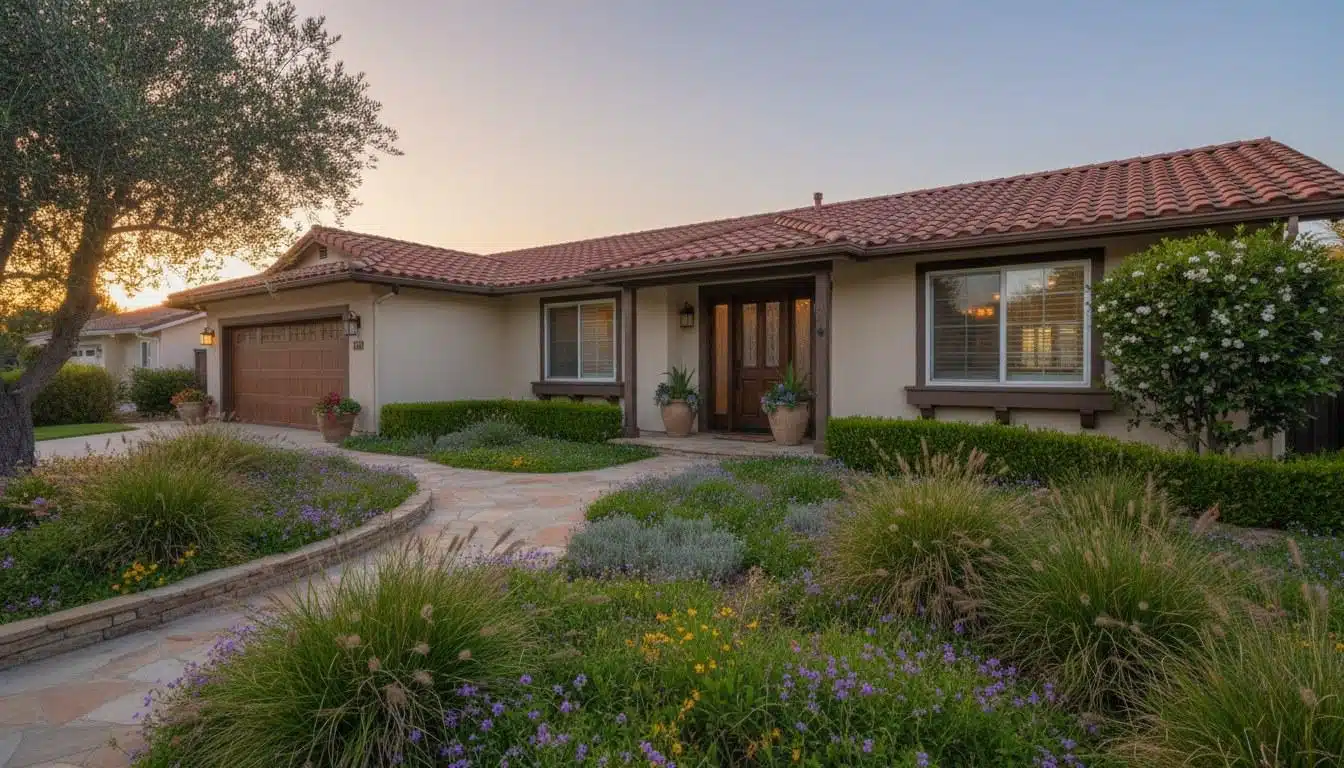
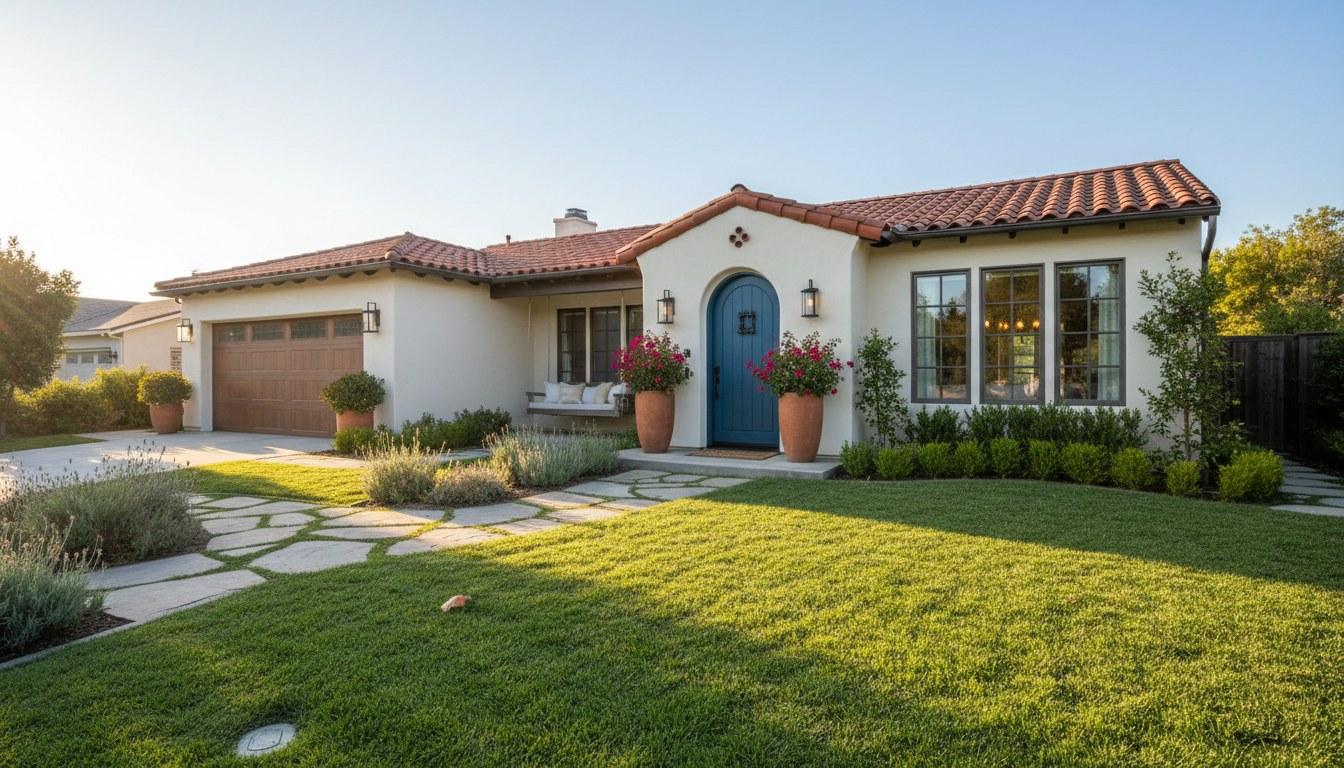
- Assess curb appeal honestly: Walk up to your home the way a buyer would. Note the condition of the landscaping, the front door, the driveway, and the exterior paint. First impressions affect offers.
What sellers typically cannot handle effectively on their own includes professional photography, MLS listing access, legal disclosure compliance, buyer qualification, offer negotiation, and escrow coordination. Those are the stages where the cost of a mistake is highest.
When Should You Call a Professional Real Estate Agent?
Call a licensed California real estate agent as soon as your home has been on the market for 3 weeks without a solid offer, or before you list if you have never sold a home in this state before. California’s real estate transaction process is among the most document-intensive in the country, and the window to correct errors is narrow once a buyer is in escrow.
Specific situations that require professional help right away include:
- Inherited properties: Probate sales in California follow a separate legal process and timeline. Missteps can delay closing by 3 to 6 months.
- Divorce-related sales: Both parties must agree on pricing, timing, and proceeds distribution. A neutral agent can keep the transaction moving when communication between parties is difficult.
- Homes with deferred maintenance or known defects: An agent experienced with as-is sales can help you price correctly and manage disclosure obligations to reduce legal exposure.
- Short sales or pre-foreclosure situations: These require lender approval and specialized negotiation skills that go well beyond a standard sale.
- Luxury or high-value properties: Buyers at higher price points expect a professional marketing presentation. For guidance specific to that segment, see the Luxury Seller’s Guide to Home Selling Assistance.
California requires that real estate agents hold a valid license issued by the California Department of Real Estate (CalDRE). Before you sign a listing agreement, verify the agent’s license status is current and in good standing. This takes about 60 seconds on the CalDRE public lookup tool and protects you from working with someone who is operating without authorization.
How Does a Listing Agent Actually Help You Sell Faster and for More?
A skilled listing agent typically shortens your time on market by 30 to 50 percent compared to an unassisted sale, and studies from the National Association of Realtors consistently show that agent-assisted sales close at higher prices than for-sale-by-owner transactions. The gap is not small: as of 2023 NAR data, the median FSBO sale price was roughly 13 to 15 percent lower than the median agent-assisted sale price.
Here is what a professional listing agent brings to your transaction:
- Accurate comparative market analysis (CMA): A CMA pulls closed sales from the last 60 to 90 days, adjusts for square footage, lot size, condition, and upgrades, and gives you a defensible price range backed by data.
- MLS access and syndication: Your listing reaches thousands of buyer’s agents and is syndicated to major consumer portals within 24 to 48 hours of going live.
- Professional photography and staging guidance: Homes with professional photos receive 61 percent more online views according to research cited by the National Association of Realtors. More views translate directly to more showings.
- Offer review and negotiation: An experienced agent reads the full offer package, including contingencies, financing terms, and inspection timelines, not just the price. A higher-priced offer with weak financing or a long contingency period can be riskier than a slightly lower clean offer.
- Transaction management through escrow: California escrow periods typically run 30 to 45 days. During that window, the agent coordinates inspections, appraisals, lender conditions, and title work to keep the deal on track.
- Disclosure compliance: California’s seller disclosure requirements, including the Transfer Disclosure Statement, the Natural Hazard Disclosure, and any local supplemental disclosures, must be completed accurately. An agent guides you through each form and flags anything that needs documentation.
Across our listing consultations in the region, we see sellers who come to us after a failed FSBO attempt averaging 47 days of lost market time before re-listing with professional representation. That lost time almost always results in a lower final sale price because buyers perceive a re-listed home as having a problem, even when the only issue was a lack of professional marketing from the start.
If you are selling in a gated community or a neighborhood with an active HOA, there are additional considerations around HOA document delivery timelines and buyer review periods. The article Signs You Need Home Selling Assistance in a Gated Community covers those specifics in detail.
Ready to Sell? Get Expert Help From Realtor David
If you recognize any of the signs you need home selling assistance described in this guide, the right move is to get a professional evaluation before more time passes. Every week a home sits unsold costs you carrying costs, and every price reduction signals weakness to buyers.
Realtor David serves homeowners across Los Angeles County and the surrounding Southern California communities with data-driven pricing, full MLS marketing, and hands-on transaction management from listing day through close of escrow. Schedule your no-obligation listing consultation today.
Call (818) 421-2170 to speak directly with Realtor David. Get a current market analysis for your home, a clear pricing recommendation backed by real comps, and a straight answer about what your home can realistically sell for in today’s market.
Frequently Asked Questions
How long should my home be on the market before I get help from a real estate agent?
If your home has been listed for more than 21 to 30 days without a solid offer, that is a clear signal to bring in a professional. In the Agoura Hills area and surrounding Los Angeles County communities, well-priced homes typically generate serious interest within the first 2 to 3 weeks. Waiting longer usually means the listing goes stale and buyers assume something is wrong with the property.
What does a listing agent actually cost when selling a home in California?
Real estate commission structures in California are negotiable and have evolved following recent industry changes. Traditionally, total commission was shared between the listing agent and the buyer's agent, typically ranging from 4 to 6 percent of the sale price. The best way to understand your specific cost is to request a written breakdown during a listing consultation with Realtor David at (818) 421-2170.
Can I sell my home without an agent in California?
Yes, California law allows homeowners to sell their property without a licensed agent in what is called a for-sale-by-owner (FSBO) transaction. However, you are still legally required to complete all mandatory disclosures, including the Transfer Disclosure Statement, and to comply with California's escrow and title requirements. Data from the National Association of Realtors shows FSBO homes consistently sell for less than agent-assisted homes, often by 13 percent or more.
What are the most common mistakes sellers make in the Agoura Hills market?
The three most common mistakes are overpricing based on emotion rather than comparable sales data, skipping professional photography, and underestimating California's disclosure requirements. In a market where school-district boundaries and neighborhood characteristics can shift value by 10 to 20 percent within a few blocks, pricing without local data is especially risky. A licensed agent with current market knowledge can help you avoid all three.
How do I know if my home needs staging before I list it?
If your home has been lived in for several years, has personalized decor, or has rooms that feel crowded or dark, staging will almost certainly improve your results. Professional staging or even basic decluttering and furniture rearrangement helps buyers visualize the space as their own. Homes with professional staging and photography receive significantly more online views and showings, which directly increases your chances of receiving competitive offers.