Buying a Home in California in 2026: Costs, Neighborhoods, and Timing
Home prices across California vary widely by neighborhood, property type, and timing, and 2026 brings its own set of market conditions every buyer should understand before making an offer.
What Does Buying a Home in California in 2026 Actually Cost?
The buying a home California 2026 cost starts well above the national median. In suburban Los Angeles County communities, buyers should expect purchase prices ranging from roughly $850,000 to over $2.5 million depending on neighborhood, size, and condition. Closing costs typically add another 2 to 5 percent of the purchase price on top of the down payment.
Beyond the sticker price, buyers carry property taxes, homeowner’s insurance, and, in many planned communities, monthly HOA fees that can range from $150 to over $600 per month. Understanding all of these layers is critical before you make an offer.
Down payment expectations have also shifted. Conventional loans typically require 5 to 20 percent down, while FHA loans backed by the U.S. Department of Housing and Urban Development allow as little as 3.5 percent for qualified buyers. In a competitive market, however, larger down payments often strengthen an offer.
| Scenario | Typical Market Range | What’s Usually Included |
|---|---|---|
| Entry-level condo or townhome, suburban LA County | $600,000 to $850,000 | 2 bed / 2 bath, HOA community, shared amenities |
| Single-family home, established neighborhood | $950,000 to $1.6 million | 3-4 bed, private yard, 1,800 to 2,800 sq ft |
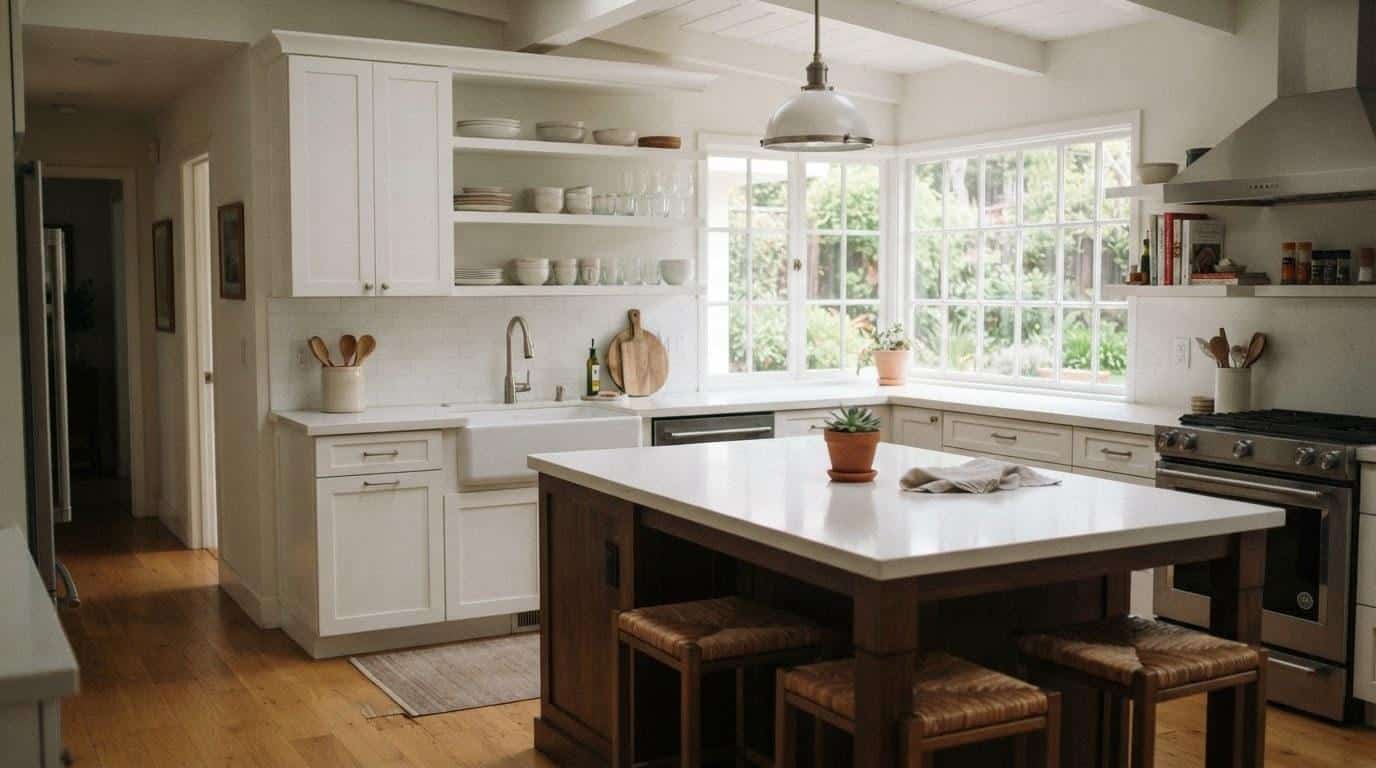
| Larger or updated single-family home, premium street | $1.6 million to $2.5 million | 4-5 bed, updated kitchen and baths, pool or views |
| Luxury or lakefront property | $2.5 million and above | Custom finishes, private dock access, premium lot |
| Closing costs (all scenarios) | 2 to 5 percent of purchase price | Escrow, title, lender fees, prepaid taxes and insurance |
What Factors Drive Home Prices in Suburban Los Angeles Markets?
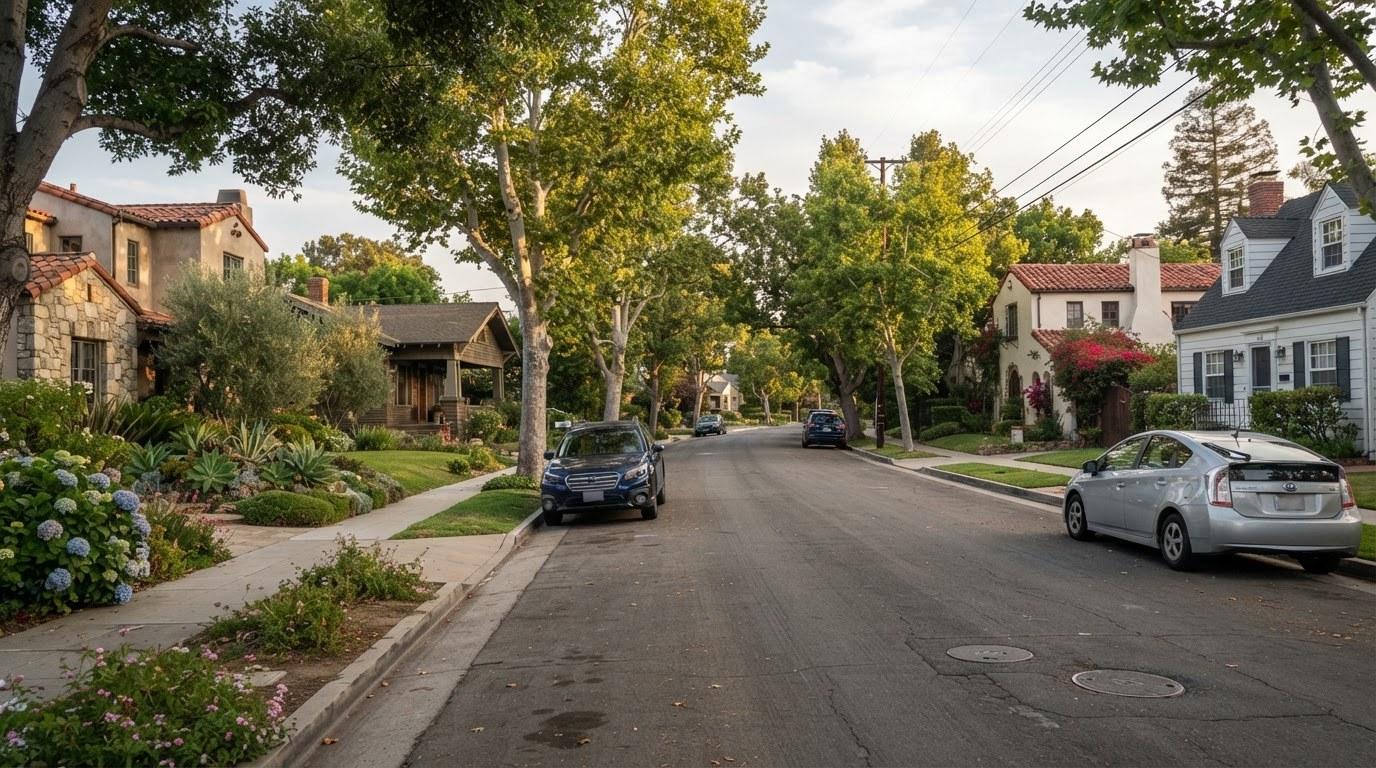
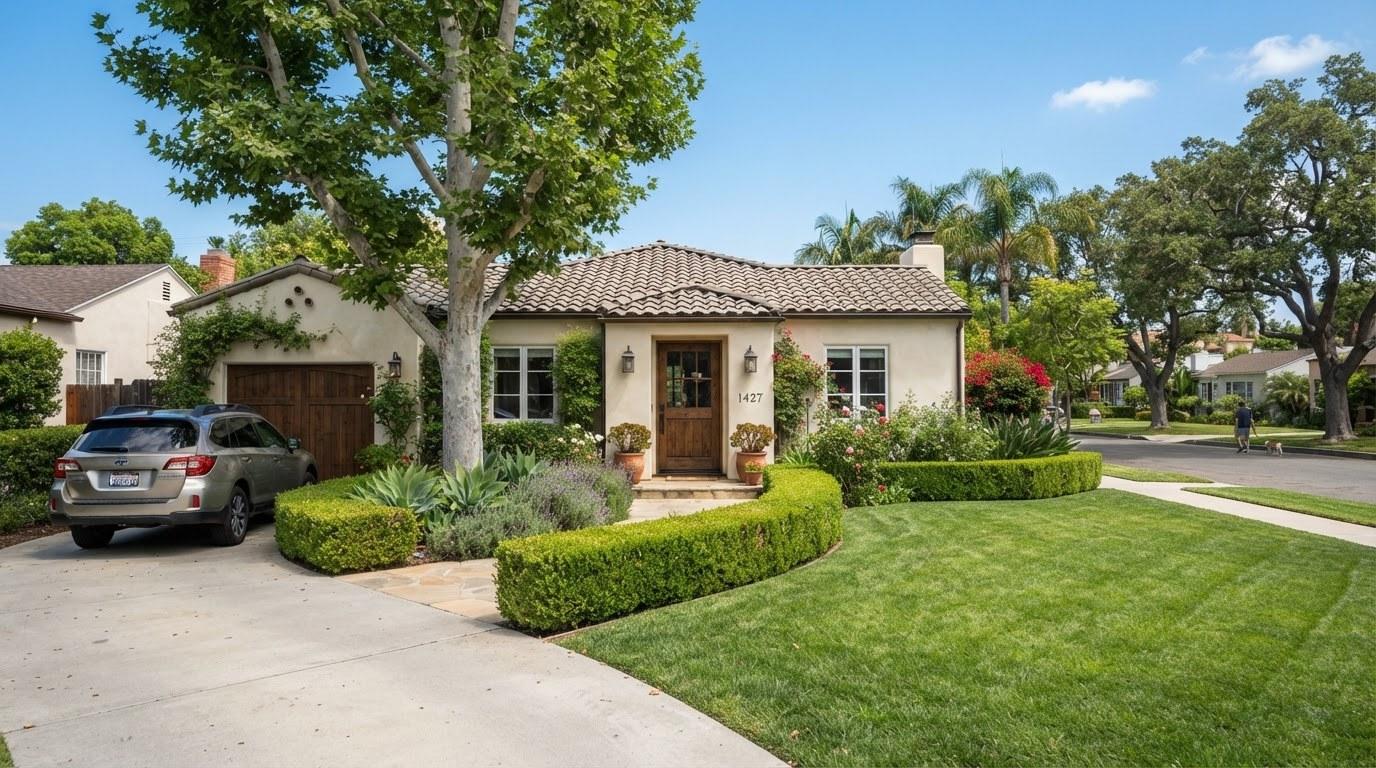
Location within a community, school district boundaries, lot size, and property condition are the four biggest price drivers in suburban Los Angeles County markets. A home on a quiet cul-de-sac in a top-rated school zone can command a premium of 10 to 20 percent over a comparable home on a busier street in the same ZIP code.
In our experience, the listings that stall are the ones priced before the inspection, because the first price reduction then lands while the home is still new on the market and buyers treat that as a signal something is wrong.
- School district rating: Homes zoned for high-performing districts in Las Virgenes Unified or Conejo Valley Unified consistently attract more offers and sell faster.
- Lot size and usable outdoor space: Flat, usable yards add measurable value in markets where outdoor living is year-round. Hillside lots with views can cut both ways, adding appeal but also raising insurance costs.
- HOA and community amenities: Gated communities, lake access, and tennis or pool facilities raise monthly carrying costs but also support resale value.
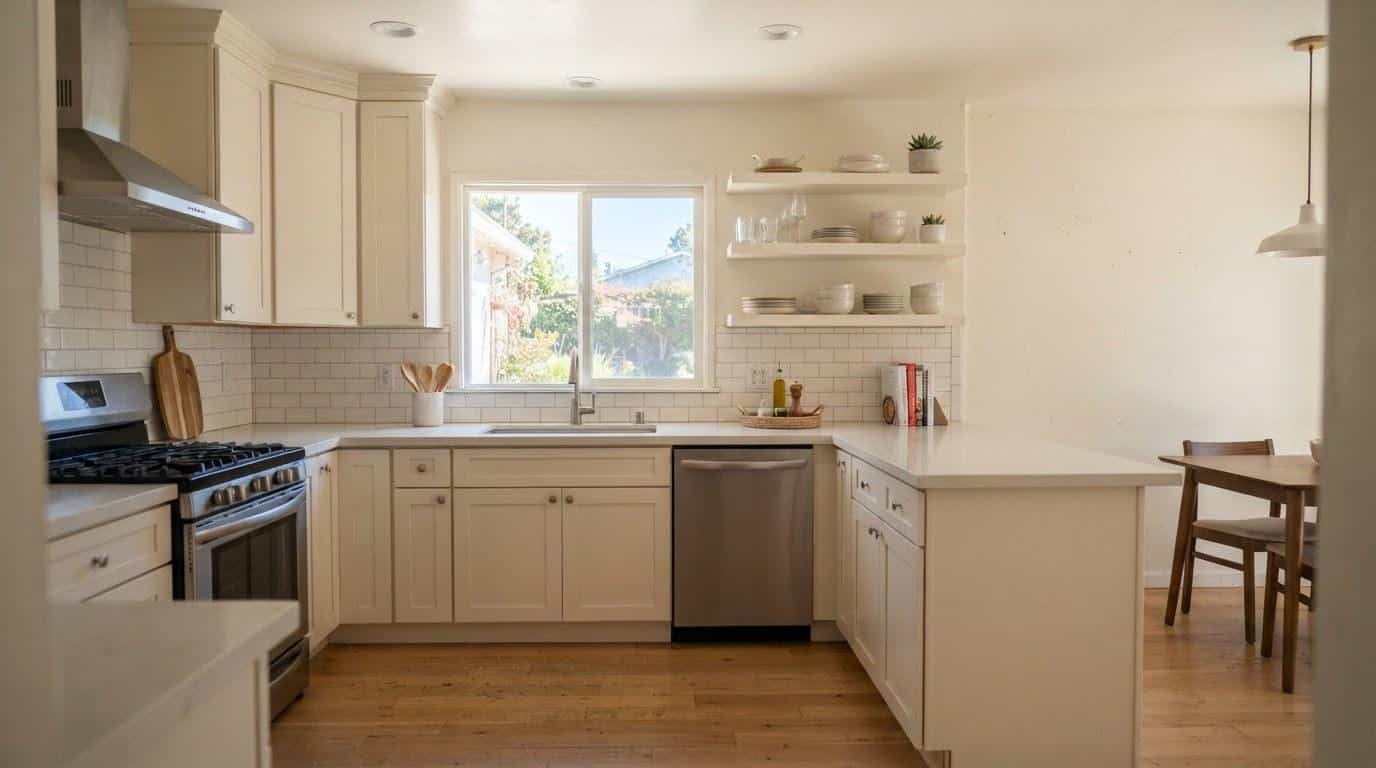
- Condition and update level: Fully updated kitchens and primary baths, newer HVAC, and a recent roof can add $50,000 to $150,000 to a comparable sale in this price range.
- Interest rate environment: As of 2026, 30-year fixed mortgage rates remain a key variable. Even a half-point rate difference changes a buyer’s monthly payment by hundreds of dollars on a million-dollar loan.
- Days on market: Homes that sit longer than 30 days often see price reductions of 3 to 8 percent, which can create negotiating room for prepared buyers.
What Are the Main Neighborhoods and Property Types in Westlake Village?
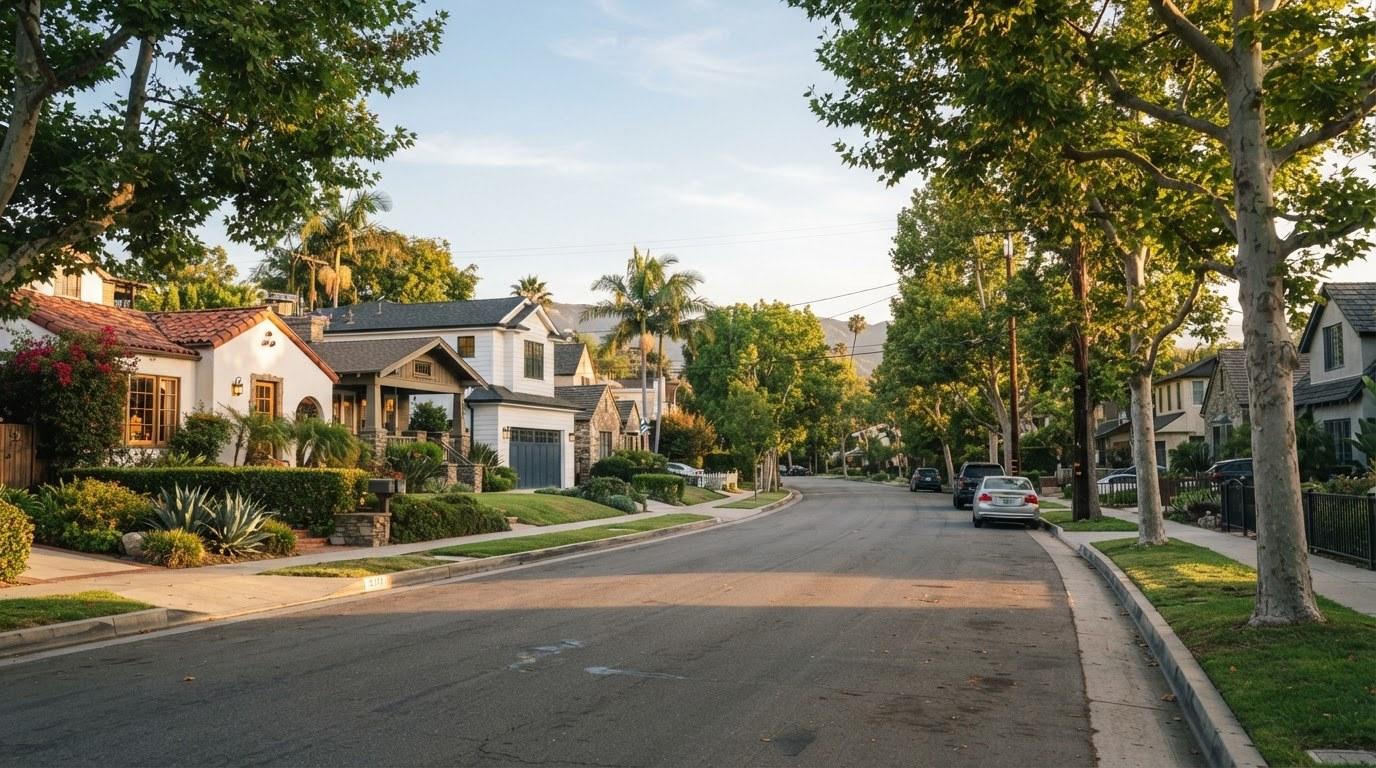
Westlake Village sits on the Los Angeles County and Ventura County border and is organized around several distinct neighborhoods, each with its own price range and lifestyle character. The community is known for its master-planned layout, lake, golf courses, and access to both the 101 freeway and the Santa Monica Mountains.
Buyers searching for homes for sale in Westlake Village CA typically encounter four broad neighborhood types.
- Westlake Island: A private, gated island community with direct lake frontage. Properties here are among the most sought-after in the area and regularly trade above $2 million. Dock access and water views are the defining features.
- North Ranch: An upscale enclave in the Ventura County portion of the community, featuring larger lots, equestrian-adjacent properties, and custom homes. Prices typically range from $1.5 million to well above $3 million.
- The Terrace and Lakeview Canyon: More accessible single-family neighborhoods with homes generally ranging from $950,000 to $1.6 million. These areas appeal to families prioritizing school access and commute convenience.
- Townhome and condo communities: Several planned communities offer attached housing starting around $600,000 to $850,000, making them the most common entry point for first-time buyers in this market.
Buyers also occasionally search for homes for rent in Westlake Village CA as a way to live in the area while evaluating neighborhoods before committing to a purchase. Rental inventory is limited compared to for-sale inventory, which means purchase decisions often move faster than buyers expect.
What First-Time Home Buyer Programs Are Available in California?
California offers several active first-time home buyer programs in 2026 that can reduce the upfront cost of purchasing a home, including down payment assistance, below-market interest rate loans, and shared-appreciation programs. Eligibility generally depends on income limits, purchase price caps, and whether the buyer has owned a home in the past three years.
The California Housing Finance Agency (CalHFA) administers the most widely used programs in the state. Key options include:
- CalHFA MyHome Assistance Program: Provides a deferred-payment junior loan of up to 3.5 percent of the purchase price or appraised value to cover down payment or closing costs. No monthly payments are required until the home is sold, refinanced, or paid off.
- CalHFA Dream For All Shared Appreciation Loan: Covers up to 20 percent of the purchase price. When the home is eventually sold, the buyer repays the original loan plus a share of the home’s appreciation. This program has been oversubscribed in prior years and opens in limited rounds.
- FHA loans: Allow down payments as low as 3.5 percent for buyers with credit scores of 580 or higher. Mortgage insurance premiums apply and add to the monthly cost.
- VA loans: Available to eligible veterans and active-duty service members with no down payment required and no private mortgage insurance.
- USDA loans: Apply to properties in designated rural areas; most of Los Angeles County’s suburban communities do not qualify, but parts of Ventura County may.
First-time homeowner programs often have income ceilings that disqualify buyers in high-cost markets. In Los Angeles County, income limits for many CalHFA programs cap household income at roughly $180,000 to $220,000 depending on household size, as of 2025 guidelines. Buyers should verify current limits directly with CalHFA or a qualified lender before applying.
The mortgage interest deduction remains available to itemizing taxpayers and can reduce federal tax liability during the early years of a loan when interest payments are highest. Additionally, the Inflation Reduction Act federal tax credit introduced energy-efficiency incentives that can offset costs on qualifying home upgrades after purchase.
What Is Seller Assist and How Does It Help Buyers?
Seller assist, sometimes called a seller concession, is an agreement where the home seller covers a portion of the buyer’s closing costs as part of the purchase contract. This reduces the cash a buyer needs to bring to closing without changing the sale price on paper.
In practice, a buyer might negotiate a seller assist of 2 to 3 percent of the purchase price. On a $1.2 million home, that equals $24,000 to $36,000 applied toward escrow fees, lender origination charges, prepaid property taxes, and homeowner’s insurance. This is particularly useful for buyers who have enough for a down payment but are stretched on closing costs.
Seller assist works best in a balanced or buyer-friendly market. In a competitive multiple-offer environment, asking for concessions can weaken an offer. A skilled buyer’s agent helps you read current market conditions and structure the request in a way that does not cost you the home.
In a competitive multiple-offer environment, asking for concessions can weaken an offer, and a skilled buyer's agent helps you structure the request in a way that does not cost you the home.
- Conventional loan limits: Fannie Mae and Freddie Mac cap seller concessions at 3 percent of the purchase price for loans with less than 10 percent down, and up to 6 percent for larger down payments.
- FHA loan limits: Seller concessions are capped at 6 percent of the purchase price.
- VA loan limits: Sellers can contribute up to 4 percent of the purchase price in concessions plus pay all of the buyer’s loan-related closing costs.
How Do You Time a Home Purchase for the Best Price?
The best time to buy in most California suburban markets is late fall through early winter, roughly October through January, when inventory that did not sell during the spring and summer peak sits longer and sellers become more flexible. Spring, particularly March through June, tends to bring the most competition and the highest sale-to-list price ratios.
The buying a home California 2026 cost is also shaped by broader economic conditions. When mortgage rates rise, buyer demand typically softens and negotiating room opens up. When rates drop, competition intensifies quickly. Watching rate trends over a 60 to 90 day window before you begin actively touring homes gives you a clearer read on the environment you will be negotiating in.
Buyers who are pre-approved, not just pre-qualified, move faster when the right home appears. Pre-approval means a lender has verified income, assets, and credit and issued a conditional commitment. In a market where desirable homes for sale in Westlake Village CA can receive multiple offers within days of listing, pre-approval is table stakes.
Pre-approval means a lender has verified income, assets, and credit and issued a conditional commitment, and in a market where desirable homes can receive multiple offers within days of listing, it is table stakes.
A practical timeline for a prepared buyer looks like this:
- Review credit reports and resolve any errors (allow 30 to 60 days for disputes to clear).
- Get fully pre-approved with a lender who can close in 21 to 30 days.
- Define your must-have criteria and target neighborhoods before you start touring.
- Tour homes actively for 30 to 90 days to calibrate your sense of value.
- Make an offer with a competitive earnest money deposit, typically 1 to 3 percent of the purchase price in this market.
- Complete inspections within the contingency period, usually 10 to 17 days after acceptance.
- Close escrow, typically 21 to 45 days after offer acceptance.
According to U.S. Census Bureau housing data, California’s homeownership rate has remained among the lowest in the nation, hovering around 55 percent, which reflects both the high cost of entry and the continued demand that keeps prices elevated even during slower periods.
Get Expert Guidance on Your Home Purchase
Understanding the buying a home California 2026 cost is the first step. Turning that knowledge into a successful purchase requires local expertise, strong negotiation, and a clear strategy tailored to your budget and timeline.
Realtor David works with buyers across Los Angeles County and the surrounding region, from first-time buyers navigating CalHFA programs to move-up buyers evaluating communities like Westlake Village. Whether you are comparing neighborhoods, structuring an offer with seller assist, or trying to understand how current mortgage rates affect your purchasing power, having an experienced buyer’s agent in your corner changes outcomes.
Call Realtor David at (818) 421-2170 to schedule a buyer consultation. Bring your pre-approval letter, your wish list, and your questions. The conversation is free, and the guidance is specific to your situation, not the market averages discussed above.
Frequently Asked Questions
How much money do I actually need to buy a home in California right now?
In most suburban Los Angeles County markets in 2026, buyers should budget for a down payment of 5 to 20 percent of the purchase price plus closing costs of 2 to 5 percent. On a $1 million home, that means having $50,000 to $200,000 for the down payment and an additional $20,000 to $50,000 for closing. First-time buyer programs through CalHFA can reduce the upfront cash requirement for qualifying buyers. Call Realtor David at (818) 421-2170 to walk through what your specific budget can realistically purchase today.
What first-time home buyer programs are available in California in 2026?
California's main first-time buyer programs are administered by CalHFA and include the MyHome Assistance Program, which provides a deferred junior loan for down payment help, and the Dream For All Shared Appreciation Loan, which covers up to 20 percent of the purchase price. FHA loans with 3.5 percent down are also widely used. Income limits apply to most programs, so it is worth checking current CalHFA guidelines or speaking with a lender who specializes in these products.
What does seller assist mean when buying a home?
Seller assist means the seller agrees to pay a portion of your closing costs as part of the purchase deal. It reduces the cash you need to bring to closing without lowering the official sale price. Conventional loans cap seller concessions at 3 to 6 percent of the purchase price depending on your down payment size, and FHA loans allow up to 6 percent. Seller assist is most effective in a slower market where sellers are motivated to attract buyers.
Is Westlake Village a good place to buy a home right now?
Westlake Village consistently ranks as one of the more desirable communities in Los Angeles County because of its top-rated schools, low crime rates, lake and recreation amenities, and access to major freeways. Inventory of homes for sale in Westlake Village CA tends to be limited, which supports prices even during broader market slowdowns. Buyers who are fully prepared with financing and a clear neighborhood preference are best positioned to move quickly when the right property appears.
How long does it take to buy a home in California from start to finish?
A realistic timeline from starting your home search to closing escrow is 3 to 6 months for most buyers. Getting pre-approved takes about 1 to 2 weeks. Active home touring typically runs 30 to 90 days. Once an offer is accepted, escrow closes in 21 to 45 days depending on the loan type and any contingencies. Buyers who are fully prepared before they start touring tend to move through the process faster and with fewer surprises.