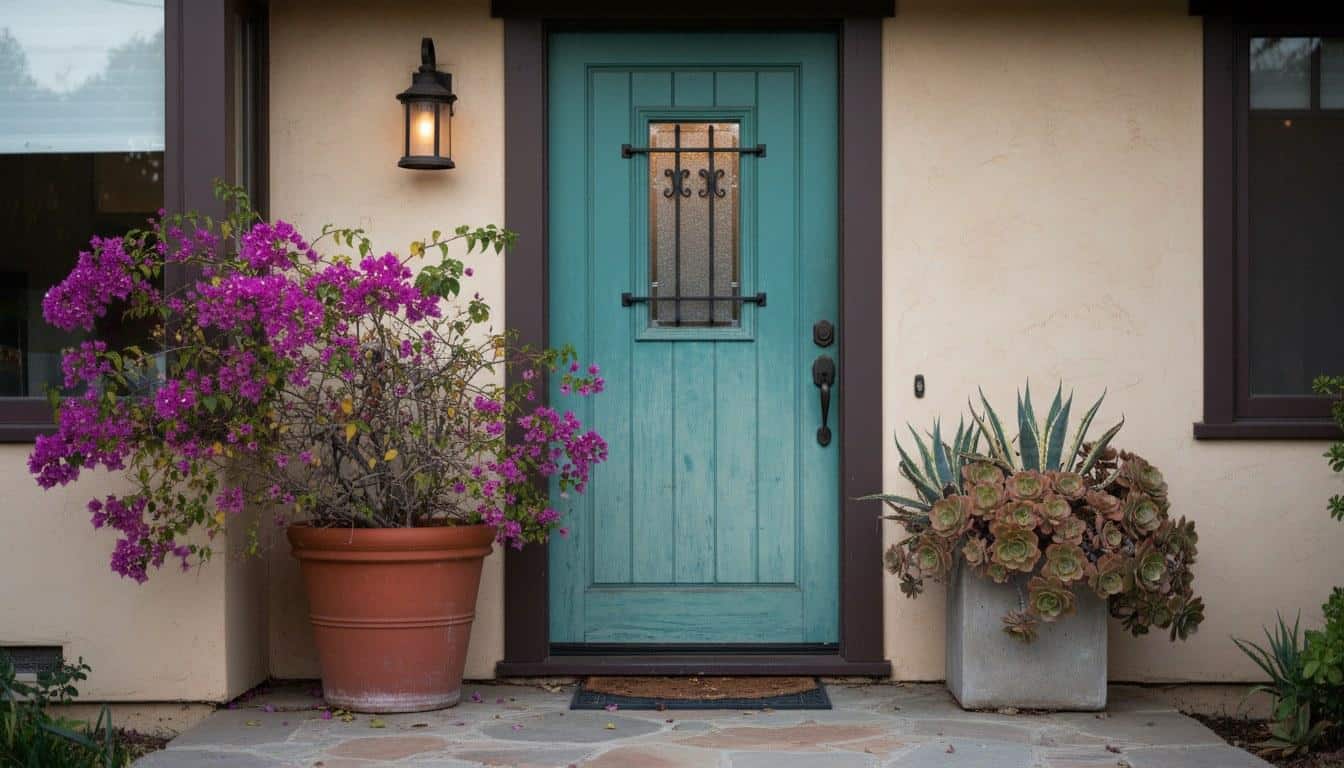
Selling a Home in California This Fall: Timeline, Costs, and Strategy for 2026
Selling a home in California in 2026 costs more than most sellers expect once you add up commissions, repairs, and closing fees. This guide breaks down every cost, the fall selling timeline, and the pricing strategy that gets you to closing without leaving money on the table.
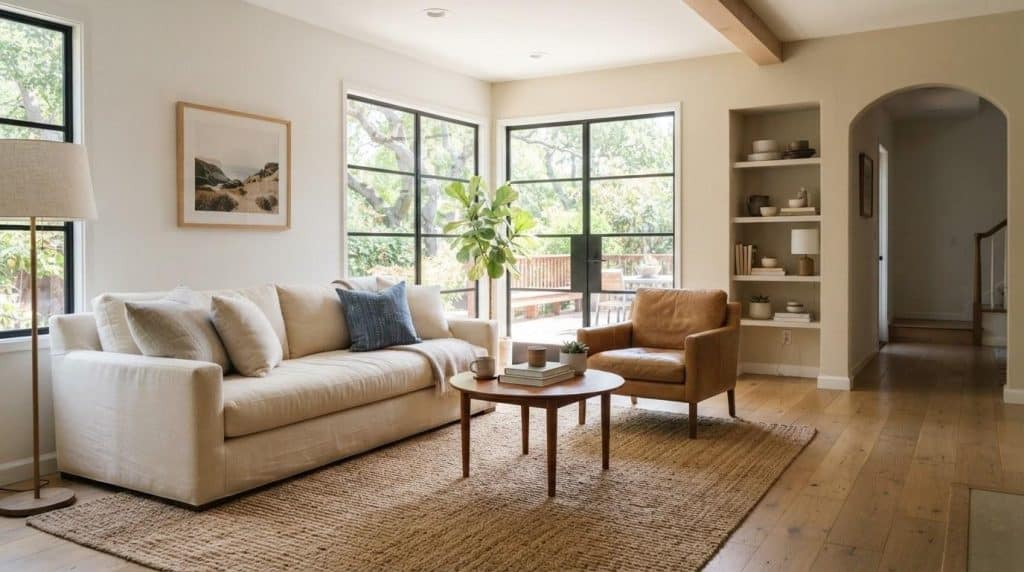
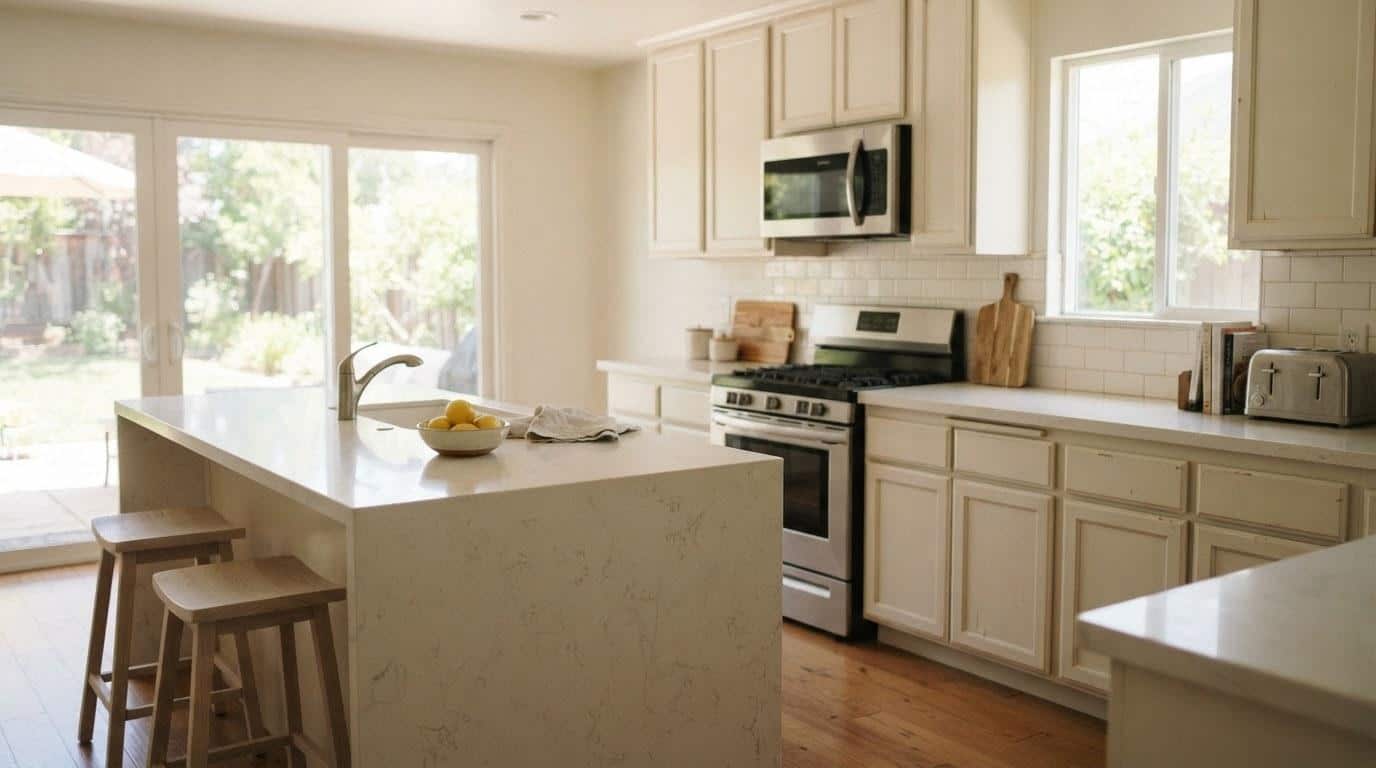
Selling a home in California in 2026 typically costs between 8% and 10% of the final sale price, covering agent commissions, title and escrow fees, transfer taxes, and pre-sale preparation. On a $900,000 home, that range translates to roughly $72,000 to $90,000 in total selling costs before you pocket the remaining equity. Understanding every line item before you list is the single most important step toward protecting your net proceeds.
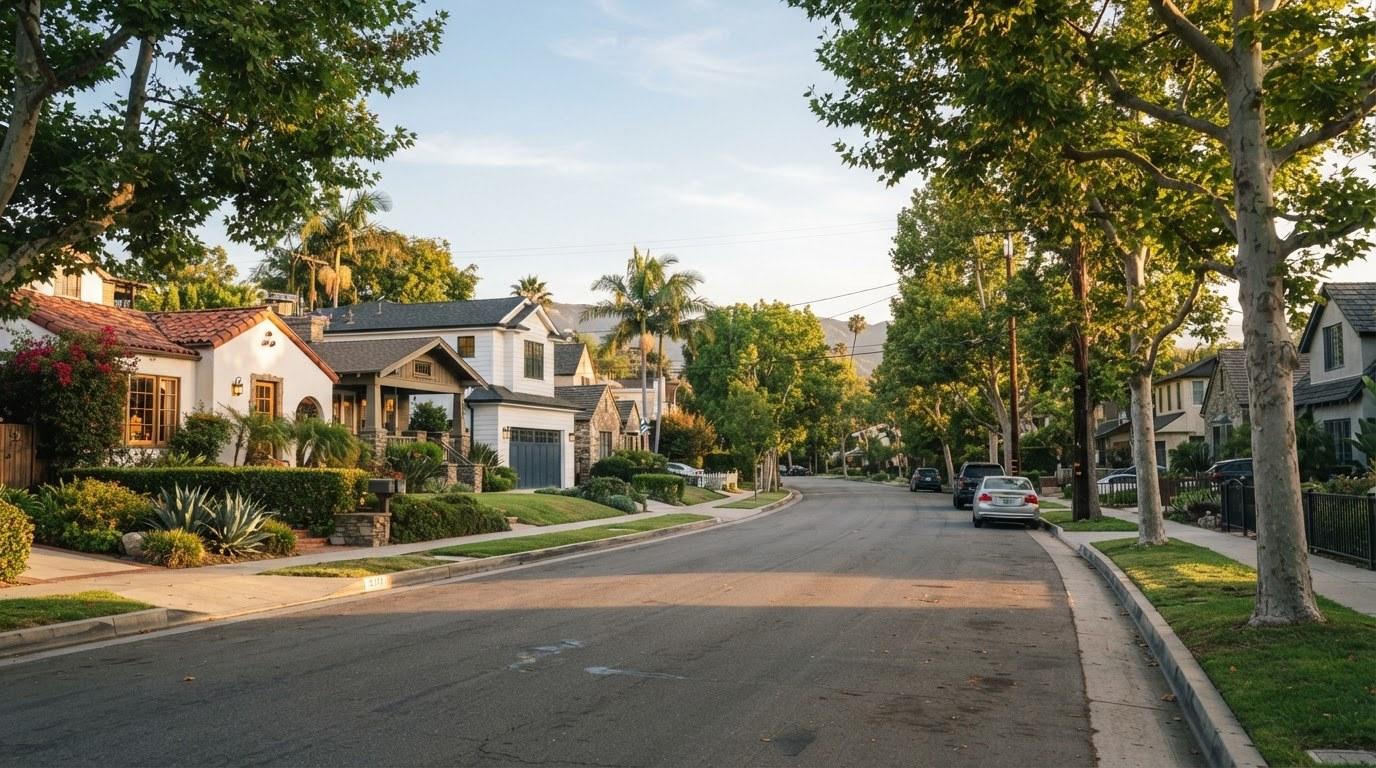
The Los Angeles County market, including communities like Woodland Hills, moves on its own seasonal rhythm. Fall listings that are priced correctly and prepared well consistently outperform homes that sit through the winter. This guide covers the full selling a home california 2026 cost picture, a realistic fall timeline, and the pricing strategy that gives you the best chance of a clean, fast close.
What Does Selling a Home California 2026 Cost?
The total cost of selling a home in California in 2026 generally falls between 8% and 10% of the sale price. The two largest line items are the real estate commission and the seller’s share of title and escrow fees. Here is how the major categories typically break down in the Los Angeles regional market.
| Cost Category | Typical Market Range | What’s Usually Included |
|---|---|---|
| Real estate commission | 4% to 6% of sale price | Listing agent and buyer’s agent fees, MLS access, marketing |
| Title and escrow fees | 1% to 2% of sale price | Title insurance, escrow officer, recording fees |
| California transfer tax | $1.10 per $1,000 of sale price (county rate) | Documentary transfer tax required at closing |
| Pre-sale repairs and staging | 0.5% to 2% of sale price | Paint, landscaping, minor repairs, professional staging |
| Home warranty (optional) | $400 to $700 for a one-year policy | Buyer-requested coverage on systems and appliances |
Commission structures have shifted since the National Association of Realtors settlement changes that took effect in August 2024. Sellers and their agents now negotiate buyer-agent compensation more explicitly. This means the total commission percentage is more flexible than it was in prior years, and sellers should discuss the structure with their agent before signing a listing agreement.
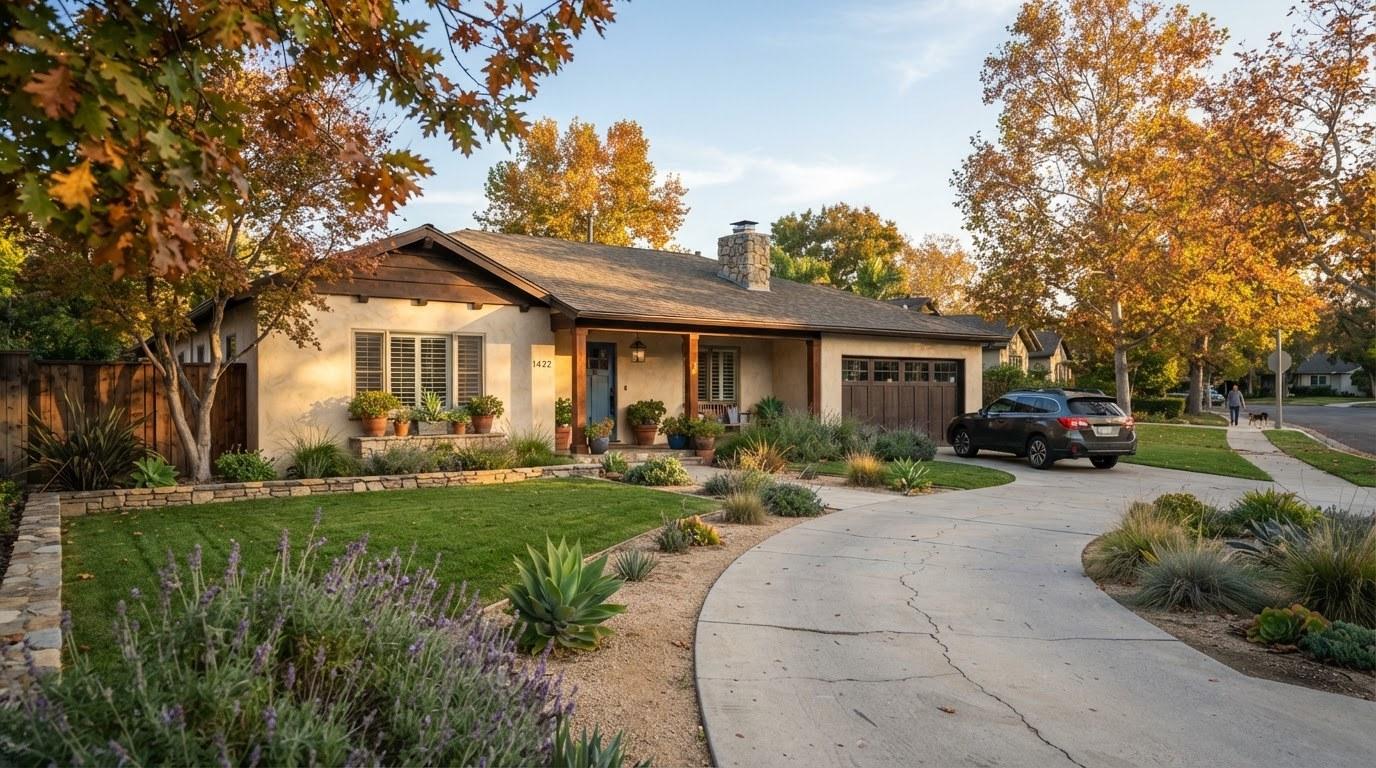
What Factors Move Your Selling Costs Up or Down?
Five main variables determine where your actual costs land within the 8% to 10% range. Knowing them in advance lets you plan your budget and avoid surprises at the closing table.
- Sale price and property type: Higher-priced properties in the Los Angeles County market, including luxury homes and larger single-family residences, often carry a lower effective commission percentage because agents negotiate on larger dollar volumes. Condos, including mid-rise developments, sometimes carry additional HOA transfer fees that single-family sellers do not face.
- Property condition: A home that needs visible deferred maintenance before listing can cost 1% to 3% of its value in pre-sale repairs. Buyers in the current California market request inspection contingencies on nearly every offer, so skipping repairs usually results in a price reduction later rather than savings now.
- Days on market: Homes that sit longer than 30 days typically require at least one price reduction. Each 1% price reduction on a $900,000 home is $9,000 in lost proceeds. A precise opening price is the most cost-effective investment a seller can make.
- Negotiated concessions: Buyers in a slower market often ask the seller to cover 1% to 2% of the purchase price in closing cost credits. In a competitive fall market with low inventory, this concession is less common but still possible.
- Capital gains exposure: California taxes capital gains as ordinary income. The IRS Section 121 exclusion allows up to $250,000 for single filers and $500,000 for married joint filers if you have lived in the home for at least 2 of the past 5 years. Sellers who do not qualify for the full exclusion should consult a tax advisor before closing.
- Staging and photography investment: Professional staging typically costs $1,500 to $4,000 for a three-bedroom home in this market. Homes with professional photos and 3D tours sell faster and closer to asking price, which offsets the staging cost in most cases.
In our experience, the listings that stall are the ones priced before the inspection, because the first reduction then lands while the home is still new on market and buyer attention is highest.
How Long Does It Take to Sell a Home in California This Fall?
A well-prepared fall listing in Los Angeles County typically goes from the first agent consultation to a closed escrow in 60 to 90 days. The preparation phase before the listing goes live takes 2 to 4 weeks on its own. Here is a realistic week-by-week timeline for a seller who starts in late August or early September.
- Weeks 1 to 2: Valuation and listing preparation. Your agent runs a comparative market analysis, you complete a pre-listing inspection, and you identify which repairs to address. Disclosures are prepared during this window.
- Weeks 3 to 4: Repairs, staging, and photography. Minor repairs are completed, the home is professionally staged, and listing photos and video are shot. MLS paperwork is signed.
- Week 5: Active on MLS. The listing goes live, ideally on a Thursday so it captures the weekend buyer traffic. Open houses are scheduled for the first two weekends.
- Weeks 6 to 7: Offer review and acceptance. In a healthy fall market, competitive offers typically arrive within the first 7 to 14 days. You review, negotiate, and accept the strongest offer.
- Weeks 8 to 12: Escrow period. California residential escrows typically run 30 to 45 days. The buyer completes inspections, the lender orders an appraisal, and both parties satisfy contingencies before closing.
Listing in early October gives most sellers a realistic path to closing before Thanksgiving. Listings that go active after mid-November historically see slower traffic through December, with activity picking back up in January.
How Should You Price a Home for the Fall Market?
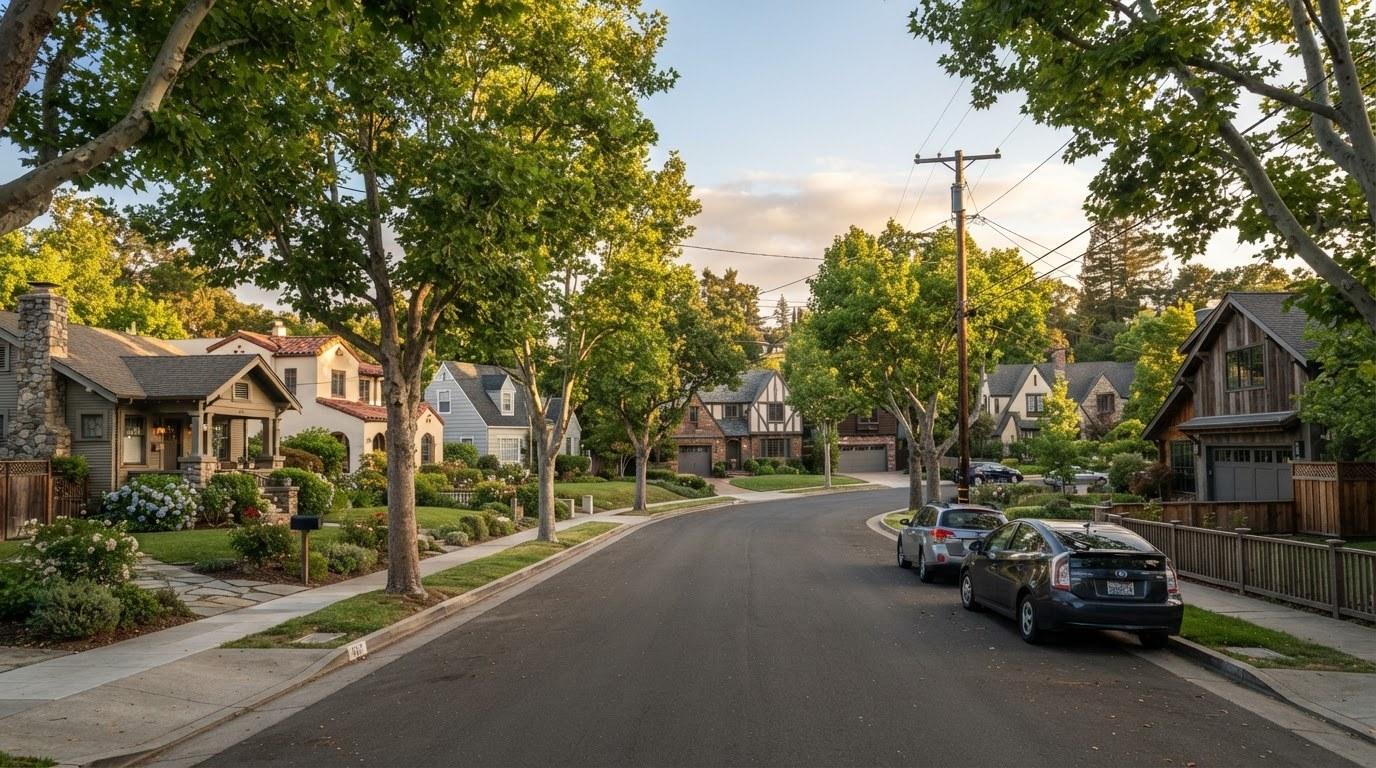
Accurate pricing in the fall California market starts with a comparative market analysis (CMA) that uses sales from the past 90 days, not the past six months. Market conditions shift quickly, and a CMA anchored to spring data can overestimate value in a cooling fall environment or underestimate it when inventory tightens.
The Woodland Hills, CA area and the broader San Fernando Valley carry a wide range of property types, from entry-level condos to large estate-style homes on hillside lots. Each segment has its own absorption rate, meaning the number of months it would take to sell all current inventory at the current pace of sales. A segment with less than 2 months of inventory favors sellers. A segment with more than 4 months of inventory gives buyers more leverage on price.
Three pricing approaches are common in the California fall market:
- At-market pricing: Listing within 1% to 2% of the CMA median. This is the most reliable path to a sale within 30 days and is the right strategy when inventory in your segment is below 3 months.
- Slightly under-market pricing: Listing 2% to 4% below the CMA median to generate multiple offers. This works best in low-inventory, high-demand segments where competition among buyers can push the final price above asking. It carries risk if buyer competition is softer than expected.
- Aspirational pricing: Listing above the CMA median based on unique features or recent upgrades. This approach requires a longer marketing window and a willingness to reduce if the market does not respond within 14 to 21 days.
The California Association of Realtors market data tracks median days on market and sale-to-list price ratios by county, which gives sellers a useful benchmark for how their segment is performing heading into fall 2026.
What Costs Are NOT Included in the Standard Estimate?
Several costs catch California sellers off guard because they fall outside the standard 8% to 10% estimate. Planning for these in advance prevents a shortfall at the closing table.
- HOA transfer fees and document fees: Condo and planned-development sellers often pay $200 to $600 in HOA transfer and document preparation fees. Some HOAs also require a resale certificate, which can take 10 days to produce and delay escrow if not ordered early.
- Natural hazard disclosure report: California law requires sellers to provide a natural hazard disclosure (NHD) report. These reports typically cost $100 to $150 and cover flood zones, fire hazard severity zones, and seismic hazard areas. Los Angeles County properties in hillside areas frequently fall within one or more designated zones.
- Retrofit compliance: Los Angeles County requires sellers to certify that the home meets minimum water-conservation retrofit standards, including low-flow toilets and showerheads. Non-compliant properties must be brought into compliance before closing or the buyer must agree to take on the obligation. Retrofit costs vary from a few hundred dollars to over $2,000 depending on the number of fixtures.
- Moving costs: Local moves within Los Angeles County typically run $1,500 to $4,000 for a three-bedroom home. Long-distance moves cost significantly more and should be budgeted separately from the transaction costs.
- Mortgage payoff prepayment penalty: Some older loan products carry prepayment penalties. Sellers should request a payoff statement from their lender early in the process to confirm whether a penalty applies.
- Capital gains tax payment: If your gain exceeds the Section 121 exclusion, California taxes the overage at your marginal income tax rate, which can reach 13.3% at the state level for high earners. This is one of the largest overlooked costs for long-term homeowners.
How Do You Get an Accurate Net-Proceeds Estimate?
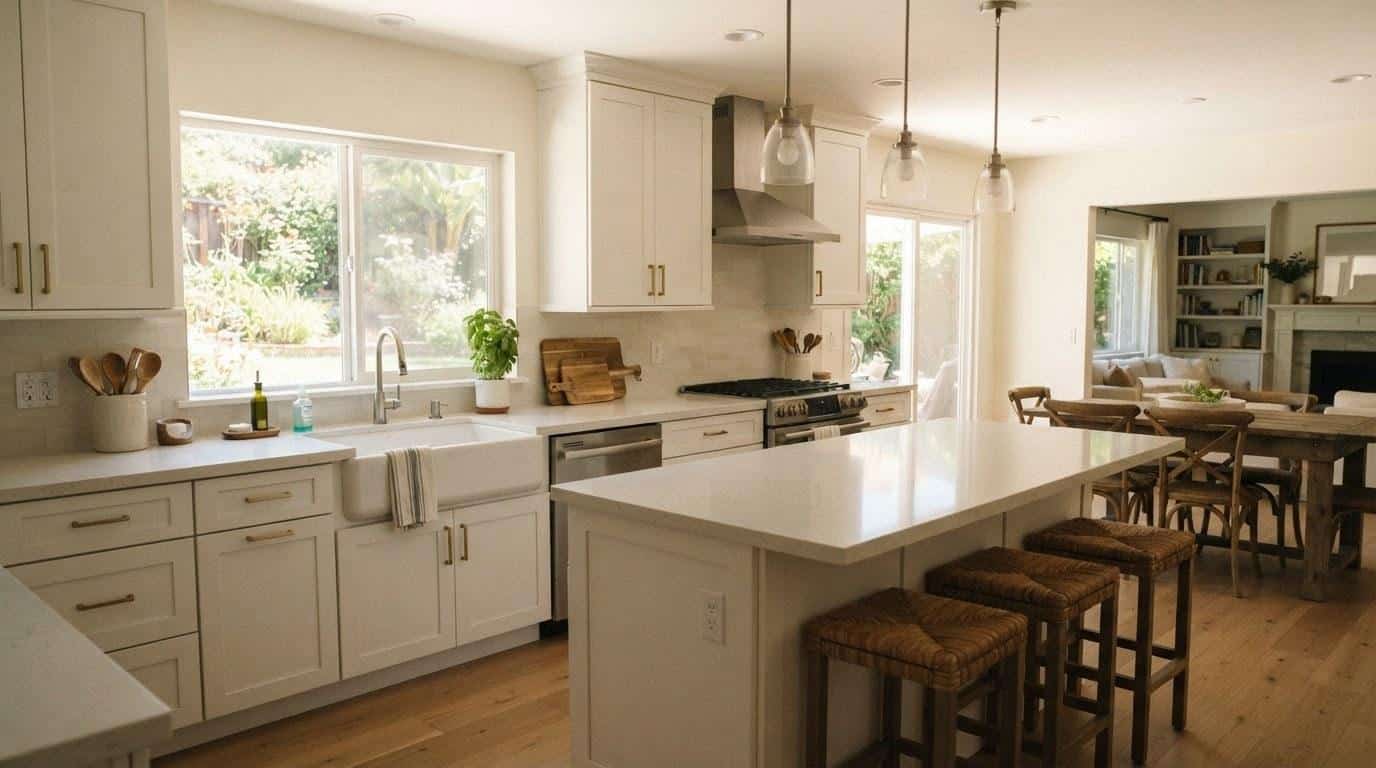
An accurate net-proceeds estimate requires four inputs: the expected sale price, your current mortgage payoff balance, your total selling costs, and any outstanding liens or property tax proration. Most experienced listing agents provide a seller’s net sheet, which is a one-page summary that walks through every deduction from the sale price to arrive at the cash you receive at closing.
Here is what to have ready before requesting a net sheet:
- Your current mortgage payoff balance (call your lender for a 30-day payoff figure)
- Any second mortgage or home equity line of credit balance
- Your property tax payment status (taxes are prorated at closing based on the closing date)
- HOA monthly dues and any outstanding special assessments
- A rough estimate of repair and staging costs from your pre-listing walkthrough
- Your purchase price and date (for capital gains calculation purposes)
The selling a home california 2026 cost picture is clearest when you work through a net sheet with your agent before you commit to a list price. A home priced $50,000 too high that sits for 60 days and then reduces will often net less than a home priced correctly from day one, even though the asking price was lower.
Online home valuation tools provide a useful starting point, but automated estimates in markets like Woodland Hills CA real estate can swing by 5% to 10% because of the wide variation in lot size, view premiums, and condition between neighboring properties. A local agent’s CMA, based on interior access and recent comparable sales, is consistently more accurate than any algorithm-based estimate.
Ready to Sell This Fall? Get a Custom Valuation in Calabasas
Selling a home california 2026 cost depends entirely on your specific property, your equity position, and the pricing strategy you choose. The market averages in this guide give you a solid framework, but your actual net proceeds will differ based on your home’s condition, your mortgage balance, and how aggressively you prepare before listing.
Realtor David works with sellers across Los Angeles County and the San Fernando Valley, including the Woodland Hills CA market and surrounding communities. The process starts with a no-obligation home valuation and a seller’s net sheet so you know exactly where you stand before you commit to anything.
Call (818) 421-2170 to schedule your valuation and get a custom cost estimate based on your home, your timeline, and the current fall market conditions.
Frequently Asked Questions
How much does it cost to sell a home in California in 2026?
Selling a home in California in 2026 typically costs between 8% and 10% of the final sale price. The biggest expenses are the real estate commission, which ranges from 4% to 6%, and title and escrow fees, which add another 1% to 2%. Pre-sale repairs, staging, and transfer taxes account for the rest. On a $900,000 home, total selling costs generally fall between $72,000 and $90,000.
Is fall a good time to sell a home in the Los Angeles area?
Fall is one of the strongest selling windows in Los Angeles County. Buyer activity stays active through October and into early November before slowing for the holidays. Sellers who list in late September or early October can realistically close before Thanksgiving if the home is priced correctly and prepared well. Inventory also tends to drop in fall, which reduces competition from other sellers.
How long does escrow take when selling a home in California?
California residential escrows typically take 30 to 45 days from accepted offer to close. The full process from the first agent consultation to closing usually runs 60 to 90 days when you include 2 to 4 weeks of pre-listing preparation. Delays most often come from slow HOA document delivery, appraisal scheduling, or unresolved inspection items.
Do I have to pay capital gains tax when I sell my home in California?
You may owe capital gains tax if your profit exceeds the IRS Section 121 exclusion, which is $250,000 for single filers and $500,000 for married couples filing jointly. You must have lived in the home as your primary residence for at least 2 of the past 5 years to qualify. California taxes any gain above the exclusion as ordinary income, with rates up to 13.3% for high earners. A tax advisor can give you a precise estimate based on your purchase price and expected sale price.
What is the best way to price my home for a fall sale in the San Fernando Valley?
Start with a comparative market analysis that uses sales from the past 90 days, not the past six months, because the market shifts seasonally. Your agent should calculate the absorption rate for your specific property type and price range to determine whether you are in a buyer's or seller's market. In most fall markets with less than 3 months of inventory, pricing within 1% to 2% of the CMA median produces the fastest sale at the strongest net price. Realtor David can provide a detailed CMA and seller's net sheet by calling (818) 421-2170.