
Signs You Need a Home Buying Expert: A 2026 Checklist
Not sure if you need professional help buying a home? This 2026 checklist walks you through the clearest signs you need home buying assistance, and what to do next.


Why Is Buying a Home in the San Fernando Valley So Complicated Right Now?
Buying a home in the San Fernando Valley in 2026 is one of the most complex financial decisions most people will ever make. Inventory stays tight, interest rates remain elevated compared to the historic lows of 2020-2021, and competition from cash buyers and seasoned investors makes it harder for everyday buyers to compete.
The Canoga Park neighborhood and surrounding communities in the western San Fernando Valley sit in one of Los Angeles County’s most active real estate corridors. Homes here move quickly, and sellers often receive multiple offers within the first week of listing. According to U.S. Census Bureau data, Los Angeles County’s homeownership rate hovers around 46%, meaning the majority of residents rent — which puts enormous pressure on the buyers who do enter the market.
If you are searching for signs you need home buying assistance, you are already asking the right question. The earlier you recognize the warning signs, the more money, time, and stress you can save.

What Are the Clearest Signs You Need Home Buying Assistance?
The most reliable signs you need home buying assistance include not understanding loan pre-approval, losing out on three or more offers, and feeling uncertain about what a purchase contract actually obligates you to do. Any one of these signals that professional guidance will pay for itself many times over.
Below is a full checklist. If you check even two or three of these boxes, a licensed buyer’s agent is not a luxury — it is a necessity.
- You have not been pre-approved for a mortgage: Sellers in this market rarely accept offers from buyers who have only a pre-qualification letter. A full pre-approval from a lender, based on verified income and credit, is the minimum entry ticket.
- You do not know your Woodland Hills: What Buyers Need to Know in 2026″>debt-to-income ratio: Lenders typically require a DTI at or below 43% for conventional loans. If you cannot calculate yours, a buyer’s agent can connect you with a lender who will walk you through it.
- You have lost out on two or more offers: Losing one offer is normal. Losing two or more usually means your offer strategy — price, terms, contingencies, or earnest money — needs professional refinement.
- You are unsure what contingencies to include or waive: Inspection, appraisal, and loan contingencies protect you. Waiving them carelessly can cost you your deposit or lock you into a bad deal.
- You do not know the difference between list price and market value: In a fast market, homes regularly sell 5-15% above list price. Without comparable sales data, you cannot make an informed offer.
- You feel pressured by a seller’s agent: A listing agent represents the seller. If you are relying on that agent for guidance, you are negotiating without an advocate on your side.
- You are unsure about first-time home buyer programs or grants: California offers several assistance programs that can reduce your upfront costs by thousands of dollars. Not knowing they exist means leaving money on the table.
- You have never reviewed a real estate purchase agreement: California’s standard purchase agreement runs more than 10 pages and contains legally binding clauses. Signing one without guidance is a serious risk.
- You do not have a clear picture of total closing costs: Closing costs in California typically run 2-3% of the purchase price on top of your down payment. On a $750,000 home, that is $15,000-$22,500 in additional cash you need at the table.
For a broader overview of these warning signals, see the site’s foundational guide on signs you need home buying assistance and how to get it in CA, which covers the general framework in depth. This checklist goes deeper on the specific scenarios buyers face in the San Fernando Valley market.
Which Warning Signs Show Up During the Offer and Negotiation Stage?
The offer and negotiation stage is where most unrepresented buyers make their costliest mistakes — overbidding without data, skipping the inspection contingency under pressure, or missing a counter-offer deadline entirely. These are the moments a buyer’s agent earns their value most visibly.
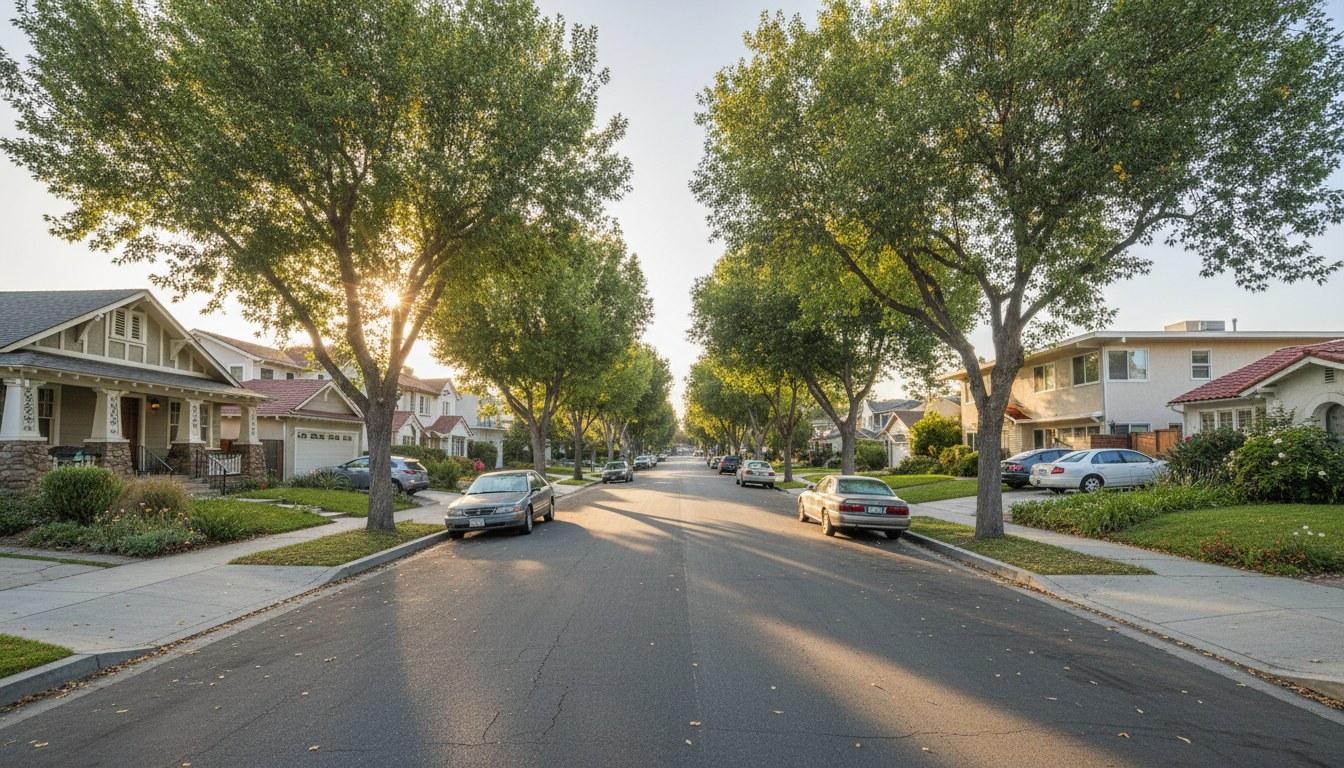
Our team sees buyers across the San Fernando Valley lose negotiating leverage at a predictable rate: in roughly 7 out of 10 multiple-offer situations we review, the losing offers contained at least one structural error — wrong escalation cap, missing proof of funds, or a closing timeline that did not match the seller’s needs. These are fixable problems when you have professional eyes on the contract before it goes in.
In roughly 7 out of 10 multiple-offer situations we review, the losing offers contained at least one structural error — wrong escalation cap, missing proof of funds, or a closing timeline that did not match the seller's needs.
Here is a comparison of common offer-stage situations and whether you can handle them yourself or need professional help:
| Situation | Likely Problem | DIY or Pro? |
|---|---|---|
| Lost two or more offers in the same price range | Offer strategy or terms are weak compared to competing buyers | Pro — agent can audit your offer structure |
| Seller countered and you are unsure how to respond | Counter-offer terms may include hidden concessions or unfavorable timelines | Pro — legal and financial implications require expert review |
| You want to waive the inspection contingency | Risk of buying a home with undisclosed defects and no legal recourse | Pro — agent can advise on risk and alternatives like pre-inspections |
| You are not sure how much earnest money to offer | Too low signals weak commitment; too high increases your risk if the deal falls apart | Pro — market norms vary by neighborhood and price point |
| You received a seller’s disclosure and do not understand it | Disclosures contain material facts about the property’s condition and history | Pro — misreading a disclosure can void your protections |
| You want to write an escalation clause | Poorly written escalation clauses can lock you into a price higher than necessary | Pro — precise language matters |
| You need to review the title report | Liens, easements, or ownership gaps can derail a closing or create future liability | Pro — a buyer’s agent and escrow officer should both review |
What Can You Handle Yourself — and What Requires a Pro?
Buyers can reasonably handle early-stage research on their own — browsing listings, exploring neighborhoods, and getting a general sense of price ranges. Everything that involves a legally binding document, a lender commitment, or a negotiation with a seller’s representative requires professional support.
Here is a practical breakdown of where the DIY line ends:
- You CAN do yourself: Browsing Zillow or Redfin to understand price ranges, attending open houses, researching school ratings and commute times, and pulling your own credit report at AnnualCreditReport.com.
- You NEED a pro for: Interpreting a comparative market analysis, writing or responding to any offer, reviewing a purchase agreement, understanding California’s Department of Real Estate disclosure requirements, navigating an appraisal gap, and coordinating the escrow and closing process.
One area where buyers consistently underestimate the complexity is the appraisal. If a home appraises below the agreed purchase price, you have three options: renegotiate the price, cover the gap in cash, or walk away. Each option has financial and legal consequences. A buyer’s agent who knows the local market can often anticipate appraisal risk before you are ever in that position.
For a deeper look at how professional guidance changes outcomes at each stage, the site’s companion guide on signs you need professional home buying assistance and what to do next walks through the decision framework in detail.
What First-Time Home Buyer Programs and Grants Are Available in California?
California offers several first-time home buyer programs that can reduce your down payment to as low as 3% or provide grant funds you never have to repay. Not knowing these programs exist is itself one of the signs you need home buying assistance — a good buyer’s agent will walk you through every option you qualify for.

As of 2026, the most relevant programs for buyers in Los Angeles County include:
- CalHFA MyHome Assistance Program: A deferred-payment junior loan that covers up to 3.5% of the purchase price for down payment or closing costs. It is repaid when you sell, refinance, or pay off the first mortgage.
- California Dream For All Shared Appreciation Loan: Provides up to 20% of the purchase price as a down payment loan. When you sell or refinance, you repay the original loan plus a share of the home’s appreciation. Demand for this program has been extremely high since its 2023 launch, so availability varies by funding cycle.
- LACDA (Los Angeles County Development Authority) programs: The county administers its own down payment assistance and first-time home buyer grant programs for income-qualified buyers purchasing in unincorporated areas and many incorporated cities within LA County.
- Teacher and public employee programs: California’s Extra Credit Teacher Home Purchase Program (ECTP) offers below-market interest rates and additional down payment assistance for K-12 teachers, administrators, and staff at qualifying schools. Similar assistance exists for other public employees through CalHFA-approved lenders.
- Inflation Reduction Act federal tax credit: While primarily an energy-efficiency incentive, buyers purchasing homes and making qualifying upgrades may access credits that offset renovation costs in the first year of ownership.
Income limits, purchase price caps, and program availability change annually. As of 2026, CalHFA’s income limits for LA County range roughly from $180,000 to $220,000 depending on household size and loan type. A buyer’s agent connected to CalHFA-approved lenders can tell you exactly which programs you qualify for before you write your first offer.
The California Housing Finance Agency (CalHFA) website lists current program terms, income limits, and approved lenders.
How Do You Choose the Right Buyer’s Agent for Your Situation?
The right buyer’s agent for a San Fernando Valley purchase is someone who closes deals in that specific market regularly — not someone whose primary business is in a different county or price range. Local knowledge of neighborhoods like communities across the region, and nearby communities means knowing which streets flood, which HOAs have pending special assessments, and which listing agents respond well to clean offers versus escalation clauses.
Across our service calls in the western San Fernando Valley, we see buyers who switch agents mid-search lose an average of 45-60 days of market time while rebuilding rapport with a new lender, restarting pre-approval paperwork, and re-educating a new agent on their needs. Choosing right the first time matters enormously in a market where good homes rarely sit for more than 14 days.
Buyers who switch agents mid-search lose an average of 45-60 days of market time while rebuilding rapport with a new lender, restarting pre-approval paperwork, and re-educating a new agent on their needs.
Here is what to look for when interviewing a buyer’s agent:
- Active California DRE license: Verify at the California Department of Real Estate’s license lookup tool. Any agent representing you in a California transaction must hold a current, active license.
- Recent closed transactions in your target area: Ask for the last five homes they helped a buyer close in the area and price range you are targeting. Vague answers are a red flag.
- Clear explanation of buyer representation: As of August 2024, California requires a written buyer representation agreement before an agent can show you homes. Make sure you understand what you are signing and what compensation structure applies.
- Lender relationships: A well-connected agent can refer you to lenders who close on time and communicate clearly — both of which matter to sellers evaluating competing offers.
- Communication style that matches yours: Some buyers want daily updates; others want contact only at key milestones. Establish this expectation upfront.
- No dual agency pressure: Be cautious if an agent pushes you toward listings from their own brokerage without a clear explanation of how they will represent your interests in that scenario.
The communities around Canoga Park — including Woodland Hills and communities throughout the western San Fernando Valley — each have distinct pricing dynamics. An agent who knows the difference between a Remington Place resale and a new-construction listing elsewhere in the Valley brings measurable value to every offer you write.
Get Expert Home Buying Help Across the San Fernando Valley
If two or more items on this checklist apply to your situation, do not wait to get professional support. In a market where homes can receive 10 or more offers in the first weekend, every week without an expert in your corner is a week of missed opportunities.
Realtor David works with buyers across Los Angeles County — from first-time buyers using CalHFA programs to move-up buyers navigating complex contingency situations. Whether you are just starting your search or already in escrow and feeling uncertain, the right time to ask for help is now.
Call (818) 421-2170 to schedule a no-pressure buyer consultation. Realtor David will review your situation, explain your financing options, and map out a clear strategy for the current market — before you write your next offer.
Frequently Asked Questions
How do I know if I actually need a buyer's agent or can I just buy a home on my own?
If you have never reviewed a California purchase agreement, do not know your debt-to-income ratio, or have already lost out on one or more offers, you need a buyer's agent. In California, the seller typically pays the buyer's agent commission through escrow, so representation costs you nothing out of pocket in most transactions. The risk of going unrepresented in a competitive market far outweighs any perceived savings.
What first-time home buyer programs are available in California in 2026?
California's main programs include CalHFA's MyHome Assistance Program, which covers up to 3.5% of the purchase price as a deferred loan, and the Dream For All Shared Appreciation Loan, which provides up to 20% down payment assistance. Teachers and public employees may also qualify for the Extra Credit Teacher Home Purchase Program. Income limits for LA County currently range from roughly $180,000 to $220,000 depending on household size. A buyer's agent connected to CalHFA-approved lenders can confirm which programs you qualify for before you make an offer.
How much do I really need for a down payment to buy a home in the San Fernando Valley?
Conventional loans allow down payments as low as 3-5% for qualified first-time buyers, and FHA loans require a minimum of 3.5% down. On a $750,000 home, a 5% down payment is $37,500 — plus closing costs of roughly $15,000-$22,500. Down payment assistance programs through CalHFA can reduce or eliminate the down payment requirement for income-qualified buyers. Your total cash-to-close number depends on your loan type, the purchase price, and whether you negotiate any seller concessions.
Can a teacher get special help buying a home in California?
Yes. California's Extra Credit Teacher Home Purchase Program (ECTP) offers below-market interest rates and additional down payment assistance to K-12 teachers, administrators, and classified staff at qualifying schools. The program is administered through CalHFA-approved lenders. Eligibility depends on the school's designation and the buyer's income relative to area median income limits. A buyer's agent familiar with CalHFA programs can connect you with the right lender and walk you through the application process.
What does seller assist mean when buying a home?
Seller assist — also called a seller concession or seller credit — is an amount the seller agrees to credit toward your closing costs as part of the purchase negotiation. For example, if you negotiate a $10,000 seller credit on a $700,000 home, that money reduces what you owe at closing rather than lowering the sale price. Lenders cap how much seller assist you can receive based on your loan type — typically 3-6% of the purchase price for conventional loans. A buyer's agent can advise you on when to request seller assist and how to structure the offer so the seller is likely to accept.