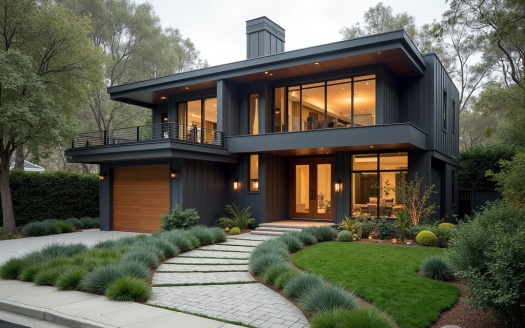
Single-Family Home Prices by Woodland Hills Neighborhood
How Woodland Hills Single-Family Homes Differ from Condos and Townhomes
Before diving into neighborhood pricing, understanding what makes single-family homes in Woodland Hills distinct from condos and townhomes matters for buyers making one of the largest financial decisions of their lives. Single-family homes in Woodland Hills average $1,322,500, while condos cost around $515,000—a price gap that reflects fundamental differences in ownership structure, maintenance responsibility, and long-term investment potential.
📋 In This Guide
Single-family homes offer complete autonomy over property modifications, private yards, and no shared walls or HOA-governed exterior decisions. Buyers own the land beneath the structure, typically ranging from 6,000 to 20,000+ square feet in Woodland Hills, compared to townhomes where you own the interior unit but share common areas. This ownership model provides greater privacy, control over renovations without architectural committee approval, and historically stronger appreciation rates—though it comes with sole responsibility for roof replacement, foundation repairs, landscaping, and all exterior maintenance that HOAs handle for multi-unit properties.
When to Buy Single-Family Homes in Woodland Hills: Seasonal Market Timing
August to December is typically the best time to buy a house in Woodland Hills, when supply is relatively higher and demand moderates. This seasonal pattern creates strategic opportunities for buyers who understand market cycles. February to July is typically the best time to sell a house in Woodland Hills, when demand is high and homes spend fewer days on the market.
The timing advantage works both ways. Buyers entering the market in late summer through fall often face less competition, more negotiating leverage, and sellers motivated to close before year-end. Meanwhile, Woodland Hills home prices were down 8.0% compared to last year, selling for a median price of $1.1M, creating a window for value-conscious purchasers. Homes currently sell after 70 days on the market compared to 65 days last year, indicating a slight cooling that favors buyers willing to act decisively.
Understanding this cyclical pattern helps buyers time their purchase to maximize negotiating power while sellers can plan listing strategies around peak demand periods. A Calabasas best realtor with local market expertise can identify micro-timing opportunities within these broader seasonal trends, particularly in premium neighborhoods where inventory fluctuates dramatically.
Woodland Hills Neighborhood Price Breakdown for 2026
Woodland Hills contains distinct micro-markets where single-family home prices vary by $1.5 million or more depending on location, school zones, and topography. The median sale price per square foot in Woodland Hills is $573, down 5.3% since last year, but this citywide average masks significant neighborhood-level variation that determines what buyers actually pay.
South of Ventura Boulevard: Family-Oriented Flats
South of Ventura Blvd: flat lots, excellent schools, family-oriented ($1.1M-$2.2M). This premium positioning reflects proximity to top-rated schools including El Camino Real Charter High School, flat terrain ideal for families with young children, and walkability to Ventura Boulevard’s restaurants and retail. Homes here typically feature 2,000–3,500 square feet on 7,000–10,000 square foot lots, with three to five bedrooms and traditional ranch or Mediterranean architecture from the 1960s-1980s.
Westchester County Estates and Hillside Properties
Westchester Hills: hillside view homes, modern architecture ($1.4M-$3.2M). These gated and non-gated hillside communities command substantial premiums for panoramic city and mountain views, contemporary designs, and larger lots averaging 12,000–20,000+ square feet. Properties often feature infinity pools, floor-to-ceiling windows, and architectural elements not found in flatland homes. The elevation and privacy drive prices 30-40% above comparable square footage in valley locations.
Warner Center Adjacent Urban Core
Warner Center Adjacent: urban, walkable, condos/townhomes ($520K-$950K). While this area contains fewer traditional single-family homes, smaller detached properties and newer construction offer entry points for buyers seeking urban convenience near employment centers. The trade-off involves smaller lot sizes (typically under 5,000 square feet), higher density, and limited outdoor space.
El Camino Real Corridor and Established Neighborhoods
El Camino Real Corridor: traditional Ranch-style, established ($875K-$1.4M). These mid-century homes represent Woodland Hills’ original development, featuring classic California ranch architecture, mature landscaping, and lots ranging from 6,500 to 9,000 square feet. Many properties offer renovation opportunities, where buyers can purchase below-market and add value through strategic updates to kitchens, bathrooms, and outdoor spaces.
Walnut Acres and Woodlake Estates
Woodlake Estates: larger lots, custom homes ($1.3M-$2.4M). These established custom home communities feature distinctive architecture, expansive lots often exceeding 15,000 square feet, and mature oak trees providing privacy and character. Properties typically include pools, guest houses, and luxury finishes that appeal to move-up buyers seeking distinctive homes rather than production tract designs.
Hidden Hills Adjacent Estate Properties
Hidden Hills Adjacent: estate properties, privacy, land ($2.2M-$5.5M+). The most exclusive single-family properties border Hidden Hills and offer acreage, equestrian facilities, long gated driveways, and celebrity-level privacy. These represent Woodland Hills’ luxury tier, where homes exceed 4,000 square feet and lots range from one to five acres.
| Neighborhood | Price Range | Typical Lot Size | Key Features |
|---|---|---|---|
| South of Ventura Blvd | $1.1M–$2.2M | 7,000–10,000 sq ft | Top schools, flat lots, walkable |
| Westchester Hills | $1.4M–$3.2M | 12,000–20,000+ sq ft | Views, modern design, gated |
| El Camino Real Corridor | $875K–$1.4M | 6,500–9,000 sq ft | Ranch-style, established, renovation potential |
| Woodlake Estates | $1.3M–$2.4M | 15,000+ sq ft | Custom homes, pools, mature trees |
| Hidden Hills Adjacent | $2.2M–$5.5M+ | 1–5 acres | Estate properties, equestrian, privacy |
School District Impact on Single-Family Home Pricing
School zone boundaries drive meaningful price premiums in Woodland Hills. Homes within El Camino Real and Hale attendance zones typically sell 6-9% faster at higher prices per square foot. This premium translates to approximately $60,000–$150,000 on median-priced homes, making school boundaries one of the single largest non-physical factors affecting property values.
Families prioritizing education access should request boundary maps before submitting offers, as streets within the same neighborhood may feed to different schools. Properties within walking distance to highly-rated elementary schools command additional premiums of 3-5% over identical homes requiring bus transportation or longer commutes. For buyers without school-age children, purchasing just outside premium zones offers value opportunities, particularly if school priorities may change during ownership.
The Las Virgenes Unified School District serves portions of Woodland Hills near Calabasas, providing access to some of California’s highest-performing public schools. Homes within this district boundary typically start at $1.4 million, reflecting the school quality premium that drives family buyer competition.
Property Tax Implications for Woodland Hills Home Buyers
Property tax in Los Angeles County averages $5,332 annually, with a median effective rate of 1.21%. Your actual bill depends on when you bought your home, where it’s located, and which exemptions you claim. For a $1.3 million single-family home in Woodland Hills, buyers should budget approximately $15,730 annually in property taxes, or about $1,311 monthly.
California sets a base property tax rate of 1% of assessed value. LA County then adds voter-approved bonds, parcel taxes, and special assessments that vary by location. Total rates typically range from 1.21% to 1.45%. Specific Woodland Hills neighborhoods may include Mello-Roos districts or community facilities district fees that add $800–$2,500 annually to baseline property taxes, particularly in newer developments or areas with recently-approved school bonds.
California’s Proposition 13 caps annual property tax increases at 2% for existing owners, meaning the seller’s current tax bill rarely reflects what new buyers will pay. Your property tax resets to your purchase price at closing, creating permanent tax implications based on when you enter the market. Buyers purchasing in 2026 lock in higher assessed values than those who bought in 2023-2024, illustrating why timing decisions carry 30-year financial consequences.
Price Per Square Foot Analysis Across Woodland Hills
While the median sale price per square foot in Woodland Hills is $573, this metric varies dramatically by neighborhood, age, condition, and lot size. Newer construction south of Ventura Boulevard commands $650–$750 per square foot, while dated ranch homes in established areas may sell for $425–$525 per square foot despite similar locations.
Hillside view properties consistently achieve premium pricing of $700–$900+ per square foot, driven by scarcity, views, and buyer demographics willing to pay for distinctive settings. Conversely, homes requiring significant deferred maintenance or located on busy streets may trade at discounts of 15-20% below neighborhood medians, creating opportunities for renovation-minded buyers.
Lot size significantly impacts per-square-foot calculations. A 2,500 square foot home on a 15,000 square foot lot typically sells for higher total dollars than a 3,000 square foot home on 6,000 square feet, even if the per-square-foot price appears lower. Buyers should evaluate both metrics—total price and price per square foot—alongside lot dimensions, outdoor space quality, and expansion potential when comparing properties.
Recent Sales Data and Market Trends for 2026
The median home price in Woodland Hills, Los Angeles, CA, is $1,195,000, down 0.06% compared to last year. This relative stability follows 2022-2023 volatility driven by mortgage rate increases, indicating the market has found equilibrium around current pricing levels. Homes in Woodland Hills sell after 70 days on the market compared to 65 days last year. There were 164 homes sold in January this year, up from 163 last year.
The slight year-over-year sales volume increase combined with stable days-on-market suggests balanced conditions where neither buyers nor sellers hold overwhelming negotiating leverage. Buyer interest in Woodland Hills remains moderate. Homes are typically selling close to asking price, and while negotiations are common, extreme bidding wars are less frequent than in highly competitive markets.
This measured market environment favors informed buyers who conduct thorough due diligence, submit well-structured offers, and avoid emotional bidding. Sellers benefit from realistic pricing strategies that reflect current comps rather than 2021-2022 peak values, as overpriced listings sit while fairly-priced homes attract multiple showings and reasonable offers within 30-45 days.
Six to Twelve Month Price Predictions and Inventory Analysis
According to housing market forecasts, the market is unlikely to crash in the near future. Home prices and demand should remain strong during peak seasons, and stabilize during slower periods. The market is projected to remain steady, with sustained growth through 2026 and beyond. This stability reflects Woodland Hills’ strong employment base centered around Warner Center, limited new construction on remaining land, and sustained demand from families prioritizing school quality.
Inventory levels in Woodland Hills remain steady, with 168 homes currently on the market and 174 new listings added recently. This 5-6 month supply indicates balanced market conditions where buyers have options without overwhelming inventory that would pressure prices downward. Neighborhoods with particularly limited inventory—especially south of Ventura Boulevard and gated hillside communities—may experience modest appreciation of 2-4% annually, while areas with higher turnover could see flat to slight declines depending on mortgage rate trends.
The most significant pricing factor for the next 6-12 months remains mortgage rate direction. Rates stabilizing in the 6.5-7% range support current pricing levels, while significant increases above 7.5% could soften demand and create buyer opportunities. Conversely, rate decreases toward 6% would likely accelerate buyer activity and potentially drive prices upward 3-5% as affordability improves and competition intensifies.
Buyers planning purchases within the next year should monitor three indicators: total active inventory (sustained increases above 200 homes suggest softening), average days on market (increases above 80-90 days indicate buyer leverage), and sale-to-list price ratios (consistent sales below asking indicate negotiating opportunities). These metrics provide more reliable signals than month-to-month median price fluctuations, which can be skewed by luxury sales or seasonal patterns.
Working with Local Expertise: Real Estate Market Analysis Professionals
Navigating Woodland Hills’ diverse neighborhood pricing requires more than online data—it demands hyperlocal expertise from professionals who transact regularly in specific communities. A real estate market analysis from an agent actively selling in Woodland Hills Real Estate markets provides current comp data, off-market inventory knowledge, and insights into which neighborhoods offer the strongest value relative to your priorities.
The best realtor for your transaction understands micro-market differences between streets within the same ZIP code, recognizes when properties are priced accurately versus optimistically, and can forecast which areas will see the strongest appreciation based on upcoming developments, school boundary changes, or infrastructure improvements. This knowledge becomes particularly valuable for buyers comparing similar homes at different price points across multiple neighborhoods.
David Salmanson Realtor specializes in Woodland Hills single-family home transactions, bringing extensive experience analyzing neighborhood-specific pricing trends and helping buyers identify properties positioned for long-term value appreciation. Whether you’re comparing a Westchester Hills view home against a south-of-the-boulevard family property, or evaluating renovation potential in established El Camino Real neighborhoods, professional guidance ensures your investment aligns with both immediate needs and future financial goals. For personalized analysis of current market conditions and neighborhood-specific pricing strategies, connect with experienced professionals who can provide data-driven insights tailored to your specific situation.

David Salmanson is a dedicated Realtor known for his professionalism, strong negotiation skills, and deep understanding of the real estate market. Committed to putting his clients’ interests first, David guides buyers and sellers through every step of the process with clear communication and expert strategy. His ability to simplify complex transactions and handle challenges with confidence helps ensure smooth closings and successful outcomes, earning the trust of clients who value experience, reliability, and results.
❓ Frequently Asked Questions
How much does a single-family home cost in Woodland Hills compared to neighboring areas?
Single-family homes in Woodland Hills average $1,322,500, with neighborhoods ranging from $875K in El Camino Real corridor to $5.5M+ for Hidden Hills-adjacent estates. This positions Woodland Hills as more affordable than Calabasas (median $1.7M+) but premium compared to West Hills (median $1.04M).
What is the best time of year to buy a single-family home in Woodland Hills?
August through December typically offers the best buyer opportunities in Woodland Hills when inventory increases and competition moderates. Sellers prefer February through July when demand peaks and homes sell faster, creating strategic timing advantages depending on which side of the transaction you're on.
How do school districts affect single-family home prices in Woodland Hills?
Homes within El Camino Real and Hale Charter school attendance zones sell 6-9% faster at higher per-square-foot prices, translating to $60,000-$150,000 premiums on median-priced properties. School boundaries represent one of the largest non-physical factors driving neighborhood price differences within Woodland Hills.
Should I contact David Salmanson Realtor for Woodland Hills single-family home guidance?
David Salmanson Realtor provides specialized expertise in Woodland Hills neighborhood pricing, recent sales data, and market analysis tailored to single-family home buyers. Professional guidance helps identify value opportunities across diverse communities from flatland family neighborhoods to hillside estate properties throughout the area.
📖 More Tips for Woodland Hills
-
 First-Time Homebuyers: Complete Budget Calculator
Discover the complete cash requirement for buying your first Woodland Hills home. This comprehensive budget guide breaks down…
-
 Down Payment Help: First-Time Buyer Programs 2026
Down payment assistance isn't one-size-fits-all—programs range from forgivable grants to shared equity loans. This guide details every federal,…
-
 Why You Need a Woodland Hills Realtor When Buying a Home in 2026
The Woodland Hills housing market moves fast, with limited inventory and strong competition in neighborhoods like West Hills…
-
 HVAC Age: What Single-Family Home Buyers Must Check First
Most buyers think a working air conditioner means the HVAC system is fine—a costly misconception. Discover what single-family…