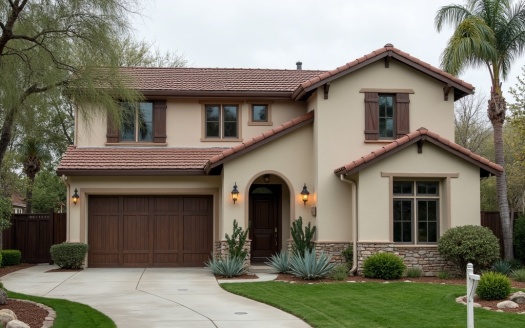
West Hills Fall Home Buying: Wait or Buy Single-Family Now?
You’re Standing in an Open House in October, Wondering If You Should Offer
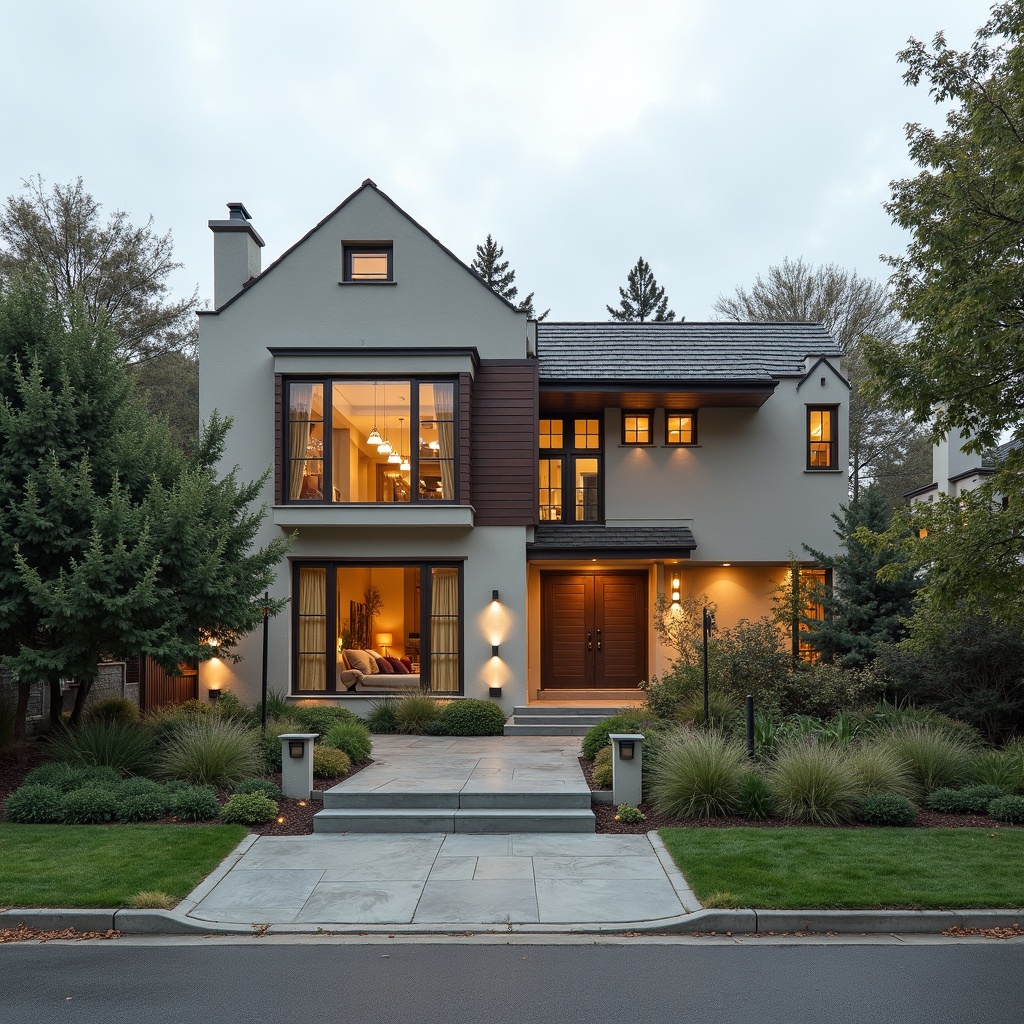
You’ve toured six single-family homes in West Hills this month, and the one you’re standing in right now feels right—quiet cul-de-sac near Topanga State Park, updated kitchen, mature oak trees shading a backyard perfect for weekend barbecues. But the listing has been active for 47 days. The seller just dropped the price $15,000. Your brother-in-law insists you’ll get a better deal in January. Your agent says inventory could tighten after Thanksgiving. You’re stuck between conflicting advice and a nagging worry that waiting could cost you this house—or save you thousands.
📋 In This Guide
This is the fall market dilemma for single-family home buyers in West Hills. September through November brings distinct shifts in both seller behavior and buyer competition. Understanding exactly how autumn market conditions differ from spring’s frenzy—and from winter’s quiet—determines whether you secure your ideal home at the right price or watch it slip away while you wait for a discount that never materializes.
Step 1: Track Current West Hills Inventory Levels Against Historical Fall Patterns
Before you make any timing decision, pull hard numbers on what’s actually available right now versus typical fall and spring inventory. In West Hills, single-family home inventory typically peaks in late spring (April through June) and contracts through autumn. According to recent monthly market reports from David Salmanson Realtor, active listings for standalone homes drop roughly 20–30% from July to November as sellers who didn’t close in summer either pull listings until spring or accept reduced offers.
Log into your local MLS portal or ask your agent for a custom report showing:
- Active single-family listings in West Hills (ZIP 91307, 91304) today vs. same week last year
- Days on market (DOM) for homes listed in September vs. homes listed in May
- Percentage of listings with price reductions in the past 60 days
- New listings added per week in October vs. April
If current inventory sits below 2-month supply and new listings are trickling in at fewer than five per week, waiting until after the holidays is a gamble. January might bring motivated sellers—or it might bring a spring rush of competing buyers who also “waited.” Conversely, if inventory exceeds 3-month supply and 40%+ of listings show price cuts, you have negotiating leverage right now that may not exist in February when pent-up demand floods back.
Why Days on Market Matters More Than List Price
A home listed at $925,000 in October that’s been active for 60 days signals a motivated seller far more reliably than a freshly listed $899,000 home in March with five competing offers. Fall gives you time to evaluate condition, request repairs, and negotiate credits without the “best and highest by Monday” pressure typical of spring. Track DOM for comparable single-family homes in neighborhoods like Woodland Valley or near West Hills Park—anything over 45 days in current market conditions suggests room to negotiate.
Step 2: Analyze Price Adjustments and Seller Motivation Through Fall
Sellers who list in September or October are often relocating for job transfers, downsizing after kids leave for college, or facing financial deadlines that don’t align with spring market timing. These aren’t distressed sales, but they are time-sensitive sales, and that creates opportunity for prepared buyers.
Review the past 90 days of closed sales data for West Hills single-family homes to identify patterns:
- Sale price as percentage of original list price: In spring markets, homes often sell at or above list. Fall markets in West Hills typically see final sale prices 2–5% below original list, especially for properties active beyond 30 days.
- Concessions: Sellers are more willing to cover closing costs, offer repair credits, or include appliances and furniture in fall transactions when buyer pools shrink.
- Contingency acceptance: Spring sellers often reject offers with home sale contingencies. Fall sellers, facing fewer competing bids, accept contingent offers they would have dismissed in May.
Work with a knowledgeable agent—such as a Calabasas best realtor familiar with West Hills micromarkets—to craft offers that leverage seller urgency without lowballing. A well-structured offer at 3% below list with a 21-day close and waived appraisal gap (if you can afford it) often outperforms a 7% lowball that insults a motivated but not desperate seller.
Case Study: Fall Price Drop Saves $22,000
A 4-bedroom, 2,100-square-foot single-family home near West Valley High School listed at $949,000 in late August received no offers. The seller reduced to $929,000 in mid-September, then $915,000 in early October. A buyer who had been watching since August submitted an offer at $905,000 with $8,000 in seller-paid closing costs in late October—accepted within 24 hours. By waiting through two price drops and timing an offer when the seller faced a November 30 relocation deadline, the buyer saved $22,000 off original list and secured $8,000 in concessions. That same home, listed in April, likely would have sold at $950,000+ with multiple offers.
Step 3: Compare Your Competition: Fewer Buyers, Less Bidding Pressure
One of fall’s biggest advantages is reduced buyer competition. Families with school-age children prefer to move during summer break. Many buyers pause their search during holiday season, assuming (often incorrectly) that no good inventory appears between Thanksgiving and New Year’s. This creates a window where serious, qualified buyers face far less competition than they would in March or April.
Quantify your competitive advantage by asking your agent:
- How many offers did similar homes receive in the past 30 days? In spring, it’s common to see 5–10 offers on well-priced West Hills single-family homes. In fall, that drops to 1–3 offers, or even single-offer scenarios.
- What percentage of fall listings receive no offers in the first two weeks? Higher percentages mean you can tour without rushing, submit thoughtful offers, and negotiate repairs after inspection.
- Are out-of-area buyers still active? Relocating buyers often maintain year-round search activity, but local move-up buyers (your primary competition) tend to pause in fall.
If you’re a first-time buyer navigating older housing stock in West Hills, fall gives you time to bring a contractor or inspector to showings before making an offer—a luxury rarely available in spring’s fast-paced environment. You can assess foundation condition, HVAC lifespan, and roof age without pressure to waive inspection contingencies just to compete.
Step 4: Run the Numbers on Waiting Until After the Holidays
The conventional wisdom—”wait until January when desperate sellers return”—contains a kernel of truth but ignores several financial realities. Yes, some sellers who pulled listings in November relist in January at reduced prices. But inventory increases in January primarily from new listings, not discounted relists. And increased inventory attracts increased buyer competition as tax refund anticipation and New Year motivation bring buyers back into the market.
Here’s the math you need to run before deciding to wait:
| Scenario | Buy in October | Wait Until January |
|---|---|---|
| Purchase price | $900,000 (after $15K price drop + negotiation) | $910,000 (spring competition returns) |
| Interest rate | Current rate locked | Potential 0.25–0.5% increase |
| Seller concessions | $8,000 closing cost credit | $0 (multiple offers) |
| Months of rent paid | 0 | 3 months × $2,800 = $8,400 |
| Equity built | 3 months of principal paydown | $0 |
Even if January prices drop slightly, you’ve paid three months of rent with zero equity accumulation, missed seller concessions available in fall, and potentially face higher interest rates (even a 0.25% increase on a $720,000 loan costs roughly $110/month, or $1,320/year). The calculus shifts if you’re confident prices will drop 5%+ or if you lack down payment funds until year-end bonuses arrive—but for most qualified buyers, waiting costs more than it saves.
When Waiting Actually Makes Sense
Waiting until after the holidays is the right move if:
- You’re waiting on a home sale contingency that won’t close until December or later
- Your employment situation is uncertain and a few months provides necessary clarity
- Current inventory genuinely lacks homes meeting your must-have criteria, and waiting for January’s new listings makes sense
- You’re monitoring a specific home that’s overpriced and likely to drop further after sitting through the holidays
In these scenarios, waiting is strategic rather than speculative. But if you’re waiting simply because you’ve heard “January is better,” you’re making an expensive assumption.
Step 5: Lock Your Decision With Current Market Intelligence
Your final step is synthesizing all the data above into a clear action plan. Schedule a consultation with an experienced local agent who can pull comparable sales (“comps”) for the exact neighborhoods you’re targeting. Request a custom market report showing:
- Median sale price for single-family homes in West Hills for September–November 2025 vs. same period 2024
- Average DOM and sale-price-to-list-price ratio by ZIP code
- Current absorption rate (how many months of inventory at current sales pace)
- Projected interest rate trends for Q4 2025 and Q1 2026
Armed with this intelligence, you can make a timing decision based on your market reality, not generic national trends that don’t reflect West Hills’ specific conditions. If data shows inventory tightening, DOM dropping, and price reductions becoming less common, that signals the fall window is closing—act now. If inventory continues rising and DOM stretches past 60 days, you have more runway to wait and watch.
One critical nuance: even in a buyer-friendly fall market, individual homes can sell quickly if priced correctly and presented well. A newly renovated 3-bedroom near Topanga State Park will attract offers within days regardless of season. Don’t lose your ideal home by overthinking market timing—when the right property appears at a fair price, decisiveness matters more than waiting for a theoretical better deal.
Working With a Market-Savvy Realtor
Fall market timing requires nuanced, neighborhood-specific expertise that generic online tools can’t provide. A Calabasas best realtor with deep West Hills experience can identify which sellers are genuinely motivated, which price drops signal distress versus strategic repositioning, and which homes will attract competing offers even in a slow season. They’ll also negotiate fall-specific concessions—like delayed closings to accommodate holiday travel or seller-paid home warranties—that spring sellers routinely reject.
If you’re evaluating whether to buy now or wait, start by requesting a no-obligation market analysis from an agent who tracks West Hills single-family home trends month by month. The data will clarify whether your fall opportunity is real or whether patience pays. Either way, you’ll make an informed decision rather than guessing based on what worked for your brother-in-law in a different city three years ago.
For personalized guidance on West Hills fall market conditions and single-family home inventory, contact David Salmanson Realtor for a confidential consultation and current market intelligence tailored to your timeline and budget.

David Salmanson is a dedicated Realtor known for his professionalism, strong negotiation skills, and deep understanding of the real estate market. Committed to putting his clients’ interests first, David guides buyers and sellers through every step of the process with clear communication and expert strategy. His ability to simplify complex transactions and handle challenges with confidence helps ensure smooth closings and successful outcomes, earning the trust of clients who value experience, reliability, and results.
❓ Frequently Asked Questions
How much lower do West Hills single-family home prices typically drop in fall compared to spring?
West Hills single-family homes listed in fall (September–November) typically sell 2–5% below original list price, compared to spring homes that often sell at or above list. Individual results vary based on condition, location, and days on market—homes active beyond 45 days show the deepest discounts and most seller concessions.
Is inventory better in fall or will I have more choices waiting until January?
West Hills single-family home inventory typically drops 20–30% from summer to fall, then rises again in January with new listings. However, January also brings increased buyer competition as families and relocators return to the market, often offsetting any pricing advantage. Fall offers fewer choices but less competition per listing.
Can I negotiate closing cost credits more easily in the fall West Hills market?
Yes. Fall sellers in West Hills facing longer days on market and fewer competing offers are significantly more willing to offer closing cost credits, repair allowances, and included appliances or furniture than spring sellers. Credits of $5,000–$10,000 are common in fall transactions for single-family homes priced under $1 million.
Should I work with David Salmanson Realtor for fall home buying in West Hills?
David Salmanson Realtor provides month-by-month West Hills market analysis, neighborhood-specific inventory reports, and expert negotiation for fall buyers seeking single-family homes. His team tracks price reductions, seller motivation signals, and off-market opportunities that optimize your fall buying strategy. Contact him for a confidential consultation on current market conditions.
📖 More Tips for West Hills
-

-
 Saratoga Hills Homes: Neighborhood Guide for Buyers Considering West Hills, CA
Saratoga Hills is one of West Hills, CA's most sought-after pockets — and buyers who understand the local…
-
 Pre-Approval Errors First-Time Buyers Make in West Hills
First-time buyers in West Hills routinely confuse pre-qualification with pre-approval, apply to lenders outside the credit-check window, and…
-
 First-Time Buyer Pitfalls: West Hills Home Guide
First-time buyers in West Hills face unique challenges in Southern California's competitive market, from Mello-Roos taxes to older…