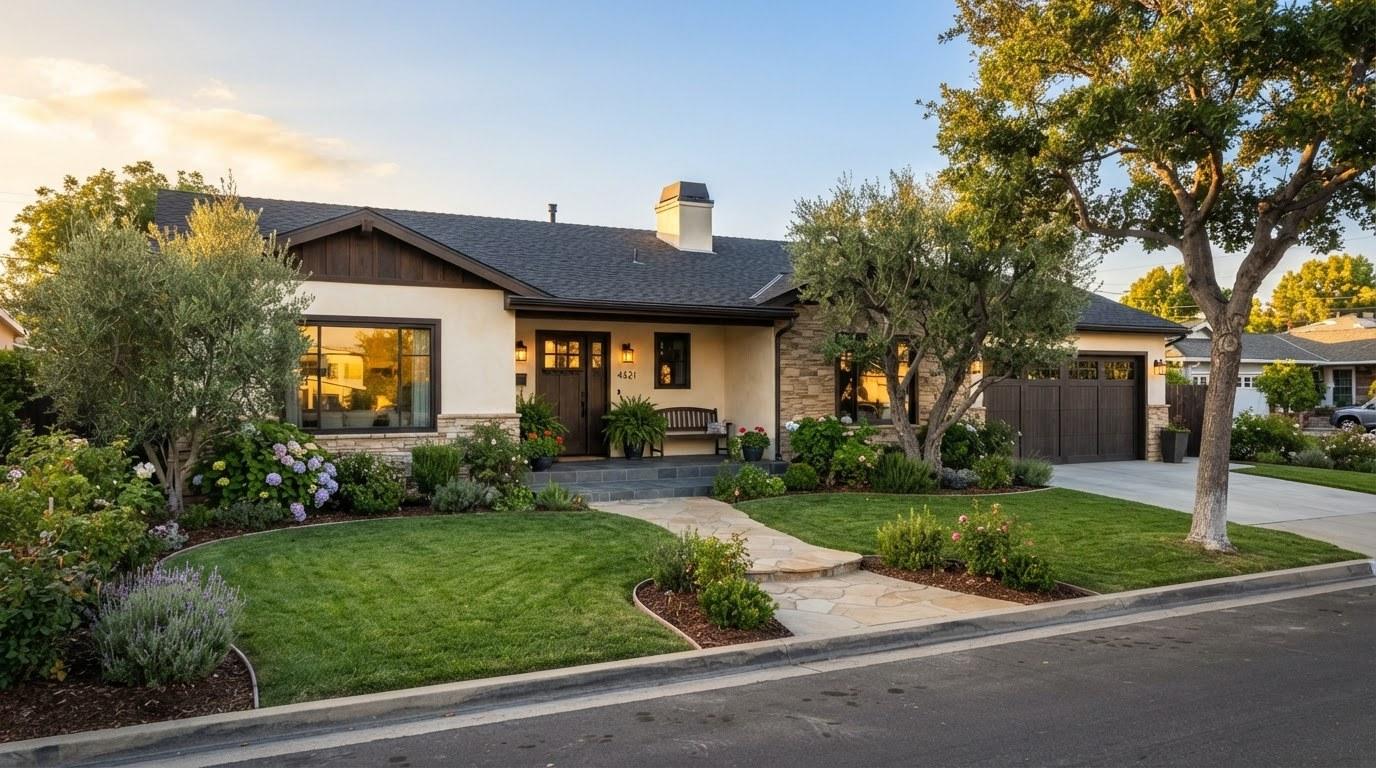
vs: A Side-by-Side Home Value Comparison for 2026
Northridge and Tarzana sit just miles apart in the San Fernando Valley, but their home values, neighborhood feel, and buyer demand tell different stories in 2026.
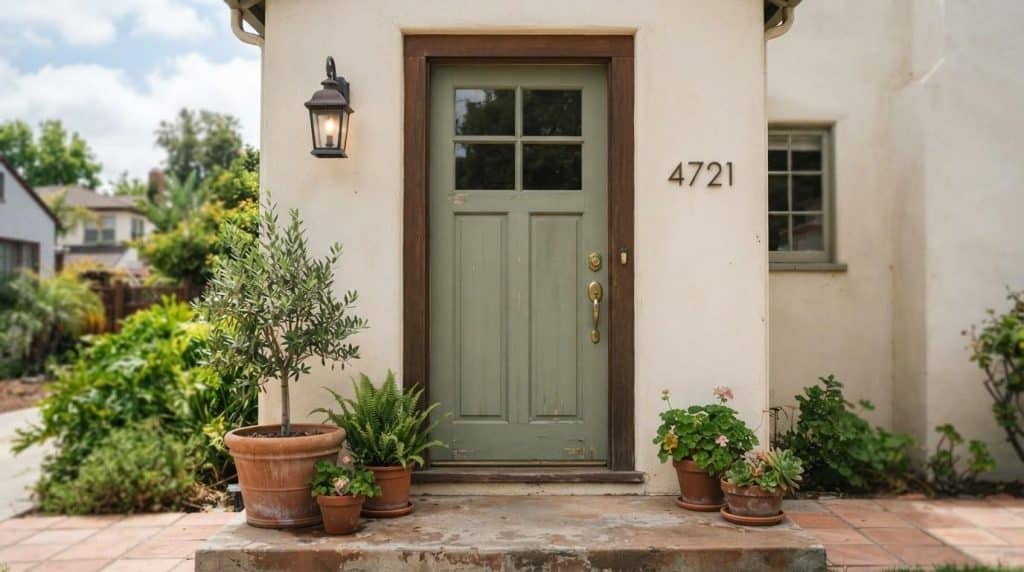
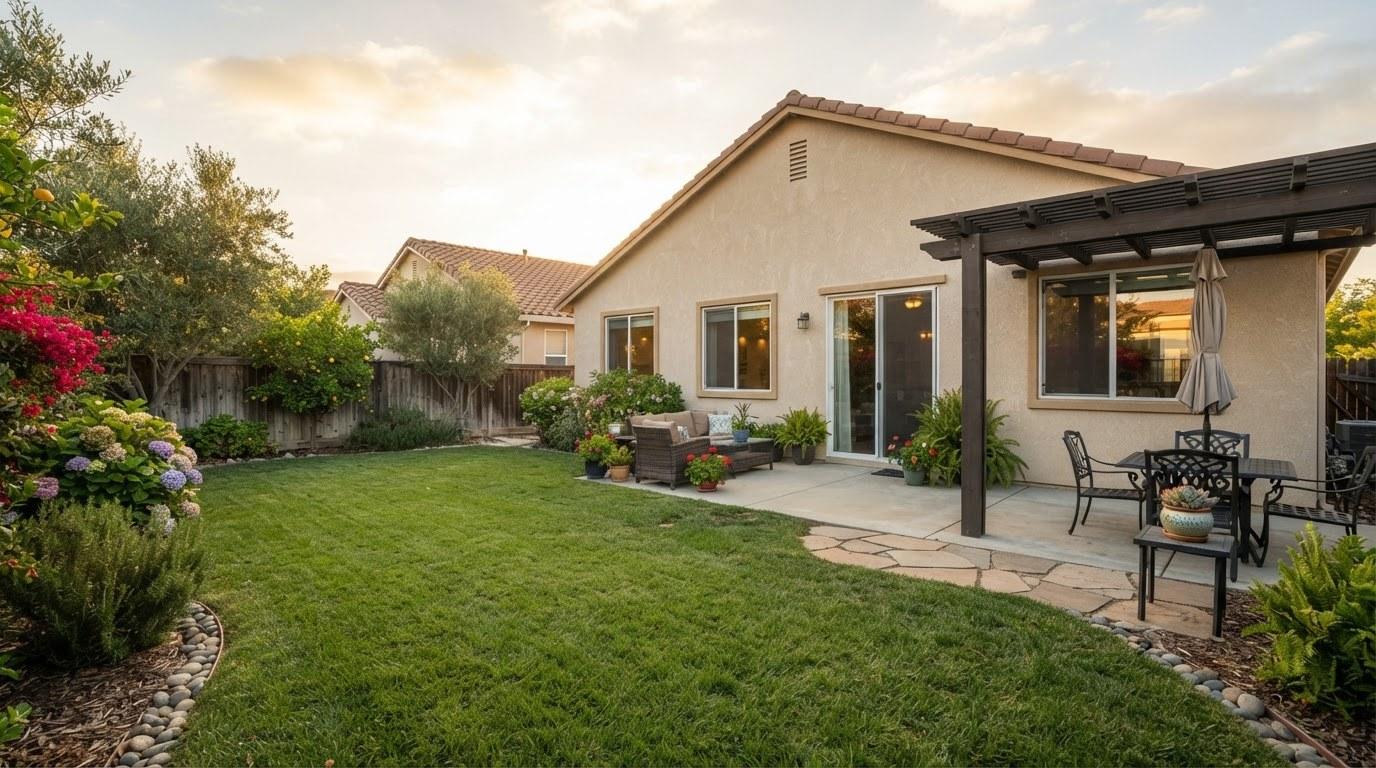
How Do communities across the region Home Values Compare in 2026?
When looking at Northridge vs home values 2026, Tarzana typically commands a higher median sale price, often ranging from roughly $950,000 to $1.3 million for single-family homes. Northridge homes tend to sell in the $750,000 to $1.05 million range, depending on the street, lot size, and condition.
That gap of roughly $150,000 to $250,000 between the two neighborhoods reflects real differences in inventory, lot premiums, and buyer demand rather than just perception. Both communities sit within Los Angeles County, share the 818 area code, and draw buyers from across the San Fernando Valley, but they serve different buyer profiles and price points.
Tarzana’s smaller geographic footprint and tighter inventory keep competition high. Northridge’s larger supply of homes and its connection to California State University, Northridge (CSUN) create a different kind of demand, one that includes faculty buyers, first-time homeowners, and investors looking for long-term rental income.
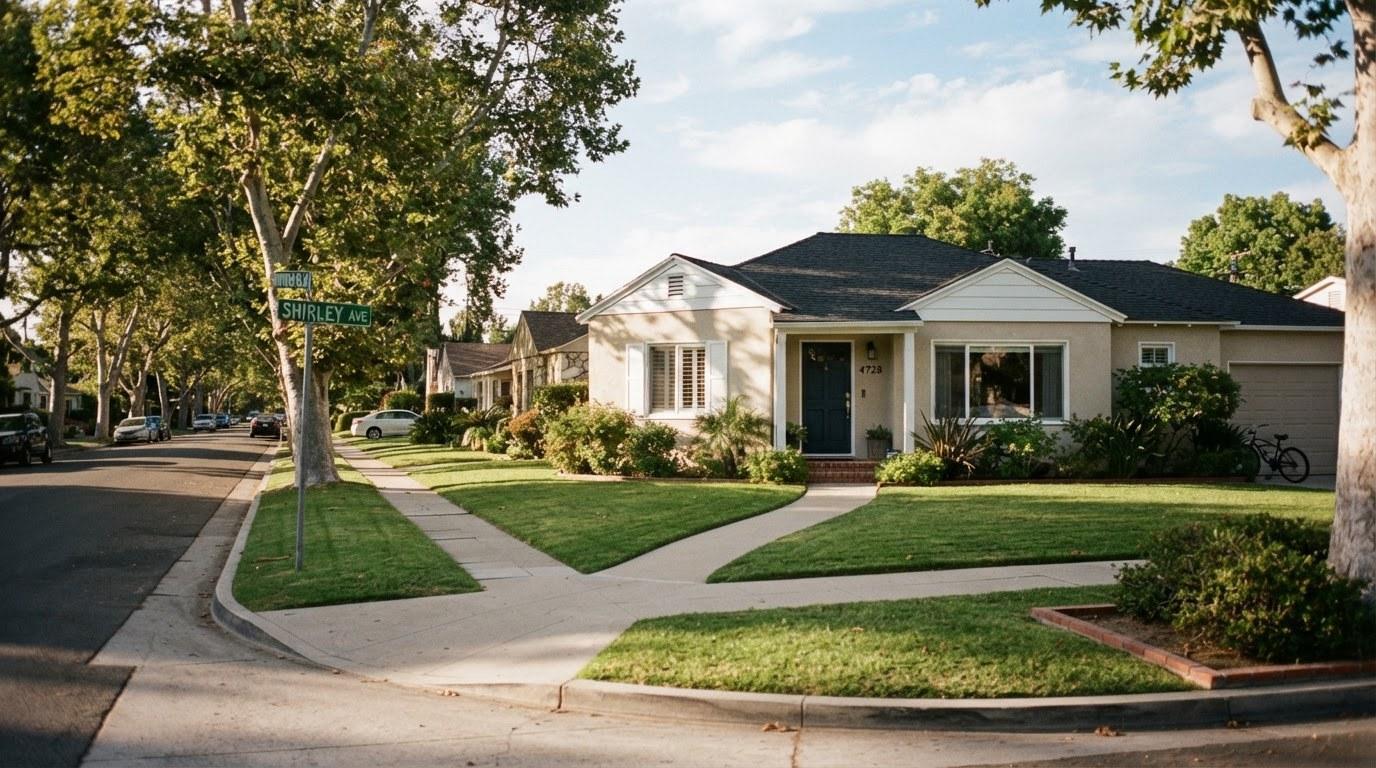
What Makes Each Neighborhood’s Housing Market Unique?
communities across the region each have a distinct identity that shapes who buys there and what they are willing to pay. Understanding those identities is the first step toward reading either market clearly.
Tarzana at a Glance
Tarzana runs along Ventura Boulevard in the southern San Fernando Valley. The neighborhood was named after Edgar Rice Burroughs, who once owned a ranch on the land. Today it attracts buyers who want walkable access to restaurants, boutique shops, and services without leaving the Valley. South of Ventura, hillside lots with canyon views push prices toward the upper end of the range.
Tarzana’s school options, including Tarzana Elementary and access to El Camino Real Charter High School, are a consistent draw for families. In our experience, listings in Tarzana that sit south of Ventura Boulevard and offer even a partial canyon view generate multiple-offer situations faster than comparable homes north of the boulevard.
Northridge at a Glance
Northridge covers a larger area in the north-central San Fernando Valley. Its housing stock is more diverse, ranging from modest post-war bungalows to updated ranch homes on generous lots. CSUN anchors the neighborhood economically and draws a steady stream of buyers who want to live close to campus.
The 1994 Northridge earthquake left a lasting mark on the area’s building stock. Many homes were retrofitted or rebuilt after that event, and buyers today benefit from a large share of properties with updated foundations and structural improvements. California’s geological survey data continues to inform retrofit requirements across the region, which affects both insurance costs and buyer confidence.
What Types of Homes Are Available in Each Area?
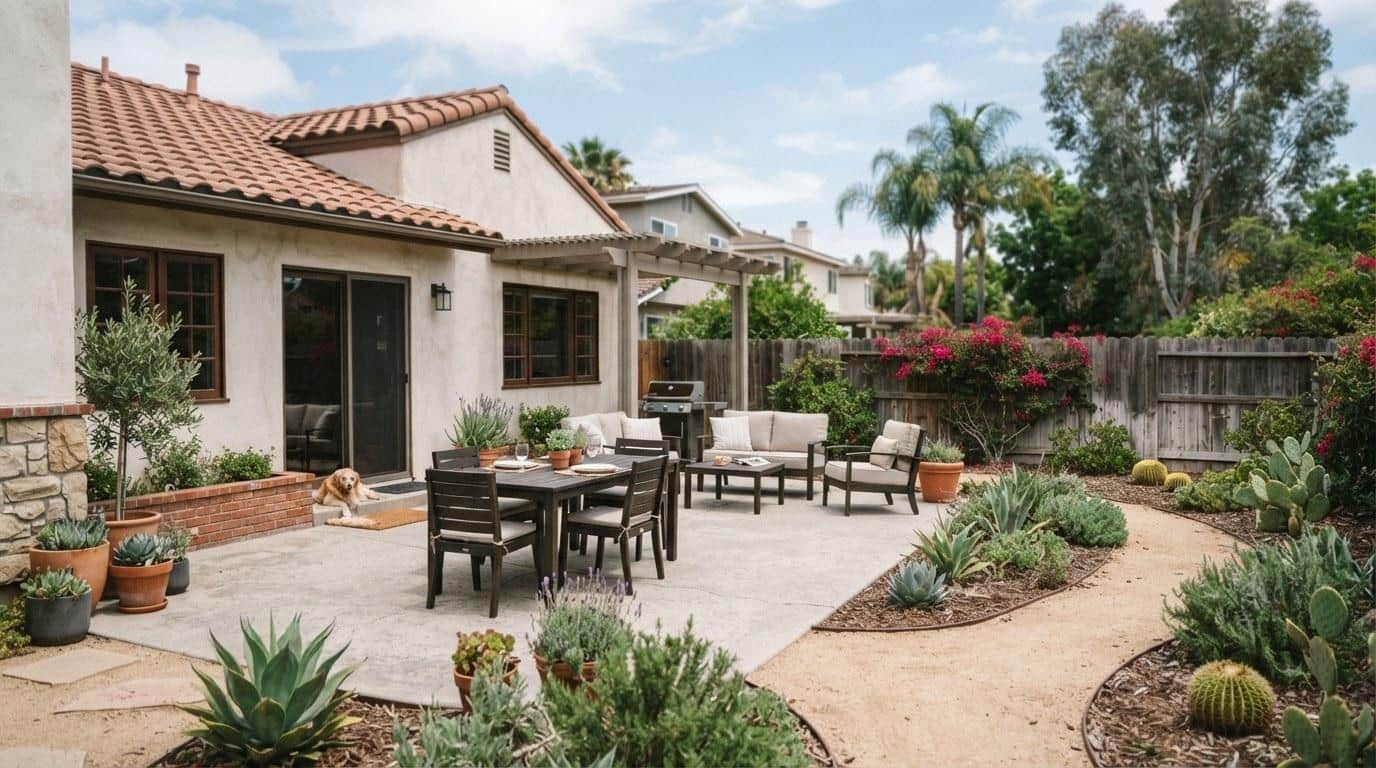
Both neighborhoods are dominated by single-family detached homes, but the mix of condos, townhomes, and lot sizes differs in ways that matter to buyers with specific needs.
| Feature | Northridge | Tarzana |
|---|---|---|
| Typical lot size (single-family) | 6,000 to 9,000 sq ft | 6,500 to 12,000 sq ft (larger south of Ventura) |
| Median home size | 1,400 to 1,900 sq ft | 1,600 to 2,400 sq ft |
| Condo and townhome inventory | Moderate, near CSUN corridor | Moderate, along Ventura Blvd corridor |
| New construction activity | Limited infill projects | Limited infill and ADU additions |
| HOA communities | Present in select condo complexes | Present in select gated and condo communities |
| Typical days on market (2025-2026) | 18 to 30 days | 14 to 25 days |
Accessory dwelling units (ADUs) have become a significant factor in both markets since California’s 2020 ADU law reforms streamlined the permitting process. California’s Department of Housing and Community Development tracks ADU permits statewide, and Los Angeles County has seen thousands of new ADUs added each year since 2021. A home with a permitted ADU in either Northridge or Tarzana can command a meaningful premium, often $50,000 to $100,000 above a comparable home without one, because the rental income potential offsets mortgage costs for buyers.
A home with a permitted ADU in either Northridge or Tarzana can command a premium of $50,000 to $100,000 above a comparable home without one.
What Factors Drive the Price Gap Between These Two Communities?
The Northridge vs home values 2026 gap comes down to five core factors: lot premiums, school district perception, proximity to commercial amenities, inventory size, and neighborhood brand recognition. Each one moves prices in a measurable way.
- Lot premiums: South Tarzana lots often back up to the Santa Monica Mountains foothills, giving them a view and privacy premium that flat Valley lots in Northridge cannot match.
- School perception: Tarzana’s access to higher-rated elementary schools and El Camino Real Charter pulls family buyers who are willing to pay more to lock in a school boundary address.
- Ventura Boulevard proximity: Walkable access to dining, fitness studios, and retail along Ventura Boulevard adds a lifestyle premium that buyers in Tarzana consistently price in.
- Inventory volume: Northridge has more homes, which means more choices for buyers and slightly less urgency to overbid. Tarzana’s tighter supply keeps competition higher.
- CSUN effect: The university creates steady rental demand in Northridge, which attracts investors but can also soften the owner-occupant premium that drives prices in purely residential neighborhoods.
Interest rates in 2026 continue to shape affordability across both markets. Federal Reserve rate data shows that even a 0.5 percent shift in the 30-year fixed mortgage rate changes monthly payments by roughly $150 to $250 on a $900,000 loan, which directly affects how many buyers can qualify in each price tier. Northridge’s lower price point means more buyers can enter that market when rates tick up, which helps support its floor even in slower periods.
Even a 0.5 percent shift in the 30-year fixed mortgage rate changes monthly payments by roughly $150 to $250 on a $900,000 loan.
Which Market Is Better for Buyers vs Sellers in 2026?
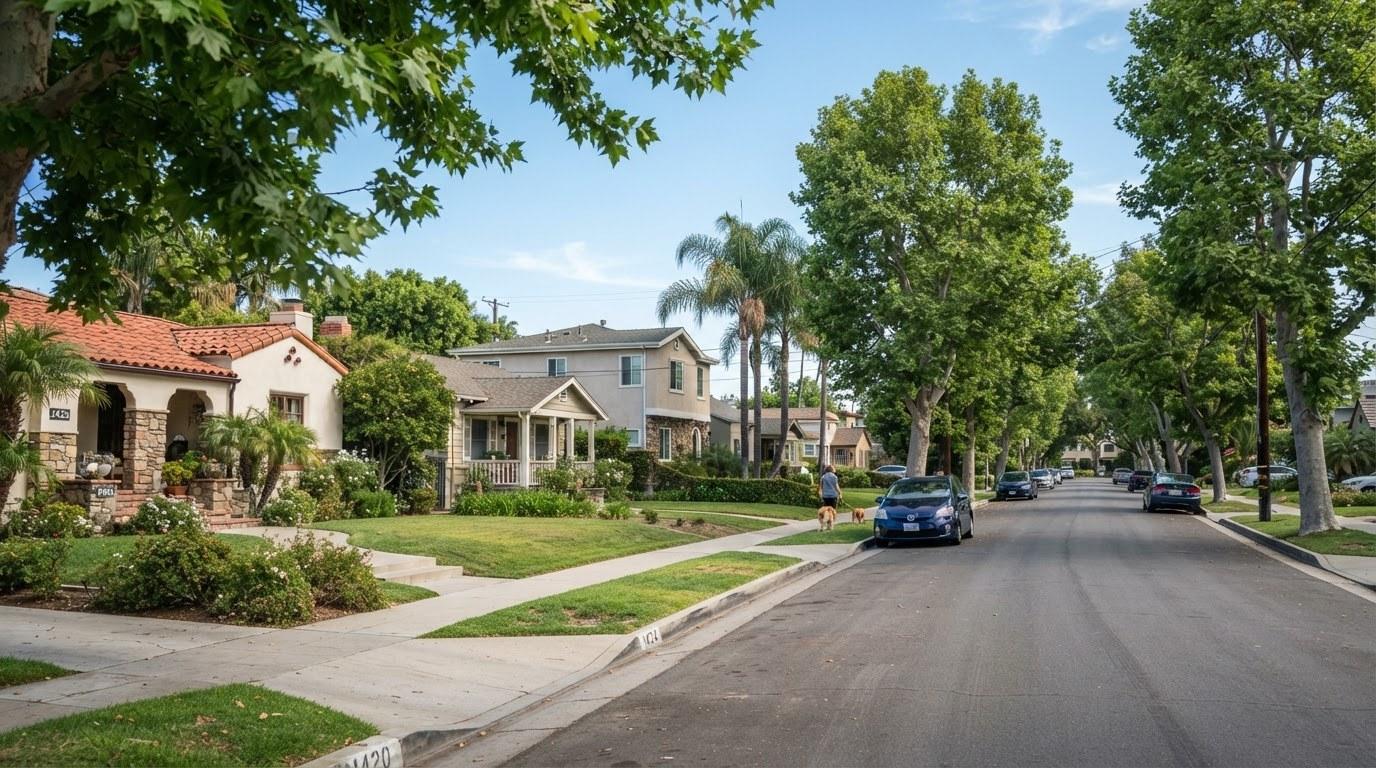
For sellers, Tarzana’s tight inventory and higher price ceiling make it a strong listing environment in 2026, especially for updated homes south of Ventura Boulevard. For buyers, Northridge offers more options at a lower entry point, making it the more accessible market for first-time purchasers and those stretching a budget.
For Sellers
Tarzana sellers with well-maintained or recently updated homes are seeing competitive offers, particularly when the property is priced accurately from day one. Overpricing in a market this size tends to backfire quickly because there are fewer comparable sales to justify a stretch price, and buyers notice when a home sits for more than 30 days.
Northridge sellers benefit from a broad buyer pool that includes CSUN-adjacent buyers, families priced out of Tarzana, and investors. Homes with ADUs or large lots tend to attract the strongest offers. Staging and curb appeal improvements consistently move the needle in this market because buyers often compare several homes before committing.
For Buyers
Buyers in Tarzana should be prepared to move within 7 to 14 days of a listing going live. Contingency-heavy offers are less competitive here. Working with a buyer’s agent who knows the micro-pockets of the neighborhood, specifically which streets hold value best and which have noise or traffic issues, makes a real difference in offer strategy.
Buyers in Northridge have slightly more negotiating room, especially on homes that have been on the market for more than 21 days. The CSUN corridor north of Nordhoff Street tends to price lower than streets closer to Reseda Boulevard or the Northridge Fashion Center area, giving budget-conscious buyers a foothold in the community.
How Does This Compare to Nearby Communities?
Zooming out to the broader San Fernando Valley and western Los Angeles County context helps buyers and sellers understand where communities across the region sit in the regional price ladder.
Communities like Woodland Hills CA and Calabasas CA generally price above both communities across the region, with Calabasas homes in gated communities such as Calabasas Hills Estates and The Oaks Calabasas often exceeding $2 million. Agoura Hills sits in a similar premium tier, drawing buyers who want more land and a quieter setting. Hidden Hills, as an entirely gated city, operates in a category of its own, with median prices well above the broader Valley market.
Remington Place and similar established Calabasas neighborhoods show how proximity to top-rated Las Virgenes schools and freeway access can sustain price premiums even in a slower rate environment. communities across the region buyers who are weighing those communities against the 818 corridor should factor in commute patterns, school boundaries, and HOA costs, which can add $300 to $800 per month in some Calabasas and Agoura Hills communities.
Here is a simplified regional price ladder as of 2026 to put the Northridge vs home values 2026 comparison in context:
- Northridge: $750,000 to $1.05 million median single-family
- Tarzana: $950,000 to $1.3 million median single-family
- Woodland Hills: $1.0 million to $1.5 million median single-family
- Agoura Hills: $1.1 million to $1.6 million median single-family
- Calabasas (general): $1.4 million to $2.2 million median single-family
- Hidden Hills: $3 million and above for most listings
These ranges reflect general market conditions and will shift based on interest rates, inventory levels, and seasonal demand. They are meant to illustrate relative positioning, not to guarantee any specific sale price.
Ready to Know What Your Home Is Worth?
Whether you own in communities across the region, or anywhere across the San Fernando Valley and western Los Angeles County, getting an accurate home valuation is the smartest first step before making any buying or selling decision. Generic online estimates often miss neighborhood-specific premiums and can be off by $50,000 or more in micro-markets like these.
Realtor David provides instant home valuation tools and personalized market analysis for homeowners and buyers across the region. Use the valuation tool on the site to get a data-driven starting point, then connect with the team for a full comparative market analysis tailored to your specific property.
Call Realtor David at (818) 421-2170 to discuss your goals, get a current market read on your neighborhood, and build a strategy that fits your timeline and price expectations. Whether you are buying, selling, or simply benchmarking your equity, a conversation with a local expert costs nothing and gives you real numbers to work with.
Frequently Asked Questions
Are homes in Tarzana more expensive than homes in Northridge right now?
Yes, Tarzana generally carries a higher median sale price than Northridge in 2026. Single-family homes in Tarzana typically range from about $950,000 to $1.3 million, while Northridge homes tend to sell between $750,000 and $1.05 million. The gap reflects tighter inventory, larger lots south of Ventura Boulevard, and stronger lifestyle amenity premiums in Tarzana.
Is Northridge a good place to buy a home if I am on a tighter budget?
Northridge offers one of the more accessible entry points in the western San Fernando Valley for buyers with a budget under $900,000. The neighborhood has a large supply of single-family homes, a steady rental market tied to CSUN, and ongoing infrastructure improvements. First-time buyers and those comparing Northridge vs home values 2026 in pricier nearby communities often find Northridge gives them more square footage and lot size for their dollar.
How long does it usually take to sell a home in Tarzana or Northridge?
In 2026, well-priced homes in Tarzana are typically going under contract in 14 to 25 days. Northridge homes tend to take a bit longer, averaging 18 to 30 days on market. Homes that are priced accurately from day one and show well tend to attract offers in the first two weekends regardless of which neighborhood they are in.
Does having an ADU on my Northridge or Tarzana property increase the sale price?
A permitted ADU can add meaningful value, often in the range of $50,000 to $100,000 above a comparable home without one, because buyers factor in the rental income potential. California's ADU-friendly permitting rules since 2020 have made these units more common and more valued by buyers across both neighborhoods. Unpermitted ADUs, however, can complicate sales and should be disclosed properly.
How do I find out what my home in Northridge or Tarzana is actually worth in today's market?
The most reliable way is a comparative market analysis from a local real estate agent who knows the micro-pockets of each neighborhood. Online automated estimates can be off by $50,000 or more in markets this specific. Realtor David offers an instant home valuation tool as a starting point and can follow up with a full analysis tailored to your property. Call (818) 421-2170 to get started.